Ayahuasca Healing in Peru: Transform Your Life Through Ancient Plant Medicine in the Sacred Valley
 By PumAdventures
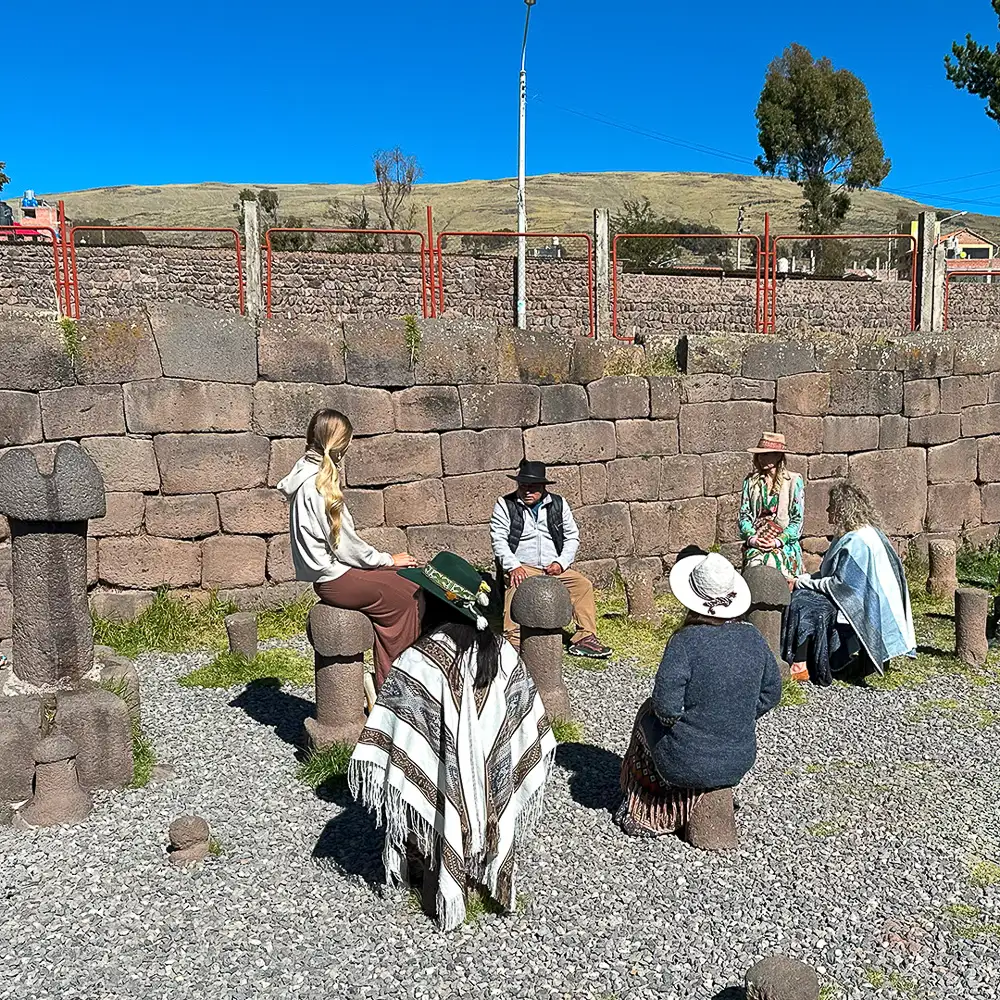
There’s something profoundly transformative about standing in the heart of the Andes, watching the mist roll through the Sacred Valley of Peru at dawn. For thousands of years, indigenous healers have recognized this land as a place of immense spiritual power—a place where ancient wisdom meets the mysteries of the human soul. Today, thousands of people from around the world journey to Peru each year seeking healing through one of humanity’s most sacred traditions: ayahuasca.
If you’re reading this, you’ve likely felt that same call. Perhaps you’re seeking relief from emotional wounds that conventional medicine couldn’t touch. Maybe you’re searching for clarity about your life’s direction, or you’re yearning to reconnect with a deeper part of yourself that modern life has buried beneath stress, anxiety, and disconnection. Whatever brings you here, know that you’re not alone. The desire to heal, to grow, and to access the profound wisdom within ourselves is one of the most fundamentally human experiences.
This complete guide to Ayahuasca Healing in Peru will help you understand what ayahuasca truly is, why it has been so revered by indigenous cultures for centuries, and how a retreat in the Peruvian Andes could be the transformational experience you’ve been seeking. More importantly, it will help you navigate this powerful medicine safely, respectfully, and with the support of experienced facilitators who understand both the ancient traditions and the modern traveler’s needs.
What is Ayahuasca? Understanding the Sacred Medicine
Ayahuasca isn’t a single substance—it’s a carefully prepared plant medicine that combines two key botanical ingredients: the ayahuasca vine (Banisteriopsis caapi) and various plants containing DMT, most commonly the leaf of Psychotria viridis. Indigenous peoples of the Amazon basin have been using this combination for at least a thousand years, and possibly much longer.
The word “ayahuasca” itself comes from the indigenous Quechua language and roughly translates to “vine of the dead” or “vine of the soul.” This name reflects the profound nature of the experience—it’s not a recreational substance, but rather a powerful tool for accessing expanded states of consciousness and connecting with deeper dimensions of reality, including what many cultures describe as ancestral wisdom and spiritual presence.
When prepared properly and used in a ceremonial setting, ayahuasca works by allowing compounds in the plant combination to affect neurotransmitter systems in the brain, particularly serotonin and DMT receptors. This physiological action opens doorways to expanded perception, vivid visions, emotional release, and profound insights about one’s life, patterns, and potential for healing.
It’s crucial to understand that authentic ayahuasca use is never casual or recreational. In traditional Amazonian and Andean settings, it’s approached as a sacred medicine—something to be deeply respected, prepared with intention, and facilitated by experienced practitioners who have spent decades studying its effects and safety protocols.
Our Ayahuasca Retreats Cusco – Peru
Ayahuasca Retreat 1 Day Cusco
Experience a traditional Ayahuasca retreat in Cusco guided by experienced shamans in a safe, respectful, and authentic environment.
Book Ayahuasca Retreat 1 Day2-Day Ayahuasca Retreat Cusco
This 2-day Ayahuasca retreat in Cusco is a carefully guided experience created for those seeking deeper healing, clarity, and spiritual connection.
Book 2-Day Ayahuasca RetreatWhy Ayahuasca Healing Works: The Science and Wisdom Behind the Medicine
The healing potential of ayahuasca operates on multiple levels simultaneously. Understanding how this works can help demystify the experience and explain why so many people report profound and lasting transformations.
The Neurochemical Perspective
Modern neuroscience has begun studying ayahuasca’s effects on the brain. Research suggests that the medicine promotes neuroplasticity—essentially, it makes the neural pathways in your brain more flexible and responsive to change. This is crucial because many of our psychological patterns, traumas, and limiting beliefs become “hardwired” into neural patterns that are extraordinarily difficult to shift through talk therapy alone.
By temporarily modifying brain chemistry, ayahuasca allows you to observe these patterns from a new perspective. Many people report that during an ayahuasca ceremony, they can literally see the origins of their anxiety, depression, or self-limiting beliefs—and this ability to see the pattern with fresh eyes is often the beginning of being able to change it.
The Emotional Release Process
Emotional trauma doesn’t just live in our minds—it becomes stored in our nervous systems and bodies. When we suppress painful emotions, they don’t disappear; they accumulate, eventually manifesting as anxiety, depression, physical illness, and relationship patterns that keep us stuck.
Ayahuasca facilitates what’s called “emotional purging” or “vomiting,” both in the literal sense and metaphorically. The medicine typically induces purging in the first hours, which indigenous traditions view as the physical expression of emotional and spiritual toxins leaving the body. Many people report that as they purge, they simultaneously feel decades of suppressed grief, anger, or fear releasing from their system.
This isn’t pleasant in the moment—authentic healing often involves temporary discomfort as old patterns release. But countless people report that emerging from this purification feels like stepping into a new version of themselves. The weight lifts. The fog clears. Chronic anxiety that had been present for years simply evaporates.
The Visionary Experience
One of the most distinctive features of ayahuasca is its capacity to produce extraordinarily vivid visions. These aren’t hallucinations in the psychiatric sense; rather, they’re understood by indigenous practitioners as access to non-ordinary states of consciousness where you can encounter what many traditions call the intelligence of nature, ancestral wisdom, or the deeper consciousness within yourself.
People describe incredibly varied experiences: some encounter geometric patterns and color fractals, others journey through Amazonian landscapes, some report meeting spiritual beings or ancestors, while still others experience scenes from their own past or future that provide clarity about their life.
While Western psychology might interpret these as products of your own mind (which they are), the therapeutic value is undeniable. Your mind is generating exactly the imagery, insights, and emotional processes that you need for healing. Whether you interpret this spiritually or scientifically, the practical result is the same: people emerge with perspectives on their problems that they couldn’t access through ordinary consciousness.

The Consciousness Expansion Dimension
Beyond the emotional and neurochemical effects, ayahuasca is recognized across cultures and throughout history as a tool for spiritual development and expanded consciousness. Users consistently report profound feelings of connection to nature, to other people, to the universe, and to what many describe as the divine source underlying reality.
These experiences of interconnection and unity have been shown in research to have lasting positive psychological effects. People who experience genuine ego-dissolution—the temporary sense that the individual self is not separate from the rest of existence—often show measurable increases in compassion, life satisfaction, and sense of meaning even months after the experience.
The Differences Between Ayahuasca Retreat in Cusco vs. Other Locations
Peru has become the global center for ayahuasca tourism, but there’s significant variation in quality, safety, and effectiveness depending on where you go. Understanding these differences is crucial for choosing an experience that will actually serve your healing.
Amazon Basin Retreats
Some retreats are located deep in the Amazon jungle, typically near places like Iquitos or Puerto Maldonado. These locations offer a genuine jungle immersion and work with brew recipes developed specifically in the Amazon context.
However, they often involve significant logistical challenges—very remote locations, minimal medical support for emergencies, inconsistent quality control in medicine preparation, and a higher risk of poorly trained facilitators who may be more motivated by profit than by genuine service.
Cusco and Sacred Valley Retreats
Cusco and the Sacred Valley region, where PumAdventures operates, offer compelling advantages. The locations sit in the high Andes at 11,000+ feet elevation in areas of extraordinary spiritual power.
Beyond the geography, Cusco-based retreats typically offer more reliable infrastructure: easier access, more consistent medical protocols, integration with other healing modalities, better accommodations, and generally higher quality control in facilitator training and medicine preparation. You receive the genuine ayahuasca experience in a setting with professional safety measures and skilled support.
The Andean approach also brings its own wisdom tradition. While Amazon-based retreats work with jungle traditions, Cusco-based retreats can integrate Andean shamanic practices that have been refined over centuries at altitude. Many people find that working with ayahuasca in Andean sacred sites amplifies the healing because of the energetic properties of places like the Sacred Valley.
Urban Retreats
A growing number of retreats operate in or near cities. These offer maximum comfort and access but may lack the immersive quality of being in genuinely remote, energetically powerful locations. The choice between urban and remote depends on your needs: if you need maximum comfort and are new to the medicine, an urban retreat might suit you; if you’re seeking deep immersion and are comfortable with more rustic accommodations, remote locations offer more.
How Ayahuasca Healing Peru Can Address Common Life Challenges
Understanding how ayahuasca specifically works for particular issues can help you determine whether it’s the right path for you.
Healing from Trauma and PTSD
Many people turn to ayahuasca because conventional trauma therapy has plateaued. Post-traumatic stress, by definition, is a nervous system response locked in a protective pattern. Talk therapy alone often can’t reset this pattern.
Ayahuasca works differently. By accessing non-ordinary consciousness, it allows you to revisit traumatic material in a new context—specifically, in a state where your nervous system knows it’s safe (you’re in a ceremonial space with experienced facilitators) while simultaneously accessing the stored trauma. This combination of safety and deep access allows the nervous system to finally process what’s been locked in place, often resulting in the symptom relief that eluded years of conventional therapy.
Breaking Free from Anxiety and Depression
Chronic anxiety and depression are often rooted in disconnection—from your body, from meaning, from others, from the sense that life is worth living. Ayahuasca addresses the root rather than just symptoms.
Through the combination of neurochemical shift and visionary experience, people frequently report that anxiety and depression simply disappear—not through suppression, but through fundamental shift in perspective. What seemed unbearably heavy is revealed to be based on distortions and patterns you can now see clearly. The depression that seemed intrinsic to your being is exposed as a condition, not an identity.
Clarity on Life Direction and Purpose
One of the most common reasons people seek ayahuasca is confusion about their life’s direction. Should I stay in this relationship? Should I change careers? What’s the next chapter of my life supposed to be?
Ayahuasca doesn’t provide answers in the way you might expect a fortune teller to. Rather, it clears away the mental clutter and conditioning that obscures your own inner knowing. Many people report that after ceremony, they suddenly know with absolute clarity what they’ve been resisting or denying, or what step they need to take next.
Expanding Creativity and Problem-Solving
The neuroplasticity effects of ayahuasca aren’t limited to emotional processing. Many creative professionals, entrepreneurs, and problem-solvers report breakthrough insights during or following ayahuasca work. Artists find new creative channels, entrepreneurs envision business models they couldn’t access before, scientists and researchers report new approaches to long-standing problems.
This makes sense: ayahuasca temporarily loosens the fixed patterns that keep thinking within conventional boundaries. Your mind is suddenly capable of novel associations and creative leaps that were previously impossible.
Spiritual Development and Connection
Perhaps most profoundly, ayahuasca facilitates what many people describe as genuine spiritual awakening. This might mean finally making real the intellectual understanding that we’re all interconnected, experiencing the divine in a personal way after a lifetime of spiritual seeking, or recognizing your true nature as consciousness rather than an isolated ego.
These aren’t purely subjective or merely belief-based shifts—research shows that people who have profound spiritual experiences with ayahuasca show sustained increases in life satisfaction, compassion, and sense of meaning that continue long after the medicine wears off.

Preparing for Your Ayahuasca Healing Journey: The Essential Steps
Preparation is crucial for a safe, effective experience. This isn’t something you can wing.
Medical Screening
Before any ayahuasca retreat, you need medical clearance. Certain medications, particularly SSRIs and other serotonergic drugs, create dangerous interactions with ayahuasca. If you have a personal or family history of psychosis or schizophrenia, extreme caution is necessary. Heart conditions can be exacerbated by the medicine.
Legitimate retreat centers, like PumAdventures, will conduct thorough medical screening. They’re not trying to exclude you arbitrarily; they’re protecting your safety. If you have any medical conditions or take any medications, full transparency is essential.
Mental and Emotional Preparation
Beyond medical screening, you should prepare psychologically. Research the medicine thoroughly. Understand what you’re getting into. Think deeply about your intentions—what do you genuinely hope to accomplish, understand, or heal?
Set realistic expectations. Ayahuasca is powerful, but it’s not magic. You’ll get out what you put in. If you approach it with genuine openness and serious intention, the results can be extraordinary. If you approach it casually or with skepticism, it’s unlikely to work.
Dietary Preparation
Most legitimate retreat centers will ask you to follow a “dieta” or dietary preparation for one to two weeks before ceremony. This typically means eliminating heavy foods, oils, meat, dairy, and spices, and eating simple, clean foods like rice, vegetables, and fruits.
The purpose isn’t punishment—it’s practical. A heavy diet makes purging more difficult and unpleasant. A clean diet ensures your system is clear and responsive to the medicine. You’ll also be asked to abstain from alcohol, recreational drugs, and sexual activity. These practices serve to clear your system and focus your energy inward.

Setting Intentions
Before ceremony, you’ll typically be asked to set intentions. What do you want to heal? What do you want to understand? What transformation are you seeking?
These don’t need to be complicated—often the most powerful intentions are simple and heartfelt. “I want to heal my relationship with my father.” “I want to understand my purpose.” “I want to release this fear that’s been holding me back.” The specificity and sincerity of your intention matter more than eloquence.
Choosing the Right Setting
Finally, prepare by carefully choosing your retreat center. Research extensively. Read reviews, ask questions, speak with people who’ve attended. Look for:
- Experienced facilitators with genuine training and lineage
- Transparent pricing with no hidden costs
- Small group sizes (usually fewer than 15 people)
- Licensed medical support on-site
- Clear safety protocols
- Genuine integration support before and after
This is where your healing investment—both financial and emotional—will be held. Choosing wisely matters profoundly.

The Ayahuasca Ceremony: What to Expect
Understanding what actually happens in ceremony can reduce anxiety and help you prepare emotionally.
The Physical Setup
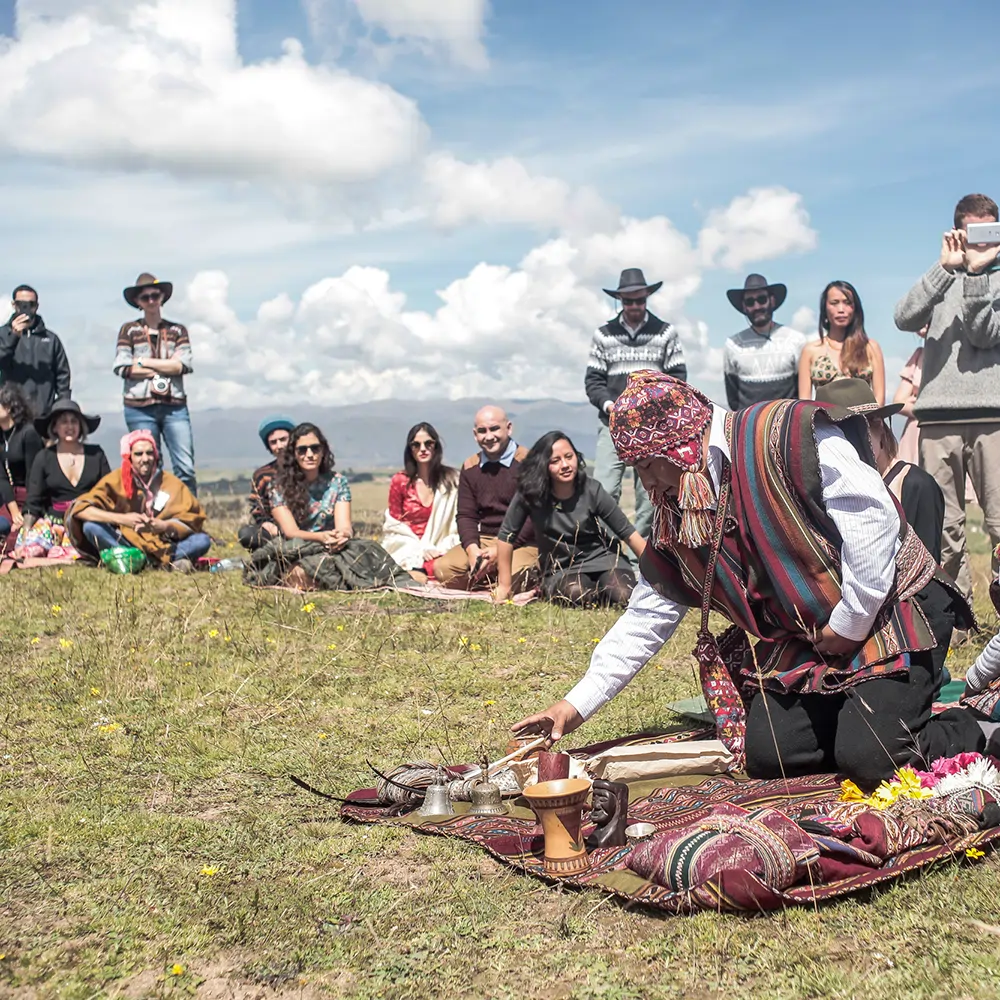
You’ll typically sit in a ceremonial space—in traditional Andean and Amazonian settings, this might be a rustic maloca (circular structure), or in more modern retreat centers, a dedicated ceremony room. You’ll have a comfortable mat or blanket, a bucket for purging, and access to a bathroom.
The space is typically dimly lit, with perhaps just candles or low lighting. There’s often music—either live singing by the shaman or carefully selected recorded music designed to support the journey.
The Ceremony Begins
After gathering and setting intentions, the medicine is served—usually in small cups, 75-150ml, depending on the strength and your body weight. It tastes terrible—bitter, earthy, sometimes slightly woody. Most people drink it quickly and then wait.
The Onset (30 Minutes to 1 Hour)
After the medicine is consumed, there’s typically a waiting period before effects become obvious. Your eyes might start to feel heavy. You might notice your hands or body feeling slightly different. There’s often a sense of anticipation.
The shaman or facilitator sings icaros (healing songs), often while moving through the space, directing energy to participants who are already beginning to journey.
The Visionary Phase (1-3 Hours)
The full effects typically come on gradually. Your visual field begins to shift. Closed-eye visuals start—often beginning with geometric patterns, colors, fractals. These typically become more complex and organic, evolving into recognizable scenes, symbols, or encounters.
You might feel waves of emotion. Some people cry deeply. Others laugh. The emotions often feel cathartic—like something long suppressed is finally moving.
For most people, there’s also a component of bodily purging. You might feel nauseous and move to your bucket. The shaman views this as literally releasing toxins and old emotional patterns. Whether this is physiologically literal or symbolically profound, most people report it as deeply cleansing.
The Integration and Coming Down (3-6 Hours)
Gradually, the intensity subsides. The visions become less vivid, the bodily sensations calm. You might emerge into a deeply peaceful state, feeling profound clarity and emotional release. You might remain in the visionary state longer than others—there’s significant variation.
By the end of the ceremony (typically 4-6 hours), most people are coming back to baseline consciousness, though in an altered state—calm, often emotionally open, sometimes in profound shock at what they experienced.
The Importance of Integration
The ceremony itself is just part of the process. What happens afterward—how you process, integrate, and apply the insights—is equally crucial.
Most quality retreats include integration sessions the following day, where you can discuss your experience with facilitators and with other participants. This serves multiple purposes: it helps normalize the profound experiences you’ve had, allows you to gain insights from others’ experiences, and helps you translate ceremony insights into real-world application.
The Therapeutic Benefits: What Research Shows
While ayahuasca research is still relatively young (it’s difficult to study a Schedule I substance in most countries), the existing evidence is compelling.
Peer-Reviewed Research Findings
Studies published in respected journals have found:
- Significant reductions in depression and anxiety even six months after a single ayahuasca ceremony
- Increases in openness and emotional processing that persist long-term
- Improvements in psychological flexibility and ability to handle life stress
- Measurable increases in sense of meaning and life satisfaction
- Enhanced empathy and social connection
A notable study from Spain found that participants showed significant improvements in depression and anxiety that were maintained at six-month follow-up—results that often exceed what’s seen with pharmaceutical interventions.
Long-Term Transformation
Perhaps more importantly than short-term symptom relief, people consistently report long-term lifestyle changes. Someone might quit a job they hated because they finally saw it was draining their spirit. A relationship might shift because the person can finally see dynamic patterns that were invisible before. Creative work that had been blocked might suddenly flow.
These changes don’t happen through willpower or resolution—they happen because the ceremony provided actual shift in consciousness and perspective that makes the change feel not just necessary but inevitable.
Individual Variation
It’s important to note that results vary. Not everyone has profound experiences. Some people report relatively mild effects. Some people need multiple ceremonies before deep work becomes possible. And for some people, despite best intentions and preparation, ayahuasca doesn’t seem to be the right medicine.
This is normal and okay. Ayahuasca is powerful, but it’s not for everyone, and it’s not the solution to every problem. The most important factor is approaching it with realistic expectations and willingness to accept whatever unfolds.
Safety Considerations: Taking Ayahuasca Seriously
Authentic ayahuasca work requires taking safety extremely seriously. This means understanding both the risks and how to mitigate them.
Who Should Not Use Ayahuasca
Ayahuasca is contraindicated for:
- People with a personal or strong family history of psychosis or schizophrenia
- People currently taking SSRIs or other serotonergic medications (though some facilitators work with specific medications if carefully managed)
- People with certain heart conditions
- Pregnant women
- People in active suicidal crisis (though certain types of depression can benefit)
- People with active severe substance addiction
This doesn’t mean people with these conditions can’t ever work with ayahuasca, but it requires very careful medical supervision and informed consent.
Physical Safety Protocols
Proper retreat centers will:
- Conduct thorough medical screening beforehand
- Have medical staff on-site during ceremonies
- Maintain sterile conditions for any medical procedures
- Have emergency protocols and contact with medical facilities
- Ensure facilitators know CPR and basic emergency first aid
- Never force anyone to complete a ceremony who is in distress
Psychological Safety
Beyond physical safety, quality centers maintain psychological safety through:
- Experienced, trained facilitators who understand psychology
- Clear boundaries and ethics (no sexual or financial exploitation)
- Integration support to help process difficult experiences
- Screening for psychological readiness
- Support for people who experience challenging ceremonies
Choosing a Safe Retreat
The unfortunate reality is that the ayahuasca tourism industry includes some centers that prioritize profit over safety. To choose safely:
- Verify facilitator credentials and training
- Ask for references and speak with past participants
- Research whether they’ve had serious incidents or complaints
- Look for medical professionals involved
- Check that they conduct thorough medical screening
- Ensure they emphasize preparation and integration, not just the ceremony
Ayahuasca Cusco: Why the Sacred Valley is an Ideal Location
The Sacred Valley region, where Cusco is located, holds particular significance for ayahuasca work, beyond merely being a convenient location.
The Energetic Properties of the High Andes
Indigenous peoples have recognized the Andes as places of immense spiritual power for thousands of years. They speak of “apus”—mountain spirits—that hold wisdom and healing capacity. Whether you interpret this metaphorically or literally, the geographical location at 11,000+ feet in a region of extraordinary natural beauty and historical significance creates an environment conducive to deep spiritual work.
Integration with Andean Wisdom Traditions
Working with ayahuasca in Cusco allows integration with Andean healing practices that have been refined over millennia. Ceremonies might be combined with offerings to Pachamama (Mother Earth), work with the coca leaf and its divinatory properties, or connection with Andean ancestral wisdom.
This creates a richer context for the work—you’re not just taking a powerful plant medicine, you’re engaging with a complete healing tradition that encompasses relationship with land, ancestors, and cosmic forces.
Historical and Cultural Significance
Cusco was the capital of the Inca Empire and remains one of the most spiritually powerful cities in South America. Many people report that being in this location itself is healing and grounding. You’re not visiting a remote generic location; you’re standing in places of genuine historical and spiritual significance.
Practical Advantages
Beyond spirituality, Cusco offers practical advantages: reliable international flights, excellent food and accommodations, English-speaking guides, and easy combination with other healing modalities (massage, yoga, other plant medicines) if desired. You receive the powerful healing of authentic ayahuasca work without having to endure extreme discomfort or dangerous isolation.
Integration After Your Retreat: Making the Insights Last
The ceremony is the beginning, not the end. Integration is where the rubber meets the road.
The First Days and Weeks
Immediately after ceremony, you’re in a state of heightened sensitivity and openness. This is precious. Many facilitators recommend:
- Journaling about your experience while it’s fresh
- Maintaining the dietary practices for a few more days
- Avoiding heavy stimulation (TV, social media, excessive social engagement)
- Getting adequate sleep
- Gentle physical activity like walking or yoga
This isn’t coddling yourself—it’s honoring the work. Your consciousness has been significantly shifted. Giving it time to integrate rather than immediately jumping back into normal life dramatically increases the likelihood of lasting change.
Working with Integration in the Weeks and Months Following
The real work happens after you return home. You’ll likely notice:
- Insights about patterns in your life that now seem obvious
- Shifts in what you can tolerate (intolerable situations might suddenly become clear)
- Emotional release continuing as old material continues to process
- Energy and clarity increasing
- New capacities and perspectives becoming available
The key is to consciously work with these gifts. If a relationship dynamic was revealed, begin shifting that dynamic. If a creative calling became clear, begin taking steps toward it. If limiting beliefs were exposed, begin consciously challenging them.
Many people find that working with a therapist after ayahuasca is helpful—particularly someone who understands plant medicine work. The ceremony opens doors; ongoing psychological work helps you walk through them.
When to Consider Additional Ceremonies
Some people find that one ceremony provides sufficient shift for significant healing. Others find that multiple ceremonies over weeks or months create deeper, more lasting transformation.
There’s no prescribed number—it’s individual. Some considerations:
- If you feel the first ceremony opened important work but didn’t complete it, a second ceremony can go deeper
- If you’ve been using the insights actively but feel stuck, another ceremony might provide the next level of breakthrough
- If you’re not integrating well despite efforts, additional support (therapy, coaching) might be more valuable than another ceremony
Choosing Your Ayahuasca Retreat: Questions to Ask
When evaluating retreat centers, ask:
About the Facilitators:
- What’s their training, lineage, and experience?
- How long have they been working with ayahuasca?
- What’s their approach to safety and integration?
About the Medicine:
- Who prepares the brew? What’s their experience?
- Is the brew tested for purity and contamination?
- What’s the dosing approach (standardized vs. adjusted)?
About Safety:
- What medical screening is conducted?
- Is there medical staff on-site during ceremonies?
- What emergency protocols are in place?
About Integration:
- What integration support is provided?
- Is there opportunity to process with facilitators and participants?
- What follow-up support is available after you leave?
About Logistics:
- What’s included in the price? What’s extra?
- How many people are in each group?
- What are accommodations like?
- Is dietary preparation clearly explained?
About Testimonials:
- Can they connect you with past participants?
- Are there reviews on multiple platforms?
- Are there any complaints or concerning incidents?
The Cost of Ayahuasca Healing in Peru
Authentic ayahuasca retreats typically range from $300-$1,500 for short ceremonies to $2,000-$5,000+ for multi-day intensive retreats.
Pricing reflects what’s actually involved: cost of the prepared medicine (high-quality brew is expensive), experienced facilitators, proper facilities, meals, integration support, and liability insurance.
Be cautious of retreats that are significantly cheaper—they may be cutting corners on safety or facilitator training. Equally, higher price doesn’t automatically mean better quality. Choose based on reputation, credentials, and alignment with your needs, not solely on price.
Beginning Your Transformation
Ayahuasca healing in Peru represents one of humanity’s most profound tools for transformation. It’s not a vacation. It’s not a party. It’s a serious engagement with a powerful medicine that can catalyze genuine healing and awakening.
If you’ve felt the call to this work—if you know in your bones that something needs to shift, that there’s a deeper wisdom within you that needs accessing, that the conventional paths have taken you as far as they can—then ayahuasca might be exactly what you’re looking for.
The question isn’t whether ayahuasca is real or whether it works. The question is whether you’re ready to engage with the possibility of genuine transformation. Whether you’re willing to feel what needs to be felt, face what needs to be faced, and allow yourself to be changed.
If the answer is yes, if you feel that yes resonating in your body and spirit, then the first step is simple: reach out. Connect with a retreat center that resonates with you. Ask your questions. Conduct your research. And when you’re ready, step into the Sacred Valley of Peru and begin the most important journey of your life.
The mountains are waiting. The medicine is waiting. Your healed, awakened, full-spectrum self is waiting to be remembered.
FAQs About Ayahuasca Healing Peru
Is ayahuasca legal in Peru?
Yes, ayahuasca is legal in Peru and is protected under Peruvian law as part of indigenous heritage and traditional medicine. Many facilitators operate legally and transparently.
How long do the effects of ayahuasca last?
The acute effects of one ceremony typically last 4-6 hours. However, the psychological and spiritual effects continue integrating for weeks, months, or even years.
Can I do ayahuasca if I’m on antidepressants?
It depends on the specific medication. SSRIs are particularly problematic due to serotonin interaction. Some medications can be safely used with ayahuasca under medical supervision. Always disclose all medications to facilitators.
What if I have a difficult experience in ceremony?
Difficult experiences are sometimes part of authentic healing. Quality facilitators are trained to support people through challenging ceremonies. However, having medical and psychological support available is crucial.
How many people are typically in a ceremony?
It varies, but quality centers usually keep groups small—often 5-15 people. Smaller groups allow more individual attention and safer logistics.
When will I see results?
Some people feel profound shifts immediately after ceremony. For others, the real shifts become apparent over weeks and months. Integration and application of insights is crucial.
Is ayahuasca addictive?
Ayahuasca is not chemically addictive. However, some people can become psychologically dependent on the medicine experience. This is another reason why working with experienced facilitators and maintaining realistic expectations is crucial.