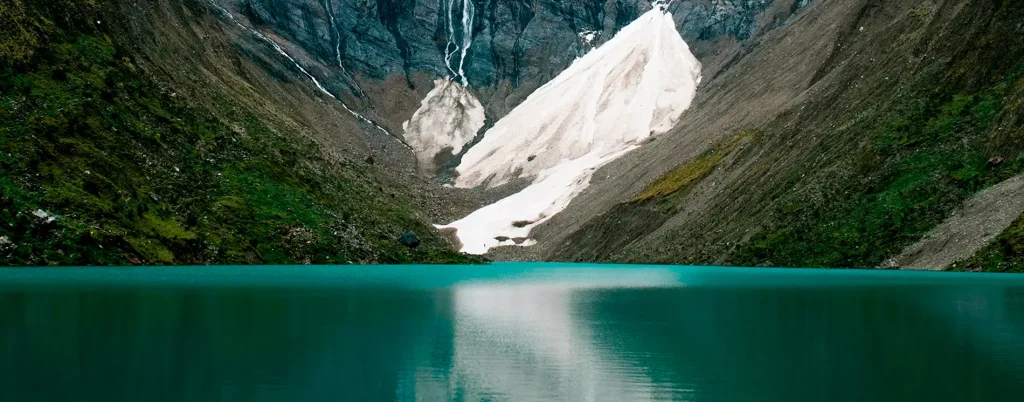
Every year, in late May or June, tens of thousands of people walk through the night to a glacier valley under Ausangate, carrying crosses, dancing, and climbing towards the ice at nearly 5,000 metres. Nobody sold them a package. They are going because the mountain is there, because their parents went, and because walking is how you ask for something in the Andes.
That is the oldest model of a spiritual journey in Peru, and it is still the best one. You go to a place on purpose. You arrive with a question. You make an offering. You walk. Something may or may not change, and you come home and live with whatever it was.
We are a family from Chinchero, in the Sacred Valley, and we have been guiding travellers on these journeys since 2013. This page is our attempt at an honest guide: what a spiritual trip to Peru really involves, where to go and why, which ceremonies fit which intentions, how to prepare safely, and what we will and will not promise you.
If you already know what you want, the journeys and ceremonies are listed below. If you are still deciding, keep reading.
A spiritual journey is not a holiday with a ceremony bolted on. It is not a guarantee of awakening, either, whatever the brochures say.
In the Andean way of thinking, a journey is a relationship with a landscape. The mountains, the springs and the earth are alive, and you are a visitor in their territory. So the journey starts with greeting them, continues with giving something back, and ends with carrying home what you were given. Our guide to Andean cosmovision explains this way of seeing the world in more depth.
In practice, most of the spiritual journeys we guide have three ingredients.
What it is not: a fast track to enlightenment, a cure for illness or a replacement for therapy. Some people have experiences in Peru that reshape their lives. Some have a beautiful, quiet trip and go home with a few good questions. Both are fine. We would rather you arrive open than arrive with a target.
Change your life right now! In the Sacred Valley and Amazon, Ayahuasca, Wachuma (San Pedro) and Shamanic Retreats abound. Confirmed 2026 dates all-inclusive. Dec 31 is the cutoff; secure your place in 2 minutes. Wake up your essence—quickly filling locations!

People will tell you that the Andes vibrate at a higher frequency, or that the Sacred Valley is an energy vortex. We do not make those claims, because we cannot measure them and you cannot check them. What we can tell you is why Peru, and Cusco in particular, is unusually good for this kind of travel.
The tradition is still lived, not reconstructed. In August, families across the Cusco region feed the earth with offerings. Coca is shared at meetings and before work. Mountains are greeted by name. You are not visiting a heritage display; you are visiting neighbours.
The sacred sites are dense. Inca Cusco was surrounded by hundreds of shrines, known as huacas. A seventeenth-century chronicler recorded around 328 of them on 41 lines radiating from the Qorikancha temple. Many are still there, often a short walk from a bus stop.
Two medicine traditions meet here. Wachuma (San Pedro) is Andean, with a ceremonial history going back roughly three thousand years. Ayahuasca comes from the Amazon. Cusco is one of the few places where both are offered within reach of each other, which makes it easier to choose carefully, or to choose neither.
The landscape does some of the work. Altitude slows you down. Distances are long and walking is normal. Nights are cold and stars are very bright. Even people who never join a ceremony often say the place itself changed their pace.It is a living culture with its own complications. Five centuries of Catholicism have mixed with Andean practice, tourism has changed some ceremonies, and not every “shaman” in Cusco is who they claim to be. Part of a good journey is understanding that honestly, which is why this page has a section on choosing guides.
You can make a meaningful journey without leaving the Cusco region. Here are the places we return to most, and what they are good for.
Qosqo is often translated as “navel”, the centre of the Inca world. Start at the Qorikancha, the Inca Sun temple with a Dominican church built on top of it, which is the perfect introduction to how the Andean and Catholic worlds sit on each other. Above the city, Sacsayhuamán, Q’enqo with its carved tunnels, and the rock altar known as the Temple of the Moon are good places for quiet time and first offerings. Our guide to power places in Cusco covers more.
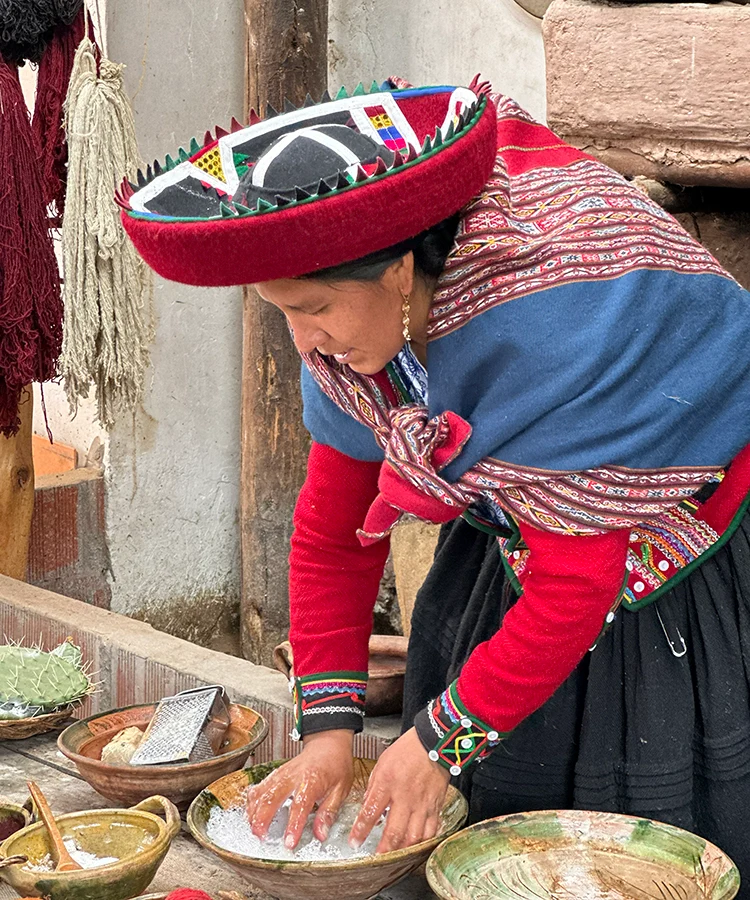
At around 2,800 to 3,000 metres, the valley floor is lower and warmer than Cusco, which makes it the best place to rest and acclimatise. Pisac has a temple complex on a ridge with views across the river. Ollantaytambo is still a living Inca town. Moray, with its concentric agricultural terraces, makes people stop talking. Chinchero, where we come from, is a weaving town where Sunday market, church and offerings all happen within a few hundred metres. See our guide to Sacred Valley spiritual sites.
Machu Picchu is crowded, timed and regulated, and that is fine. The sacred part comes from knowing what you are looking at: the Intiwatana, the Temple of the Condor, the alignments with the solstice and the surrounding Apus. Go with a guide who explains the architecture as a sacred landscape, and consider walking in on the Inca Trail rather than taking the train the whole way. Read Machu Picchu’s sacred architecture before you go.
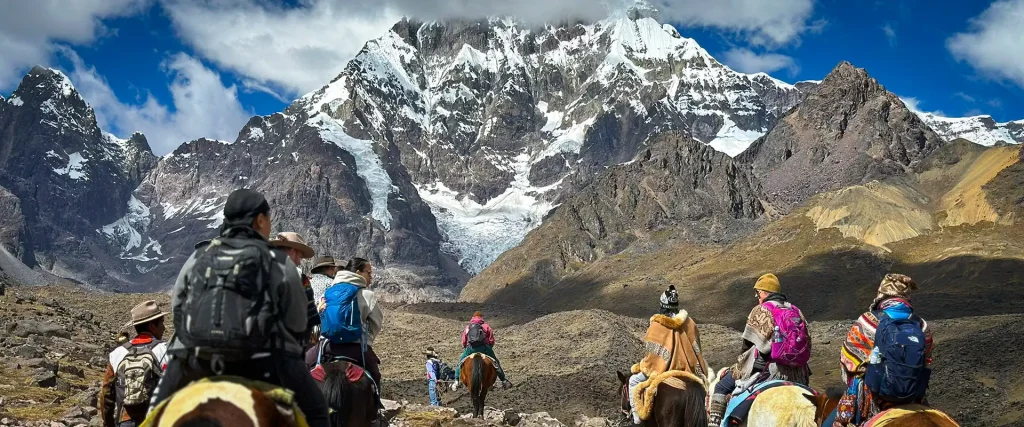
Ausangate, at 6,384 metres, is the most powerful Apu in the Cusco region and the site of the Qoyllur Rit’i pilgrimage, which UNESCO added to its Representative List of Intangible Cultural Heritage in 2011. Treks around the mountain are hard and high, and for some travellers they are the core of the journey. We offer an Ausangate trek with a wachuma ceremony for those who want to combine both. Our article on trekking and ceremony in Peru explains how the two fit together.
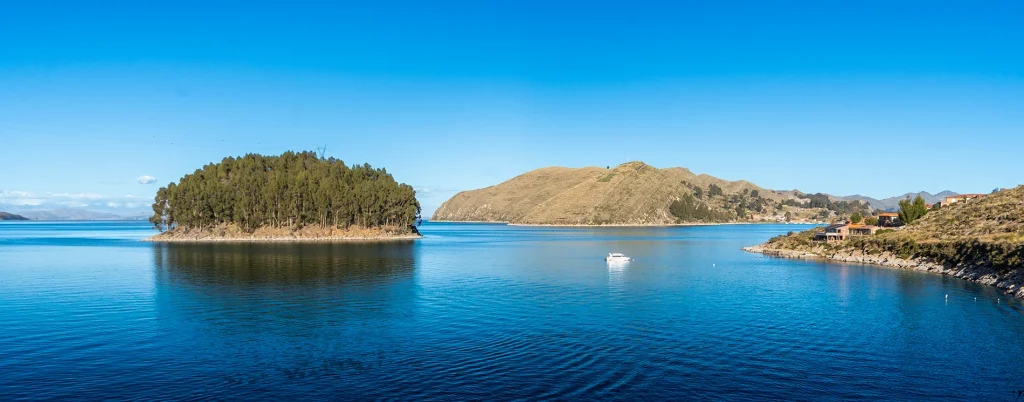
At 3,812 metres, Titicaca is the origin place of the Incas in their own mythology. Island communities such as Taquile and Amantaní still farm, weave and host visitors; Taquile’s textile tradition was recognised by UNESCO in 2008. Most of our longer journeys include the lake, and some continue into Bolivia. See our Puno and Bolivia page.
Ayahuasca belongs to the rainforest, and some travellers prefer to drink it there. Others prefer Cusco for its infrastructure and its access to Andean ceremony. We are happy to explain the differences honestly, including where we think the Amazon is the better choice.
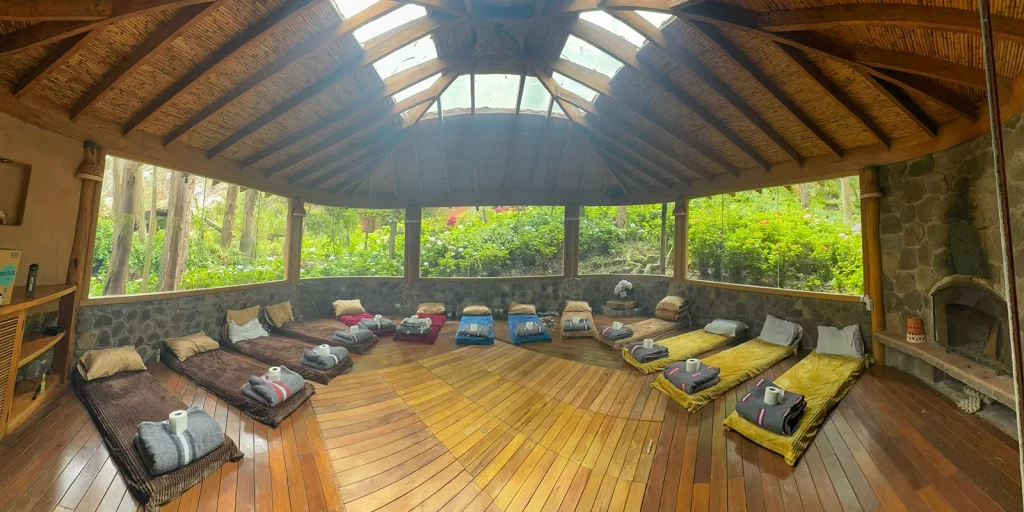
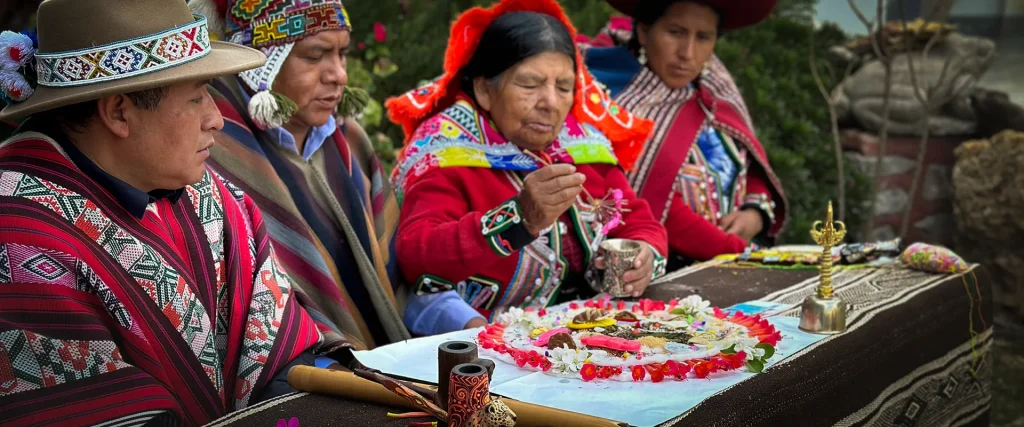
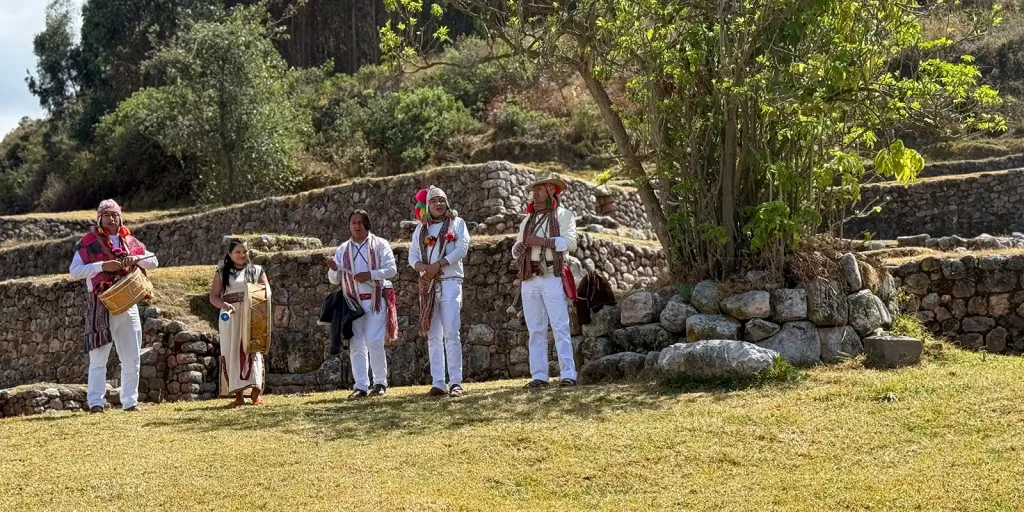
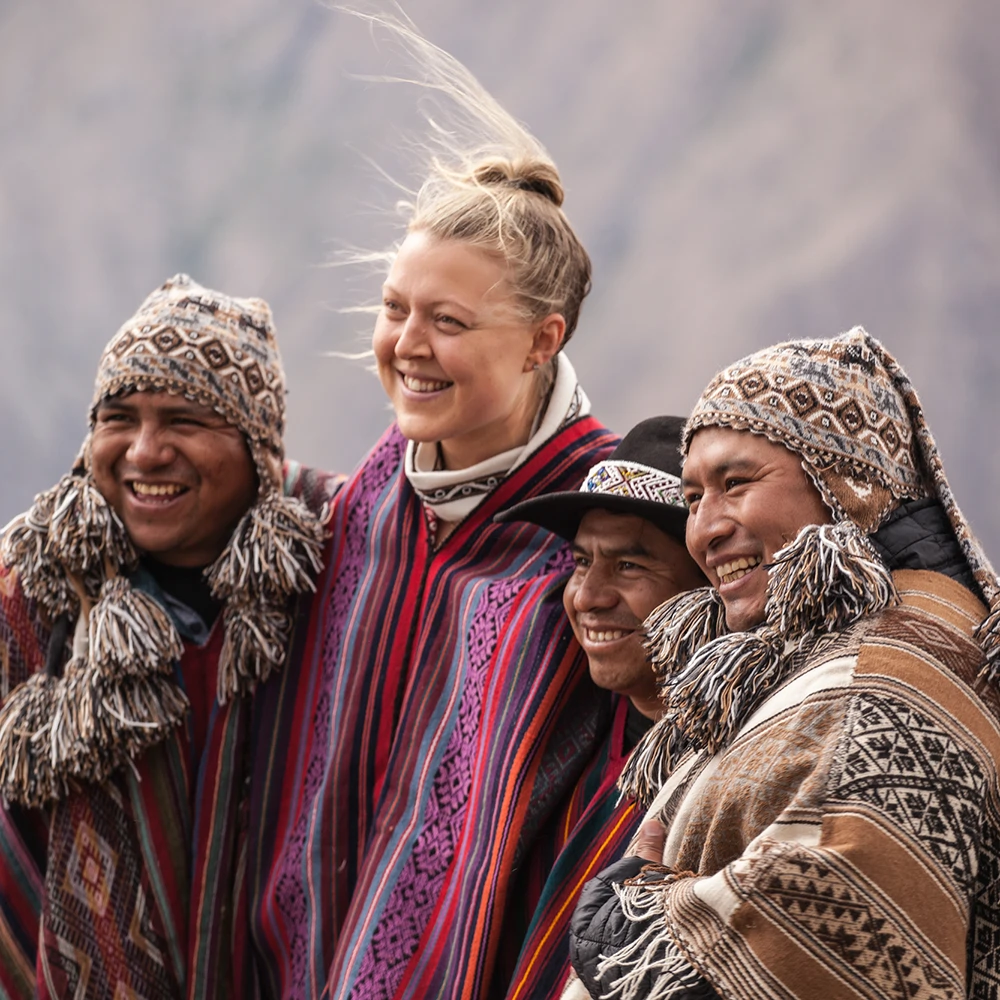
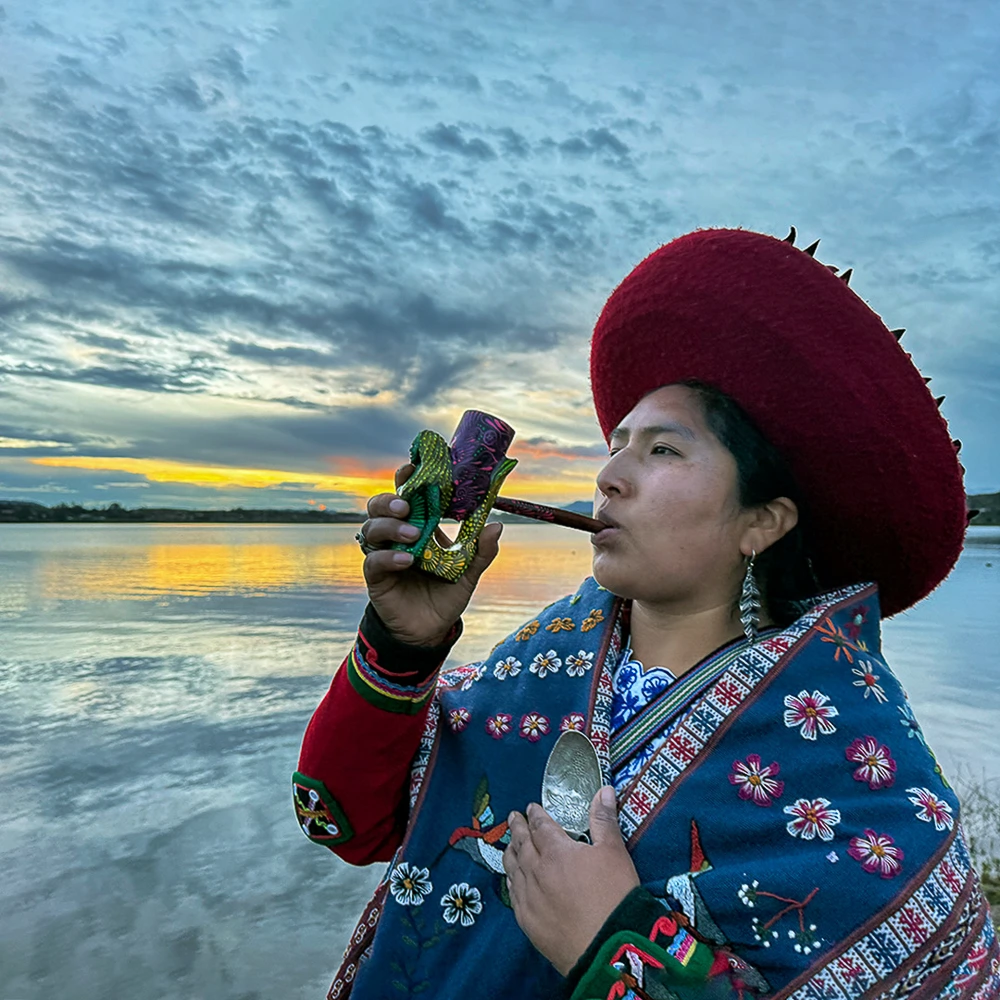
Experience authentic traditions from the Andes designed to ground you and connect you to higher wisdom. At PumAdventures, we offer traditional Ayahuasca ceremonies, Wachuma (San Pedro) ceremony, and Coca Leaf readings as well as offerings to Mother Earth, Andean wedding ceremonies, and more; each led by Andean masters.
All these sacred montanean traditions will help you heal, balance, and connect to nature more profoundly as well to the Spirit. Each ceremony is carried out with true respect and commitment to your inner development and spirituality.



This is one of the questions we are asked most, and the honest answer depends on what you are looking for rather than on which is “more powerful”.
| Andes (Cusco and the Sacred Valley) | Amazon (Iquitos, Pucallpa, Madre de Dios) | |
| Main medicine | Wachuma (San Pedro), plus Andean ceremonies without medicine | Ayahuasca, often with long plant diets |
| Ceremonial style | Daylight, outdoors, offerings to earth and mountains | Night, in a ceremonial house, with icaros (healing songs) |
| What else you can do | Sacred sites, Machu Picchu, treks, weaving communities | Rainforest, rivers, wildlife, long retreat stays |
| Climate and body | Altitude, cold nights, dry season May to September | Heat, humidity, insects, rain all year |
| Typical length | A few days to two weeks, combined with travel | One to several weeks, usually staying in one centre |
| Good for | First-timers, culture-focused travellers, people who want ceremony without medicine | People committed to a deep ayahuasca process with time to stay put |
Cusco has become a common place to drink ayahuasca because it is easy to reach and combines well with the rest of a trip. That is a practical choice, not a traditional one. Ayahuasca served in the Andes is an Amazonian medicine away from home, and a good provider will say so. If your main intention is Andean culture, sacred sites and offerings, stay in the highlands and consider wachuma or no medicine at all. If your main intention is a long ayahuasca process with dietas, the rainforest is probably the better place, and we will tell you that even though it means you will not travel with us.
Not every ceremony is for everyone. Here is how they compare, roughly in order of intensity.
| Ceremony | What it is | Length | Physical / medical demands |
| Coca leaf reading | A paqo reads coca leaves for guidance on a question you bring | About 1 hour | None |
| Offering to Pachamama | A despacho: an offering bundle built and given to the earth and mountains | 2–3 hours | Minimal |
| Andean wedding | A symbolic marriage or vow renewal in the Andean tradition | Half a day | Minimal |
| San Pedro (wachuma) ceremony | A daytime plant medicine ceremony with the Andean cactus | Full day | Medical screening required |
| Ayahuasca ceremony | An Amazonian plant medicine ceremony held at night | 1–2 days | Medical screening required; serious drug interactions |
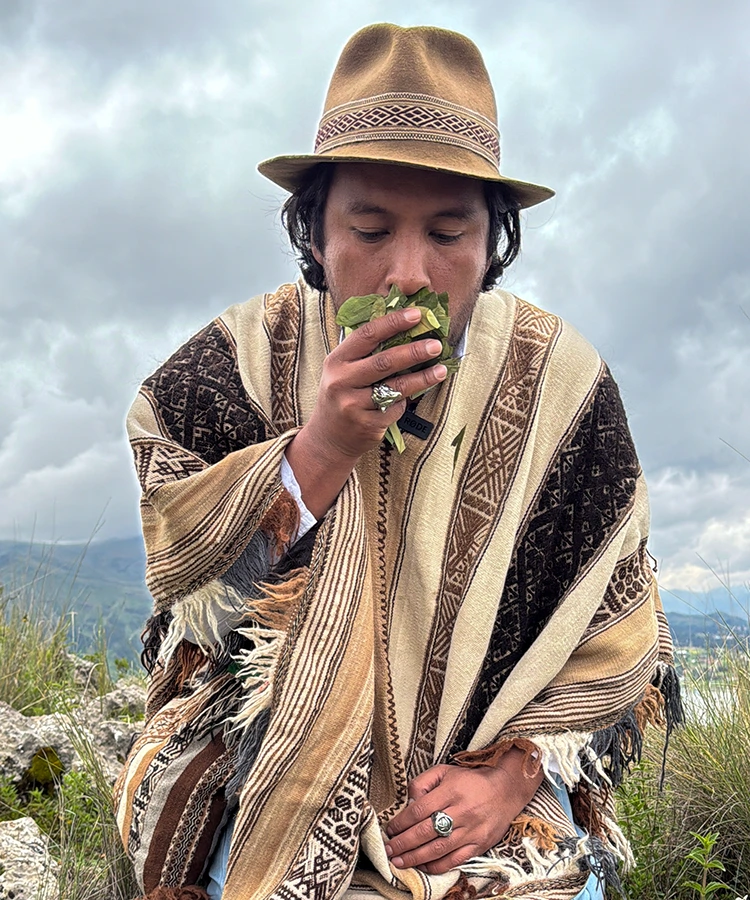
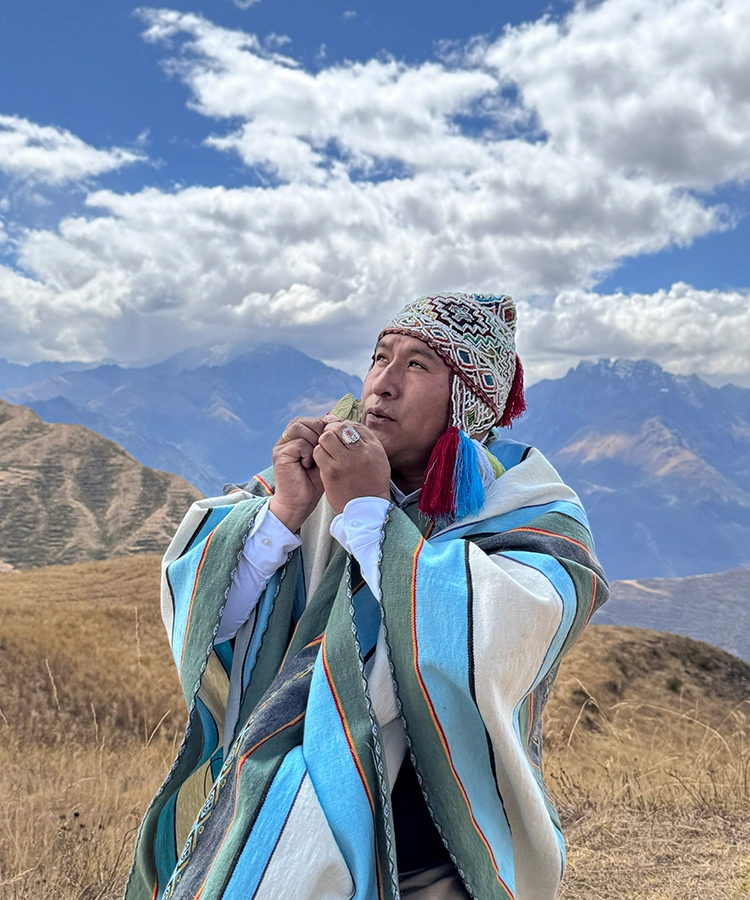
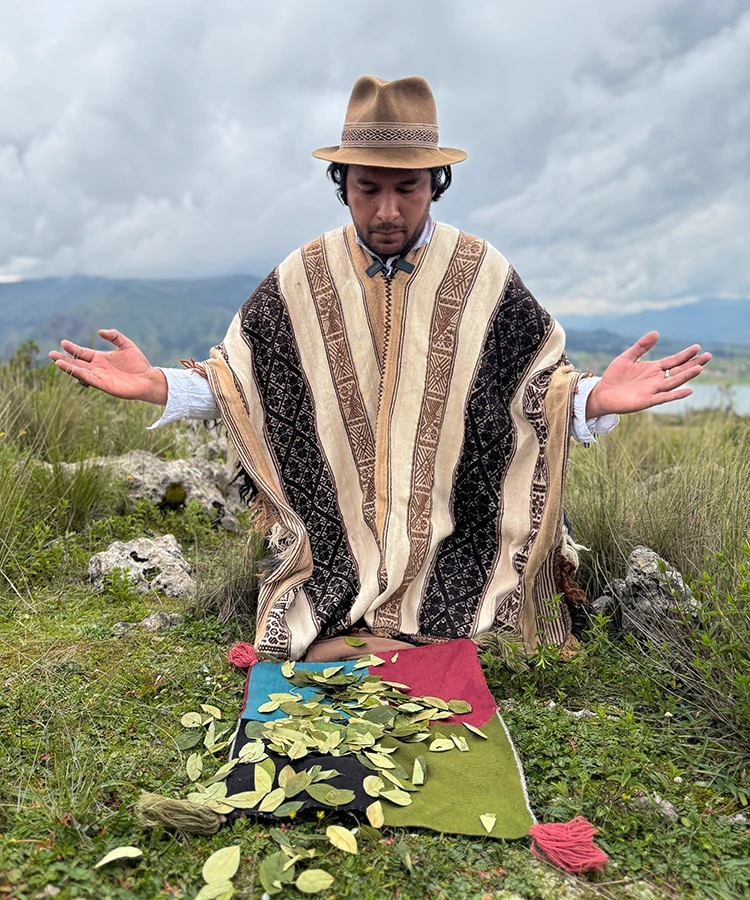
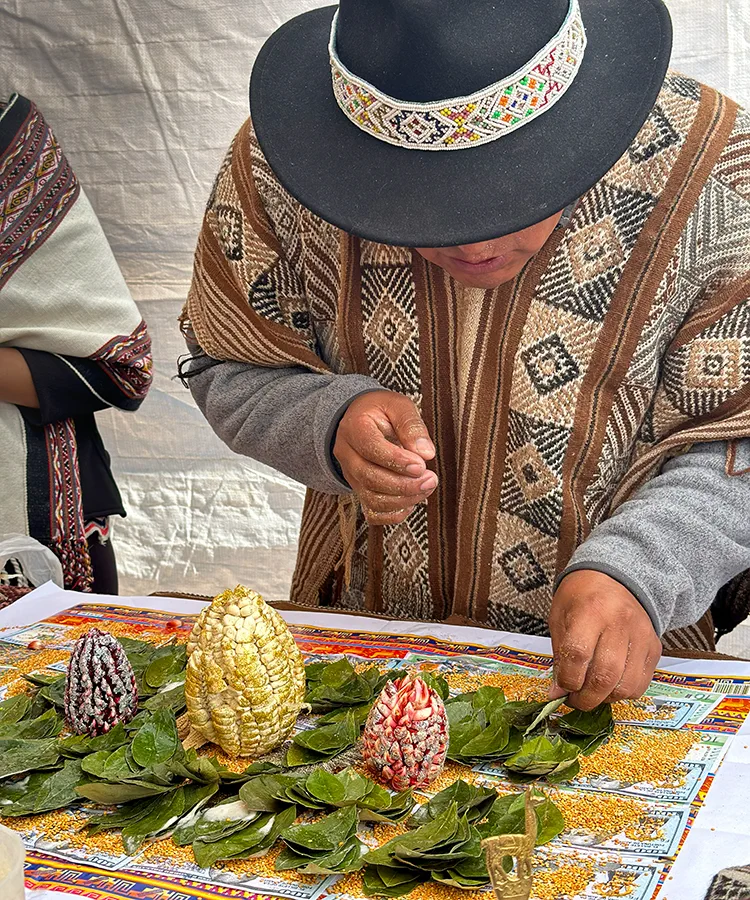
If you are unsure about ceremony, begin with a coca leaf reading. It is short, gentle and very Andean. The paqo drops leaves onto a woven cloth and reads their position, then talks with you about what they see. Many people find it the most personal moment of their trip.
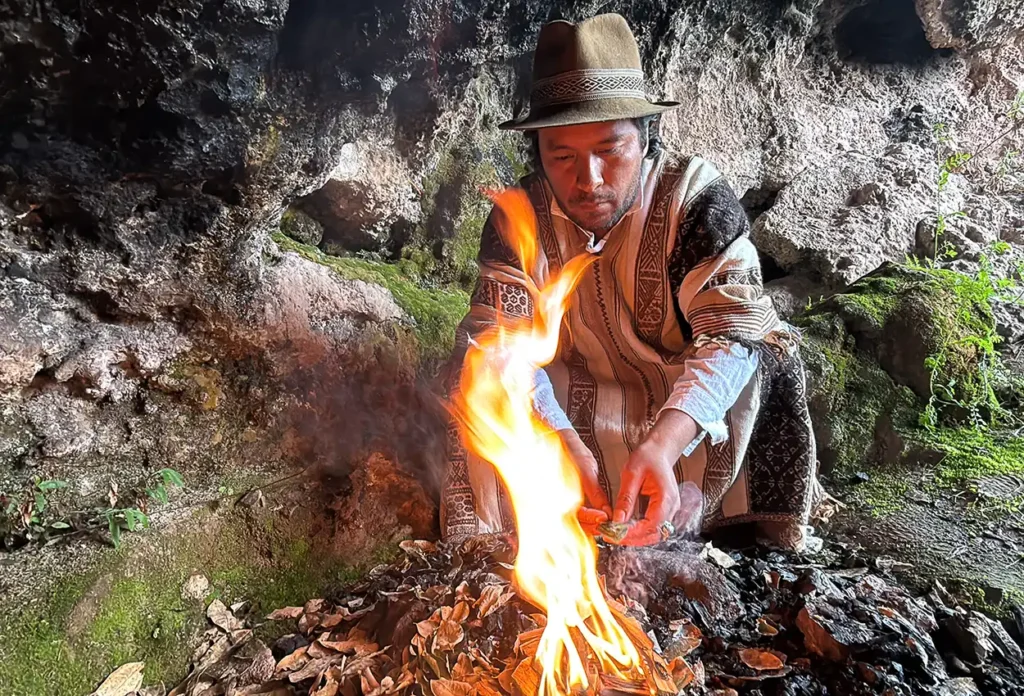
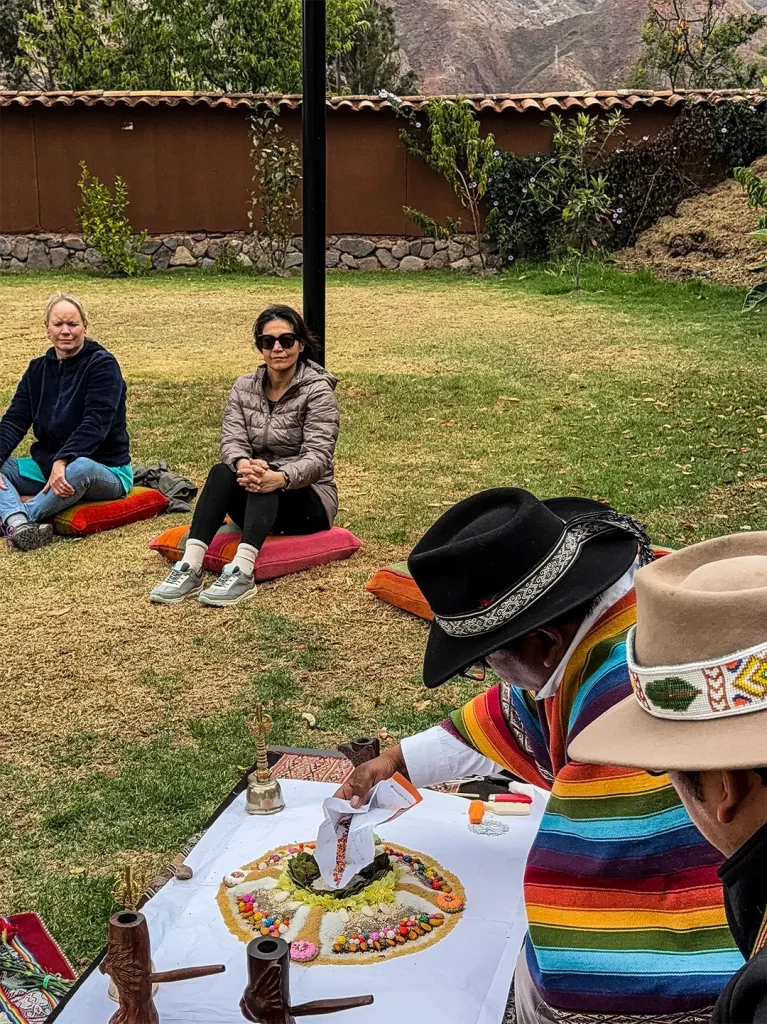
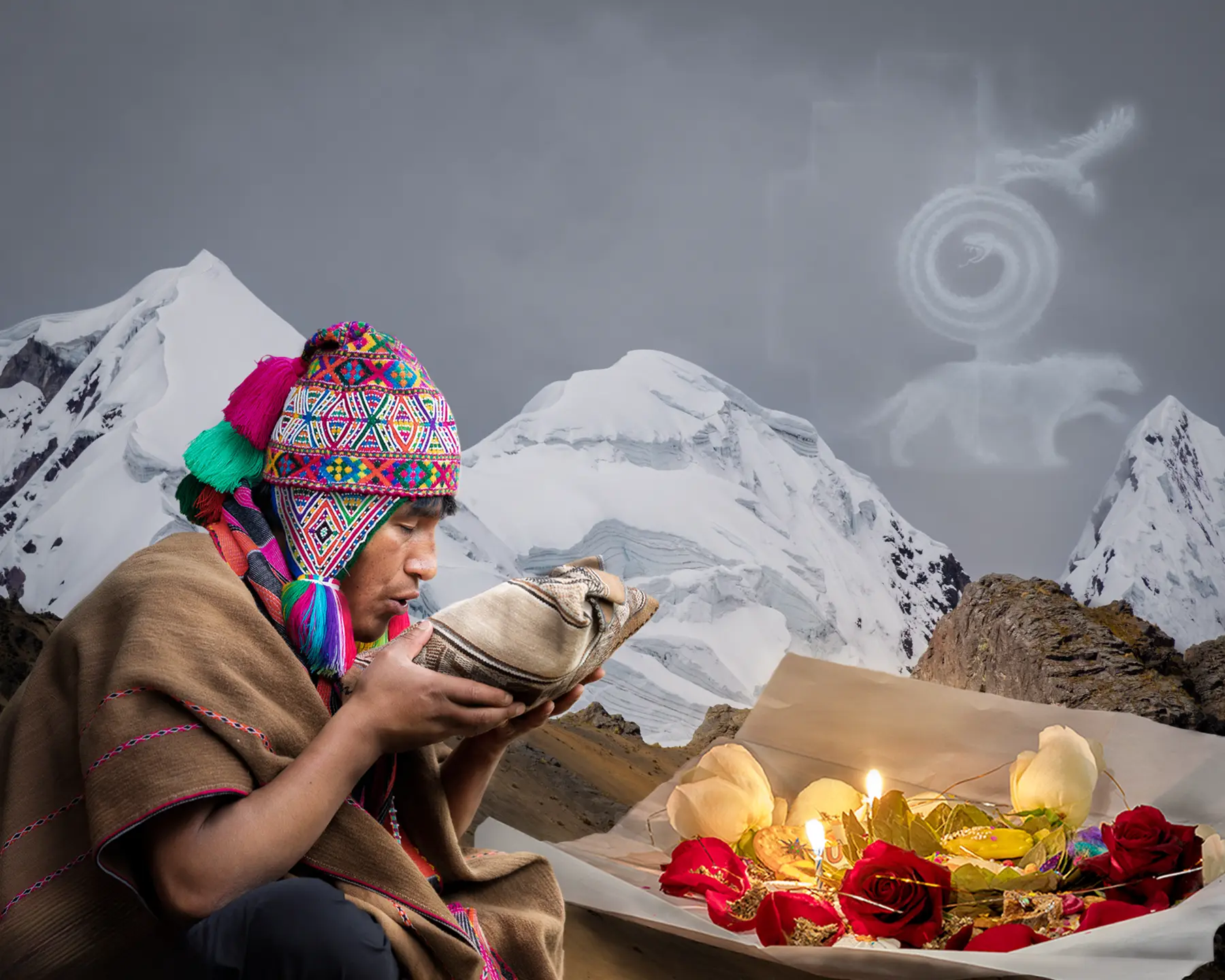
A despacho is the heart of Andean ritual. You sit with the paqo while he or she builds a small world on a sheet of paper: coca, seeds, sweets, shells, wool and flowers, each carrying a prayer. Then it is wrapped and given to the fire. It is reciprocity in physical form. Our guide to despacho ingredients explains each element.
Wachuma is taken during the day, usually walking in the landscape. Experiences range from gentle openness to strong emotion, sometimes with nausea. Ayahuasca is taken at night in a closed space, and is usually stronger, with visions and often purging.
Plant medicine is not for everyone. Both wachuma and ayahuasca carry real physical and psychological risks. Ayahuasca can interact dangerously with antidepressants (SSRIs, SNRIs, MAOIs), some other psychiatric medications and certain other drugs. Heart conditions, high blood pressure, epilepsy, pregnancy, and a personal or family history of psychosis or bipolar disorder are among the reasons people should not take part. Speak to your doctor before booking, never stop prescribed medication without your doctor’s advice, and answer our medical screening honestly. Taking part is always your own informed decision.
Read who should not drink ayahuasca and is wachuma safe? before you decide. A spiritual journey in Peru does not need plant medicine to be complete, and many of our travellers never take any.
How long you have, how you like to travel and what you are looking for will decide the format.
With three or four days in Cusco, you can book one or two ceremonies around your sightseeing. A coca leaf reading on day two, a Pachamama offering on day three. Give yourself at least one full day to acclimatise first. Our 7-day spiritual itinerary in Cusco shows how to build a short trip around ceremony.
Our multi-day journeys combine sacred sites, ceremonies and guided time, with the logistics arranged for you; each itinerary page lists exactly what is included. Groups are small, with a maximum of 10 people.
| Journey | Length | From | Pace |
| Healing Peru | 10 days | US$3,800 | Moderate |
| Spiritual Trip Peru | 11 days | US$3,500 | Easy |
| Spiritual Awakening Peru | 14 days | US$4,390 | Easy |
| Peru Uncovered | 15 days | US$3,690 | Easy |
| Machu Picchu & Bolivia | 18 days | US$5,550 | Easy |
Fixed group departures, including solstice and equinox dates, are listed on Join a Journey.
If you are travelling as a couple, a family or a small group of friends, or if you want a particular combination of places and ceremonies, we build the journey around you. See tailor-made tours and private ceremonies. Our guide to private vs group ceremonies helps if you are unsure which suits you, and couples may find our spiritual retreat for couples useful.
Every itinerary is different, but most of our journeys follow a similar arc. Here is roughly how a ten-day journey feels from the inside.
This is one shape among many. Longer journeys add Lake Titicaca, Ausangate or Bolivia; shorter ones focus on Cusco and the valley.
There is no bad month for a spiritual journey in Peru, only different ones.
Our article on the best time for a spiritual retreat goes into more detail.

Preparation makes a bigger difference than most people expect. Think of it in three parts.
Cusco is at about 3,400 metres. Most people feel the altitude for the first day or two: breathlessness, headache, poor sleep. Starting your trip in the lower Sacred Valley helps a great deal. Drink water, eat lightly, go easy on alcohol, and talk to your doctor before travelling if you have heart or lung conditions. If you plan to trek, walk regularly for a few months beforehand.
Spend some time before you leave thinking about why you are going. You do not need a perfect intention. A sincere question is enough. Writing it down helps. So does reducing news, screens and alcohol in the weeks beforehand, if you can.
If you are considering wachuma or ayahuasca, start early. Some medications must be stopped well in advance, under medical supervision, and some cannot be safely stopped at all. Talk to your doctor before you book, tell us everything in your medical screening, and expect to follow a preparation diet for some days before ceremony. Our guide on how to prepare for a plant medicine ceremony in Peru explains what to avoid and when.
For practical planning — documents, budgets, flights and packing — read how to plan your first spiritual journey in Peru.
Spiritual tourism in Cusco has grown fast, and quality varies enormously. Whether you travel with us or not, these questions will help you choose.
Red flags: promises of healing or guaranteed awakening; pressure to book quickly; “shamans” who will not say where they learned; no questions about your health; very cheap plant medicine ceremonies.

The part of a spiritual journey that matters most usually happens after you get home.
Integration means making sense of what you experienced and letting it change something real: a habit, a relationship, the way you spend your time. It is slower and less dramatic than ceremony, and it is where most of the value lies. Without it, even a powerful experience fades into a good story.
Some questions we ask travellers before they leave Peru:
Integration can include journaling, time in nature, regular contact with a therapist or integration coach, and staying in touch with your guides. If something difficult came up in ceremony, please seek professional support at home. Our articles on life after ayahuasca and wachuma integration go further.
These journeys tend to suit people who:
It may be better to wait if you are in an acute crisis, recently bereaved and still in shock, or hoping a trip will solve a mental health problem. In those situations, support at home comes first. A spiritual journey can be a powerful next step afterwards.
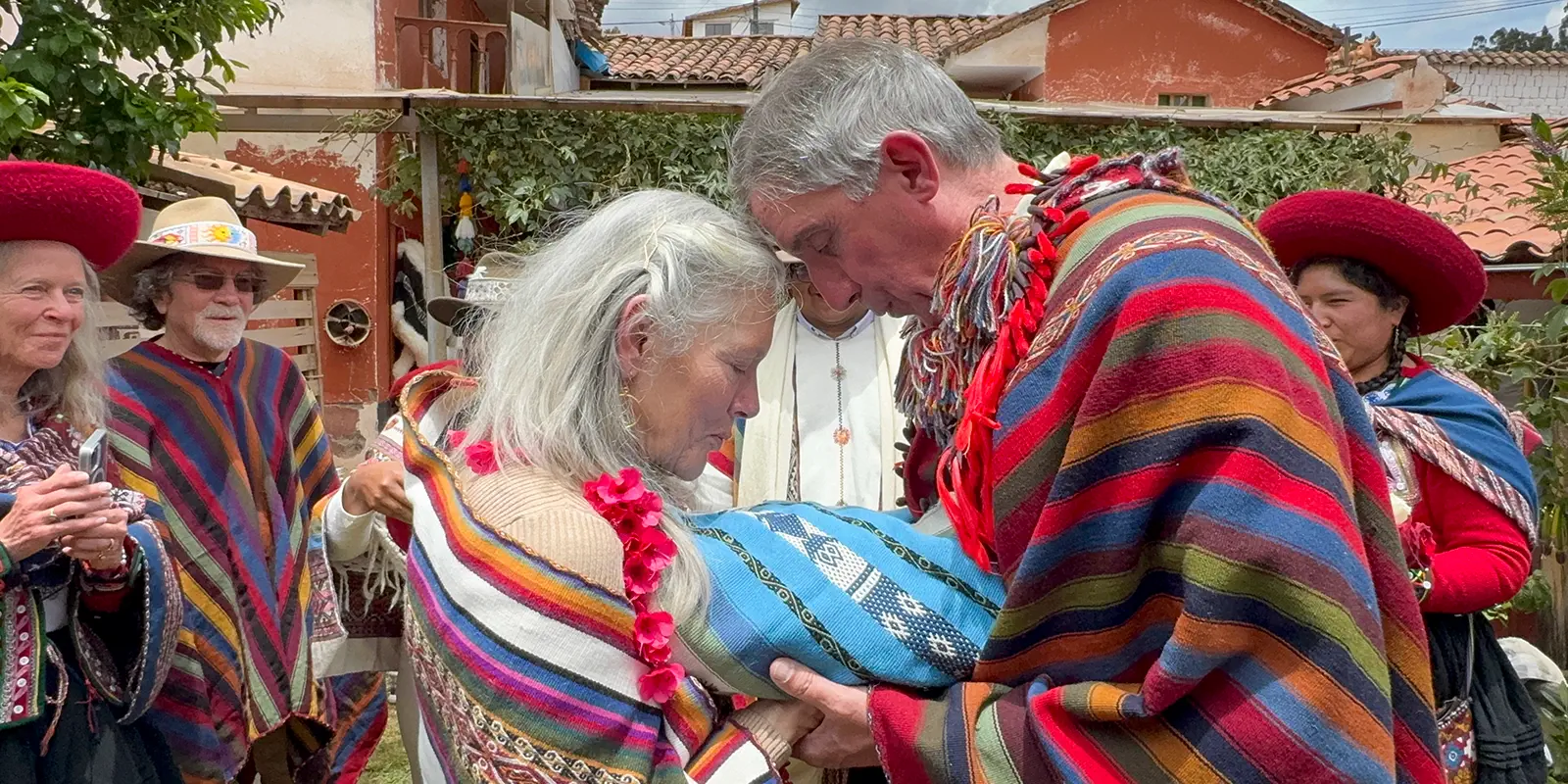
PumAdventures is a family business from Chinchero, founded in 2013. Our office is in the community of Yanacona, Chinchero.
Our ceremonies are led by Puma (Fredy Quispe Singona) and members of his family, who work in what they call the Rainbow Lineage of Andean practice, together with maestros from Chinchero and neighbouring communities. You can meet them on our team page. For the Quechua vocabulary you will hear along the way, keep our Andean spiritual glossary open on your phone.
Part of every journey supports our social project in the local communities. Reciprocity, ayni, applies to us too.
It is a trip built around sacred places, Andean ceremonies and time with local people, rather than sightseeing alone. Most include Cusco and the Sacred Valley, a coca leaf reading and a Pachamama offering, and some include plant medicine ceremonies for those who choose them and pass medical screening.
At least a week if you can. Altitude takes a day or two, and ceremony needs space before and after. Ten to fourteen days lets you add Machu Picchu, a trek or Lake Titicaca without rushing.
No. Many of our travellers never take plant medicine. Coca readings, despachos, sacred sites and time with paqos make a complete spiritual journey on their own.
The sites, cultural ceremonies and travel are as safe as any well-organised trip to Peru, with the main physical risk being altitude. Plant medicine carries real medical and psychological risks and is not suitable for everyone, so screening and honest conversation with your doctor are essential.
Single ceremonies start at about US$70 for a coca leaf reading. Our multi-day journeys range from about US$3,500 for 11 days to US$5,550 for 18 days including Bolivia. International flights are extra.
May to September for dry weather and treks. August for Pachamama offerings. June for the solstice and Inti Raymi. The rainy season, November to March, is quieter and greener.
Yes. Many of our travellers come alone and join a small group, or book a private journey. Groups are limited to 10 people.
We cannot promise that, and neither can anyone else honestly. What we can promise is a well-prepared journey, respectful ceremonies and guides who care about you. What happens inside is yours.
No. Our guides speak English, and they translate the Quechua prayers and explain what is happening at each step.
Look at the fixed dates on Join a Journey, or contact us to build a private trip. We usually reply within 24 hours.
Tell us what you are looking for, even if you can only describe it vaguely. We will suggest a shape for the journey, tell you honestly which ceremonies fit and which do not, and answer every question about safety before you commit.
Contact us or explore our group retreats and ceremonies.
The Urubamba river and terraces of the Sacred Valley at dawn, a starting point for a spiritual journey in Peru Alt text: The Urubamba river and terraces of the Sacred Valley at dawn, where many spiritual journeys in Peru begin
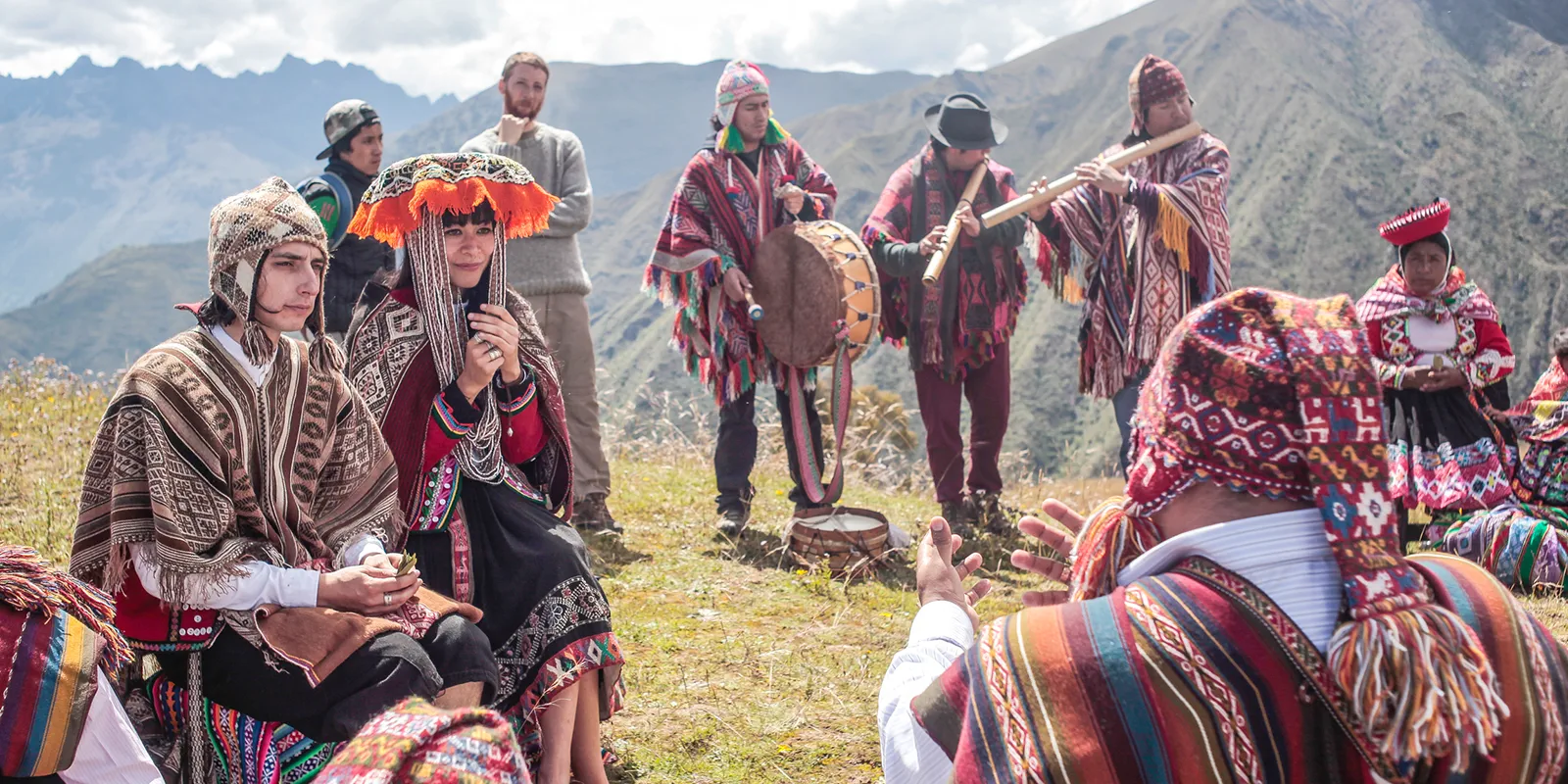
Welcome change and discover the wonder of the Andes by opening your heart.
Join our upcoming Spiritual Journey in Peru to connect with the age-old wisdom that has steered seekers for millennia.
Contact us today to learn more about our upcoming retreats and availability.
Talk to our travel experts and get ready for the most incredible adventure of your life.
Contact us easily via WhatsApp, email, or phone. We are here to assist you.
Our guides are locals and cultural experts who will teach you all about Peruvian history.
100% local company, committed to development and environmental sustainability.
We keep our groups small to a maximum of 10 people to provide you with an unforgettable experience.
Embark on an extraordinary journey where adventure meets excellence.
At Pumadventures, our focus is on creating great travel experiences, and our travelers’ recommendations reflect the care we put into every journey.
Watch Live Review