What to Know and How to Prepare When You Travel to Peru
 By
Noqan Kani
By
Noqan Kani
Why Visit Peru?
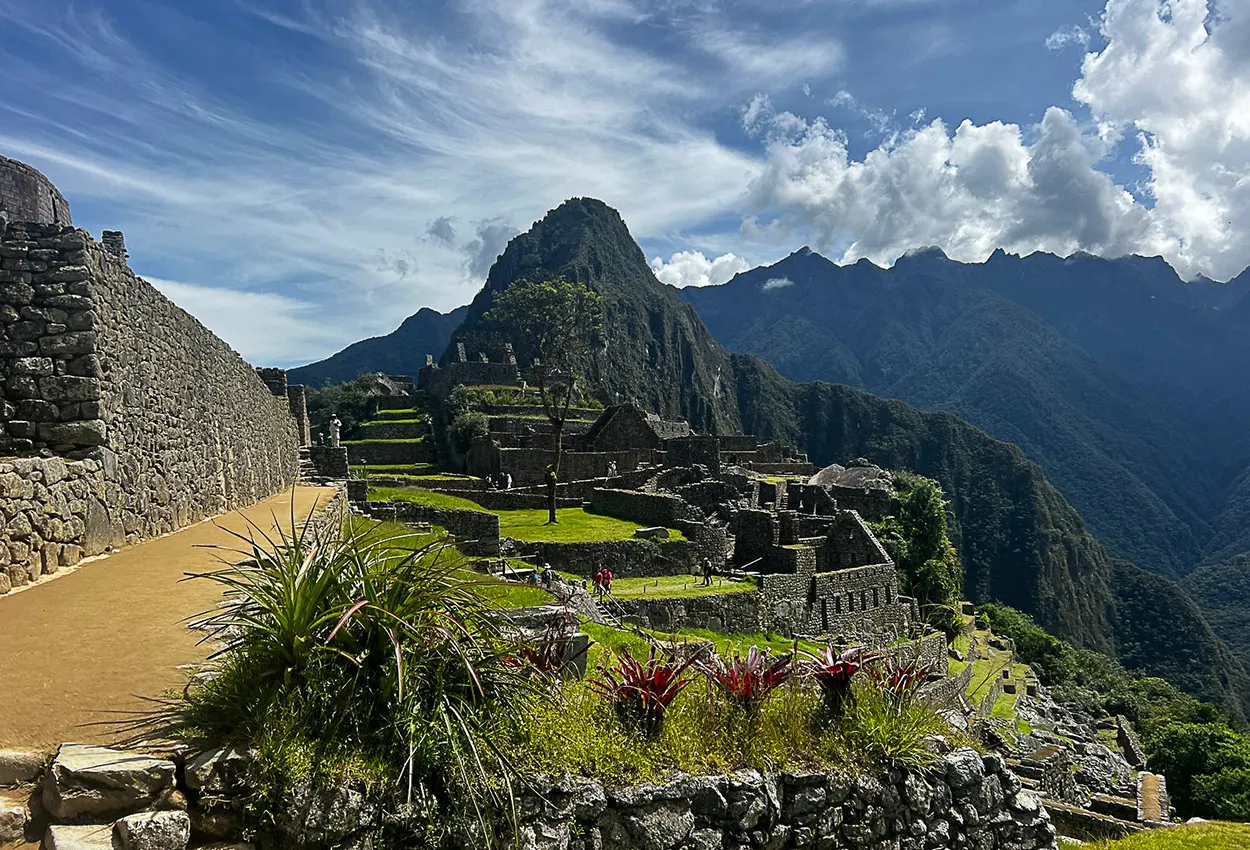
Peru is a land where ancient civilizations meet breathtaking natural beauty. Travelers come from all over the world to see Machu Picchu, explore the Sacred Valley of the Incas, and walk the vibrant streets of Cusco. But beyond the famous landmarks, Peru offers a cultural depth, warm hospitality, and living traditions that make every journey unforgettable.
Whether you are planning a trekking adventure, a cultural immersion, or a spiritual retreat with plant medicine ceremonies, Peru invites you to connect with both its landscapes and its people. Preparing well before your trip will help you get the most out of your experience.
Entry Requirements and Documents for Peru
Before traveling to Peru, make sure your travel documents are in order:
- Passport: Valid for at least 6 months beyond your planned departure date.
- Visa: Many nationalities (including U.S., Canada, EU, Australia) do not need a visa for stays of up to 183 days. Always check your specific country’s requirements.
- Entry card: Upon arrival, you may be asked to complete a traveler’s entry card. Keep it safe until your departure.
Tip: Make copies of your passport, travel insurance, and flight itinerary in case of loss.
Best Time to Travel to Peru
Peru has diverse climates depending on the region:
- Highlands (Cusco, Sacred Valley, Machu Picchu): Best visited in the dry season, from May to September, with sunny days and cool nights. The rainy season runs from November to March.
- Amazon Jungle: Warm and humid year-round. Expect heavy rains from December to March.
- Coastal Lima: Sunny and dry from December to April, cooler and overcast from May to October.
If you are planning to hike the Inca Trail or visit high-altitude regions, the dry season offers the clearest weather, but it is also the busiest.
Health and Safety Tips in Peru
- Altitude: Cusco sits at 3,400 meters (11,150 ft). Altitude sickness is common, especially if you fly directly from sea level. Take it easy your first day, drink coca tea, and stay hydrated.
- Vaccinations: No mandatory vaccines for most travelers, but if visiting the Amazon, yellow fever and malaria precautions are recommended.
- Travel insurance: Highly advised for health, trip cancellations, and adventure activities.
- Water safety: Drink bottled or filtered water. Avoid tap water, ice, and uncooked street food.
Money and Currency in Peru
The currency in Peru is the Nuevo Sol (PEN).
- ATMs are widely available in cities and tourist towns.
- Credit cards are accepted in hotels, restaurants, and shops in larger towns
- Always carry small bills, 100 USD bill usually is not accepted.
Tip: Exchange a small amount of cash at the airport, but better rates are found in Cusco or Lima.
Language in Peru
The official language is Spanish, and in the Andes. You’ll also hear Quechua, the language of the Incas. English is spoken in many hotels, tourist agencies, and restaurants, but learning a few Spanish and Quechua phrases will enrich your experience:
- “Gracias” – “Añay” (Thank you)
- “Buenos días” – “Allillanchu” (Good morning)
Packing Essentials for Peru
What to pack depends on the season and regions you’ll visit, but here are the basics:
- Layers: Temperatures vary greatly from day to night. A mix of light clothing, warm sweaters, and a waterproof jacket is essential.
- Comfortable shoes: Trekking shoes for hiking, sandals for warmer regions.
- Sun protection: Hat, sunglasses, and high SPF sunscreen (UV rays are strong at high altitudes).
- Rain gear: Poncho or rain jacket if traveling during the rainy season.
- Daypack: For day trips, water, and snacks.
- Reusable water bottle: To stay hydrated sustainably.
- Power adapter: Peru uses 220V, and plugs are usually types A and C.
Food and Drink in Peru
Peruvian cuisine is world-famous and incredibly diverse:
- Try ceviche on the coast, alpaca steak in the Andes, and Amazonian dishes like juane and tacacho.
- Don’t miss pisco sour, Peru’s national cocktail.
- In the Sacred Valley, markets are full of fresh fruits, quinoa, corn, and potatoes.
Tip: If you have a sensitive stomach, avoid fresh salads first days, drink only bottled water alaways.
Cultural Etiquette in Peru
- Greetings: A handshake is common. Among friends, a single kiss on the cheek is typical.
- Respect traditions: If invited to a local ceremony or home, show gratitude and participate respectfully.
- Photography: Always ask before taking photos of people, especially in markets. Some may request a small tip.
Transportation in Peru
- Domestic flights: Fast and convenient for long distances (Lima–Cusco).
- Trains: Scenic routes to journey Machu Picchu (PeruRail or IncaRail).
- Buses: Comfortable long-distance buses connect cities and towns. Choose reputable companies.
Taxis: Use official taxis or rideshare apps in Lima. Always agree on the price before starting.
Special Experiences in Peru
- Machu Picchu tour: The highlight of most trips. Tickets sell out months in advance – reserve early.
- Sacred Valley tour: Explore Pisac, Ollantaytambo, and Chinchero, rich in culture and landscapes.
- Lake Titicaca tour: Visit the floating Uros Islands and Taquile Island.
- Amazon Rainforest tour: Stay in jungle lodges near Puerto Maldonado or Iquitos.
- Spiritual retreats: Many visitors come for ayahuasca or San Pedro (Wachuma) ceremonies, guided by experienced shamans. Pumadventures offers safe and authentic experiences in Chinchero and the Sacred Valley.
Traveling to Peru is an immersion into a land of powerful traditions, natural wonders, and warm people. At Pumadventures, we believe that journeys in Peru should bring you closer to yourself. From cultural tours and outdoor adventures to spiritual retreats, we are here to guide you every step of the way.