Role of the Shaman in Ayahuasca Ceremonies in Peru
 By PumAdventures
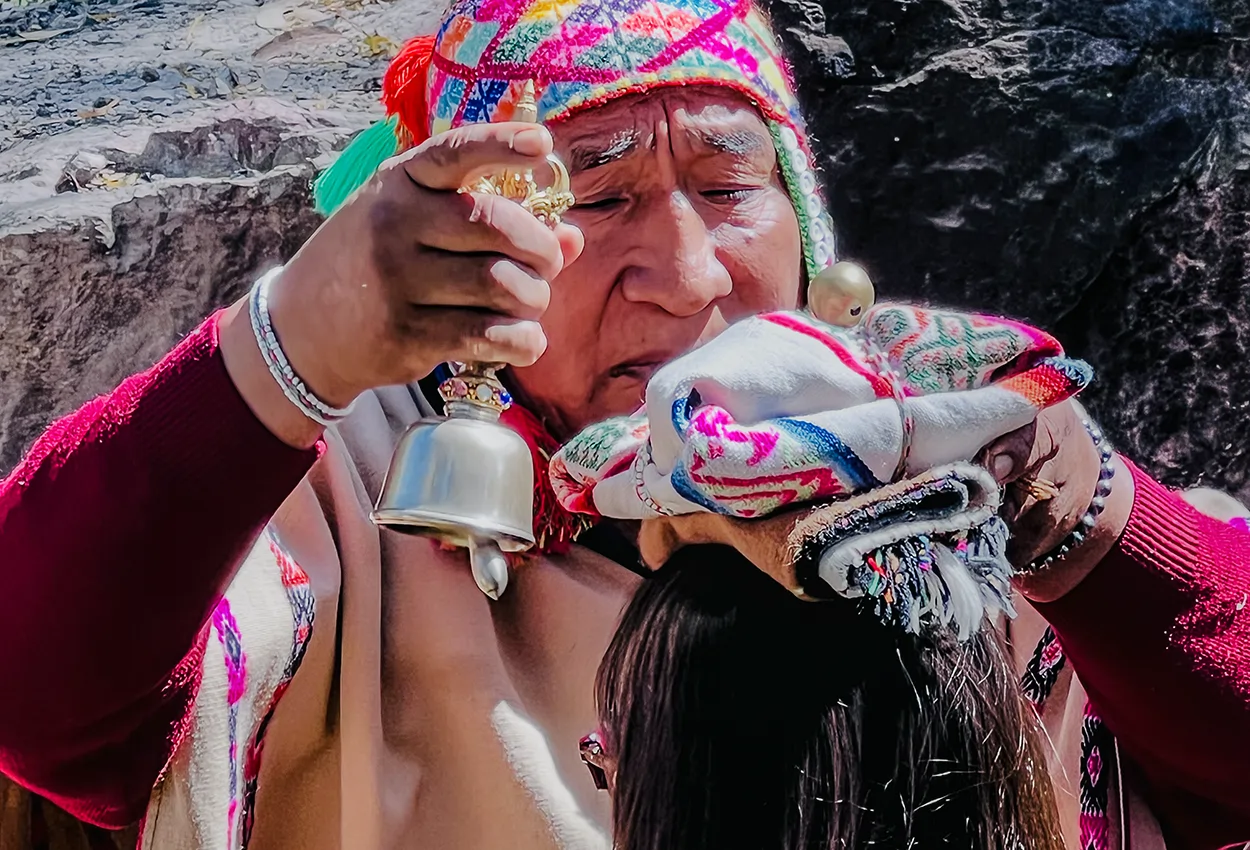
Ayahuasca rituals in Peru are directed not by coincidence or improvisation. The shaman, sometimes called a curandero, ayahuasquero, or medicine carrier, lies at the center of every conventional ritual. Their contribution extends well beyond merely administering the medicine. The shamans act as guardians of the ritual area, pathfinders through modified states of consciousness, and bridges connecting ancient wisdom with the participant’s own internal process.
Anyone wanting a safe, real, and significant experience must first grasp the shaman’s position in Ayahuasca ceremonies in Peru. In conventional environments, the quality of the ritual mostly relies on the experience, honesty, and attendance of the shaman leading it.
The article investigates who the Ayahuasca shaman is, how they are trained, what they perform before, during, and after the ritual, and why their function is essential—especially in Peru.
The quality of an Ayahuasca ceremony depends largely on the guidance behind it.
If you are seeking a traditional and responsibly guided Ayahuasca ceremony in Cusco, our ceremonies are led by experienced shamans who honor ancestral knowledge, participant safety, and conscious integration.
👉 Explore our Ayahuasca ceremonies in Cusco
Who Is an Ayahuasca Shaman?
An Ayahuasca shaman is neither only a facilitator nor a spiritual mentor. Shamans in Peruvian beliefs are those who have spent many years—often decades—gaining knowledge of the medicine via direct experience, mentorship, and rigorous study.
Traditionally, shamans come from native lines in the Andes or Amazon where for millennia Ayahuasca has been employed for healing, diagnosis, and spiritual direction. Their knowledge comes from real experience, strict diet, and oral tradition from elders rather than from books.
A true Ayahuasca shaman understands:
- The preparation and energetic properties of the medicine
- The psychological and emotional processes it activates
- How to protect and hold ceremonial space
- How to guide participants through challenging experiences

The Cultural Roots of Shamanism in Peru
The nation of Peru is an exception in comparison to others; there, you have the duality of amazonian and andean/spiritual practices, this has influenced ayahuasca ceremonies so that they can contain both of these aspects of spiritual practice.
Essentially, shamanism in the Amazon is strongly oriented around plant spirits and the use of sacred songs (Icaros) as the primary way that shamans heal. By contrast; in Andean-type ceremonies, there is more of a focus on grounding through Pachamama (Mother Earth) and balance between the cosmos and earth.
The core underlying principle of shamans from either lineage is about service, responsibility, and humility.
Ayahuasca Retreats Cusco
Ayahuasca Retreat 1 Day Cusco
Experience a traditional Ayahuasca retreat in Cusco guided by experienced shamans in a safe, respectful, and authentic environment.
Book Ayahuasca Retreat Cusco2-Day Ayahuasca Retreat Cusco
This 2-day Ayahuasca retreat in Cusco is a carefully guided experience created for those seeking deeper healing, clarity, and spiritual connection.
Book NowHow Shamans Are Trained in Peru
Becoming an Ayahuasca shaman is a long and demanding process. Training traditionally includes years of dietas—periods of isolation, fasting, sexual abstinence, and ingestion of specific plants under strict guidance.
These diets are not symbolic; they are transformative processes through which the shaman learns to:
- Develop sensitivity to energy
- Communicate with plant intelligence
- Strengthen emotional and psychological stability
- Cultivate discipline and clarity
In Peru, authentic shamans do not self-proclaim their role. Recognition comes from elders, lineage holders, and community trust built over time.
The Shaman’s Role Before the Ayahuasca Ceremony
The shaman’s work begins long before the ceremony itself.
Preparation of the Medicine
The preparation of the Ayahuasca medicine is traditionally done by a skilled Shaman. The preparation of Ayahuasca involves a combination of praying, setting intentions and knowing how to mix the plants in precise amounts as well as knowing the proper cooking time. The Shaman’s energy will be reflected in the energy of the Ayahuasca medicine as that Shaman’s intention is put into the making of the brew.
Screening and Guidance
Responsible shamans ensure participants are physically and psychologically prepared. This includes:
- Reviewing medical and mental health information
- Explaining dietary and behavioral guidelines
- Setting expectations about the ceremony
This step is crucial for safety and trust.

Holding the Ceremonial Space
A primary responsibility of the shaman is maintaining a sacred space. Keeping the environment in which participants experience the process to feel safe, supported and guided through their experiences.
The ceremonial space consists of physical as well as non-physical attributes. Through ritual, prayer, and presence the shaman will create a safe zone for the participant. The shaman sets energetic boundaries so that the participant may access their inner world safely.
The Shaman’s Role During the Ayahuasca Ceremony
During the ceremony, the shaman acts as a navigator of altered states. Ayahuasca can open intense emotional, psychological, and spiritual experiences, and the shaman’s guidance is essential in these moments.
Use of Icaros and Sacred Sounds
In Amazonian traditions, shamans use icaros—sacred songs learned during diets—to guide the experience. These songs are believed to:
- Direct the energy of the medicine
- Cleanse emotional and energetic blockages
- Protect participants during vulnerable states
The shaman intuitively adjusts the songs based on what is happening in the room.
Energetic and Emotional Support
A participant may experience many things along their journey, including fear, confusion, emotional release, and/or physical purging. The shaman is there to observe and to intervene if necessary (by song, breath, touch with consent, and/or grounding). The presence of the shaman will help ensure the participant knows that whatever they are experiencing is part of their journey.
Protecting Participants During Challenging Experiences
Not all Ayahuasca experiences are pleasant. Difficult emotions or visions can arise, especially when deep trauma or resistance surfaces.
A skilled shaman knows how to:
- Calm overwhelming experiences
- Ground participants back into their bodies
- Re-establish emotional safety
- Prevent psychological destabilization
This protective role is one of the main reasons why Ayahuasca should never be consumed without experienced guidance.
The Shaman’s Role After the Ceremony: Integration
The ceremony does not end when the effects of Ayahuasca fade. Integration is a critical part of the process, and shamans play an important role here as well.
After the ceremony, shamans may:
- Help interpret visions and insights
- Offer guidance on emotional processing
- Provide grounding advice for daily life
- Recommend post-ceremony practices
In Peru, integration is often approached with simplicity and humility, emphasizing patience and self-care.
Shaman vs Facilitator: Understanding the Difference
Ceremony leaders are not restricted to the role of ceremony leaders; not all persons who lead a ceremony are considered ceremonial shamans if they assist with transportation of medicine and ceremonial supplies, help keep the safety of participants, and assist participants ease into the experience.
After a clearer understanding of these roles, the participant will have an opportunity to make an informed decision as to who creates and prepares the medicine used in the ceremony. An accountable retreat will inform participants who is administering the medicine and leading the ceremony.

How to Choose a Responsible Ayahuasca Shaman in Peru
Choosing the right shaman is one of the most important decisions a participant can make.
Key indicators of a responsible shaman include:
- Clear lineage or training background
- Emphasis on safety and preparation
- Transparency about risks and contraindications
- Humility rather than grand claims
- Respect for participants’ boundaries
Avoid shamans who promise guaranteed healing, instant enlightenment, or dramatic results.
The Shaman’s Ethical Responsibility
In traditional Peruvian contexts, shamans carry a strong ethical responsibility. They are entrusted with the emotional and psychological well-being of participants.
Ethical shamans:
- Maintain clear boundaries
- Avoid exploitation or manipulation
- Prioritize participant safety over profit
- Respect cultural traditions
Ethics are just as important as experience.
Ayahuasca Shamans in Cusco and the Sacred Valley
In the Sacred Valley and Cusco, the Ayahuasca ceremonies mix both the Amazonian medicines and Andean spiritualities. The shamans of the area have experience in guiding international participants through ceremonies and can prepare ceremonies with high altitude adaptations.
Cusco provides a unique and rich environment for individuals seeking both ancestral traditions and accessible means to experience these traditions.
Final Thoughts: The Shaman as Guardian of the Medicine
In Peru, healing is not brought about through shamans but through the natural world, medicines, and a person’s inner work. The shaman’s job is to assist and provide guidance, protection, and support for this process, acting with wisdom, humility, and accountability. Learning the role of the shaman prior to participating in an Ayahuasca ceremony lays the framework for participants to come into the experience with an attitude of respect, discrimination, and faith; therefore creating a safe and meaningful experience.