Cusco and Sacsayhuaman: The Temple of Lightning and the Head of the Puma
 By
Noqan Kani
By
Noqan Kani

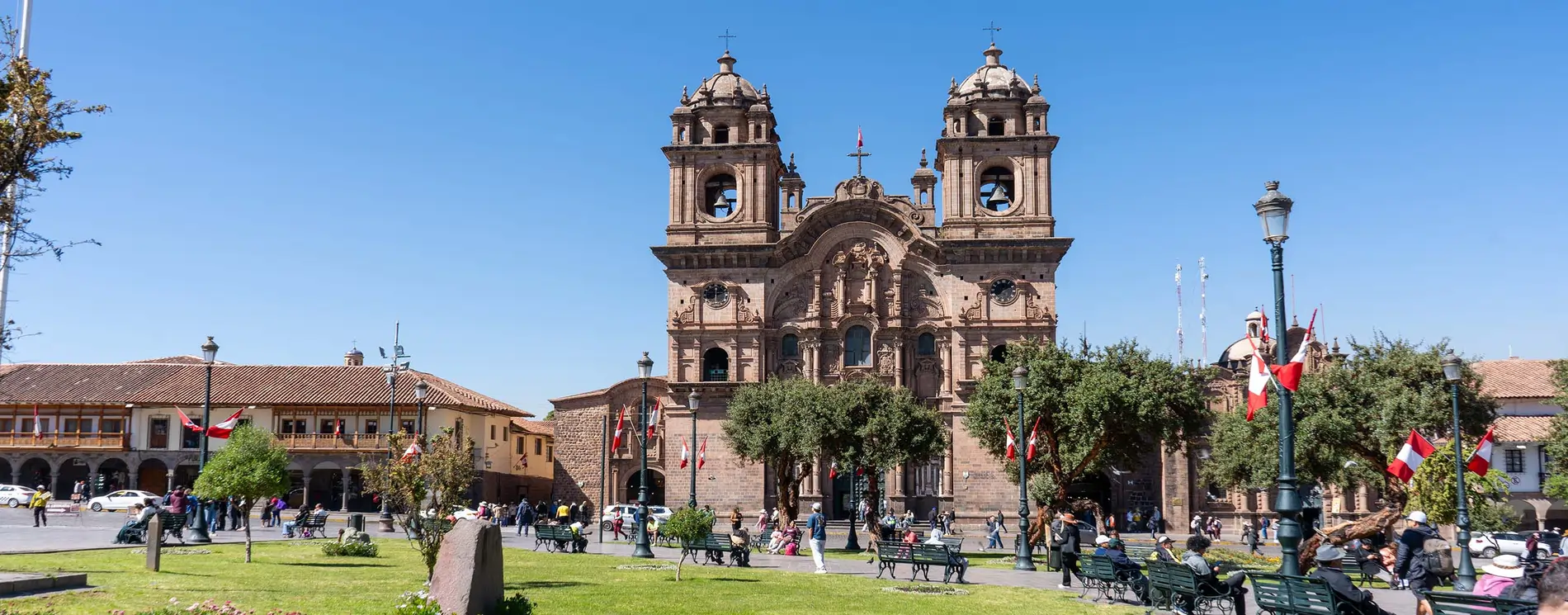
High in the Peruvian Andes lies Cusco which is still today the living heart of Andean culture and also was once the radiant capital of the Inca Empire. Because of how they do walk through all of its cobblestone streets, many of the travelers wonder just why: Why was Cusco then called “the navel of the world”? It was for the Incas the center of their enormous universe and it was the point at which sacred energy lines did converge. It served as their spiritual and political core.
Sacsayhuaman rises up from just above the city and also is one of the planet’s most extraordinary monuments. Often visitors ask: what does Sacsayhuaman mean? Some do say “satiated falcon,” other folks suggest it means “speckled or jagged head.” Its name now carries the same air of mystery as its enormous stones, whatever the origin.
Many describe Sacsayhuaman as a fortress because of its immense walls and commanding bastions, it was also a sacred temple. Archaeological studies reveal hidden chambers, underground tunnels, and ritual baths where water once flowed in ceremonial rites. Early chronicles speak of a towering circular structure – an enormous multi-level construction that may have served both as a watchtower and a temple. The entire complex was consecrated to Illapa, the god of lightning, and its massive zigzagging walls are believed to represent bolts of lightning striking from the heavens, transforming the site into a cosmic temple carved in stone.
Cusco was designed in the sacred shape of a puma, symbol of strength with wisdom, also the most powerful part of the city was Sacsayhuaman, which formed its head. Each curve and block was located deliberately because it held spiritual meaning and practical purpose.
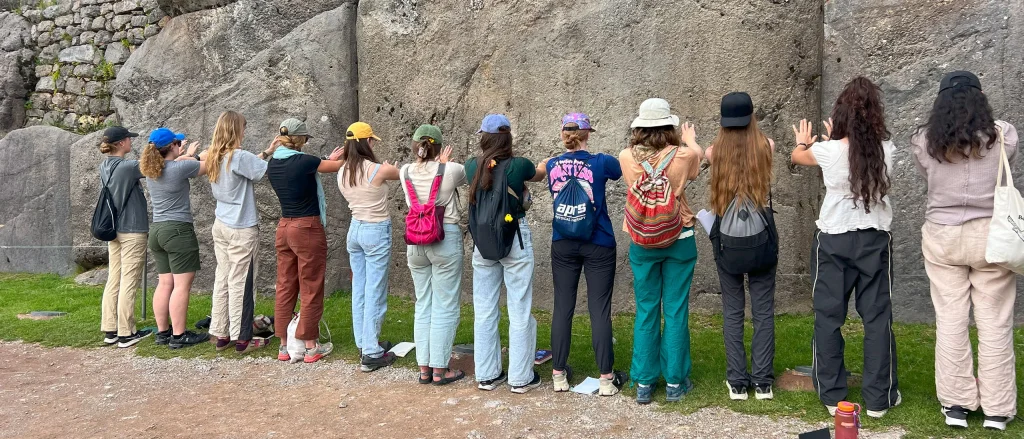
The massive stones of Sacsayhuaman do remain as a great marvel. It is just one of Inca’s truly greatest of all achievements. They do fit together in a precise way that no mortar was ever needed for them yet some weigh over a hundred tons. The walls do still stand quite firm after centuries during which earthquakes locked in silent perfection.
To tread these stones exceeds history for travelers today. There we feel a deep connection from earth to sky, from the human heart to the spirit of the Andes. The silence is accompanied by the wind across the plateau as well as by the Apus’ presence to create an atmosphere alive with energy.
Cusco as well as Sacsayhuaman remind all of us of just a worldview. Within that worldview, nature, humanity, and cosmos are one. Visiting is admiring ingenuity of old and it also welcomes accord with the Andes’ vital pulse.
You can explore Cusco and Sacsayhuaman when you want this deep connection through your journey. Walking these ancient paths with sacred knowledge and reverence is a step into the timeless – an experience far beyond a simple journey through history.