Holistic Healing Peru: Your Complete Guide to Transformation in the Sacred Valley
 By PumAdventures
You feel it, don‘t you?
A quiet hum beneath the surface of your daily life. A whisper that your body is tired, your mind is cluttered, and your spirit… your spirit is hungry for something real. You have tried the therapy sessions, the meditation apps, the self‑help books. They offered glimpses, but not the deep reset you’re searching for.
That persistent call is what brings thousands of seekers to Peru every year. But you are not looking for a vacation. You are not looking for a tourist attraction. You are looking for Holistic Healing Peru—a complete, integrated approach to wellness that addresses not just your symptoms, but the root of your suffering. You‘re looking for a place where the ancient wisdom of the Andes and the Amazon converge to offer a path back to your most authentic, healed self.
Welcome. This guide will walk you through exactly what holistic healing in Peru means, how plant medicines like Ayahuasca and San Pedro (Wachuma) work, what to expect from a retreat center in the Sacred Valley, and—most importantly—how to take the next step with confidence and safety.
Let’s begin.
What Is Holistic Healing? A Complete Approach to Wellness
Before we dive into the specifics of Peru, let‘s define our terms. Holistic healing is not a buzzword. It’s a fundamental philosophy that recognizes the profound interconnection between your mind, body, and spirit.
Traditional Western medicine often treats symptoms in isolation. A headache is a neurological issue. Depression is a chemical imbalance. But holistic healing understands that your physical discomfort might be rooted in emotional pain, and your spiritual disconnection might manifest as chronic fatigue.
Holistic care supports the body through evidence‑based strategies like nutrition, movement, sleep, and hydration. Research shows that regular physical activity reduces the risk of chronic diseases and improves immune and cardiovascular health, making it a cornerstone of long‑term wellness. But holistic healing goes further, incorporating practices that address the energetic and spiritual dimensions of your being.
In the context of Peru, holistic healing means:
- Honoring the wisdom of indigenous traditions that have understood the mind‑body‑spirit connection for millennia.
- Working with sacred plant medicines like Ayahuasca and San Pedro to access deep states of healing and insight.
- Integrating supportive practices such as yoga, meditation, breathwork, energy cleansing, and nutritional guidance.
- Creating a sacred container—a safe, held space where transformation can unfold at its own pace, guided by experienced healers.
At its heart, holistic healing is about remembrance. It is about remembering that you are not broken. You are not a problem to be solved. You are a whole being who has simply forgotten your wholeness. The journey to Peru is a journey of remembering.
Our Ayahuasca Retreats Cusco – Peru
Ayahuasca Retreat 1 Day Cusco
Experience a traditional Ayahuasca retreat in Cusco guided by experienced shamans in a safe, respectful, and authentic environment.
Book Ayahuasca Retreat 1 Day2-Day Ayahuasca Retreat Cusco
This 2-day Ayahuasca retreat in Cusco is a carefully guided experience created for those seeking deeper healing, clarity, and spiritual connection.
Book 2-Day Ayahuasca RetreatSan Pedro Wachuma Ceremonies Cusco
San Pedro Wachuma Ceremony in Cusco
A San Pedro Wachuma ceremony in Cusco is not just an experience — it is an invitation to reconnect with your heart, with nature, and with your authentic self.
Book Wachuma Ceremony in CuscoWhat Is San Pedro Wachuma?
The San Pedro cactus (Wachuma) is a revered medicinal plant from the Andes which embodies an extensive cultural history of spiritual connection to people.
Read ArticleWhy Peru Is the World’s Greatest Holistic Healing Destination
Many countries offer wellness retreats. But none hold the spiritual and medicinal power of Peru.
The Andes: Land of the Apus
The Sacred Valley of Cusco is not just a beautiful landscape. In Andean cosmology, the towering mountains—the Apus—are living, sentient spirits. They are guardians, teachers, and powerful allies in the healing process. When you sit in ceremony here, you sit in the presence of these ancient entities, who have been receiving prayers and offerings for thousands of years.
The altitude of the Andes (over 9,000 feet in the Sacred Valley) also brings a unique clarity. Many who travel here report feeling mentally sharper, more present, and more open to spiritual experience. The energy of the land itself supports your healing.
The Amazon: Birthplace of Plant Medicine
The Peruvian Amazon is the undisputed heartland of Ayahuasca and master plant dietas. Indigenous cultures—especially the Shipibo‑Konibo—have developed an extraordinarily sophisticated science of plant‑spirit medicine over centuries. For them, illness is not merely a biological malfunction but often a spiritual imbalance or the intrusion of a negative energy. Plant medicines are the tools to restore harmony.
When you come to Peru for holistic healing, you are stepping into an unbroken lineage of wisdom. This is not a modern invention. It is an ancient tradition that continues to heal people today.
The Convergence of Traditions
What makes Peru truly unique is the convergence of two great healing traditions: the Andean (focused on the Apus, Pachamama, and the heart‑opening San Pedro cactus) and the Amazonian (focused on the deep, subconscious journey of Ayahuasca and master plant dietas). No other place on Earth offers this integration of high‑mountain and low‑jungle medicine.
At PumAdventures, we are honored to be family‑led practitioners rooted in these ancient traditions. Our team of experienced medicine women and men have dedicated their lives to holding sacred space in the heart of the Sacred Valley.
The Three Pillars of Holistic Healing in Peru
When you book a holistic healing retreat with PumAdventures, you are not just drinking a cup of bitter brew and hoping for the best. Your journey will be supported by three integrated pillars.
Pillar 1: Sacred Plant Medicine
Ayahuasca – The Vine of the Souls
Ayahuasca is a powerful decoction made from the Banisteriopsis caapi vine and the Psychotria viridis leaf. It is known as the “vine of the souls” because it takes you on a deep, often intense inward journey to confront the shadows, traumas, and patterns that keep you stuck.
During an Ayahuasca ceremony, the medicine works on multiple levels. Physically, it often induces a purge (la purga)—vomiting, crying, or sweating—which releases stored toxins and negative energies. Emotionally, it brings buried feelings to the surface for processing. Psychologically, it quiets the overactive Default Mode Network (DMN) of the brain, allowing you to break free from ruminative loops of anxiety and depression. Spiritually, it can offer profound visions, insights, and a sense of connection to something greater than yourself.
Modern research has begun to validate what shamans have known for centuries. Studies have shown that the tryptamine DMT—the psychoactive component of Ayahuasca—promotes neuritogenesis, the growth of new neural connections. This property suggests the therapeutic potential of Ayahuasca may extend to other pathologies where neuronal plasticity is compromised, such as neurodegenerative diseases.
Furthermore, a 2025 systematic review reported that Ayahuasca treatment increases BDNF (a neuroplasticity marker) and correlates with a reduction in depressive symptoms. Long‑term Ayahuasca users show preserved cognitive function and improved memory, as well as altered emotional brain reactivity and increased psychological resilience.
In other words, Ayahuasca doesn’t just make you feel better temporarily. It actually helps rewire your brain for lasting change.
San Pedro (Wachuma) – The Heart‑Opening Cactus
San Pedro, or Wachuma, is a sacred cactus that has been used in Andean healing ceremonies for over 3,000 years—predating even the Inca Empire. Unlike the inward, dark‑night journey of Ayahuasca, San Pedro is a daytime medicine, often taken outdoors in the warmth of the sun, surrounded by the beauty of the Sacred Valley.
The experience of San Pedro is described as gentle, loving, and expansive. It opens the heart, connects you to nature (Pachamama), and offers profound emotional healing without the intensity of a full ego dissolution. A 2023 study on ceremonial San Pedro use found that the experience is characterized by low levels of disembodiment, anxiety, and impaired control, and relatively higher levels of physical distress and grief only in incidental challenging experiences.
Ayahuasca and San Pedro are often combined in a retreat setting, with San Pedro serving as a gentle opening before the deeper work of Ayahuasca.
Pillar 2: Ancestral Andean Rituals
Plant medicine is powerful, but it is not the whole story. Holistic healing in Peru also includes a rich tapestry of complementary rituals.
- Coca Leaf Reading: A traditional divination practice in which an Andean master reads the coca leaves to understand your current energetic state, your intention, and the guidance the Apus have for your journey.
- Offering to Pachamama (Despacho): A sacred ceremony of gratitude and reciprocity, offering gifts to Mother Earth to ask for permission to heal on her land, to give thanks, and to restore balance.
- Energy Cleansing: Shamans use techniques such as sweeping with bundled herbs, blowing mapacho (sacred tobacco) smoke, and working with stones and crystals to clear stagnant or negative energy from your body and auric field.
- Munay Ki Rites: Ancestral initiatory rites from the Q‘ero community that activate your energy body, provide energetic protections, and help connect your heart and mind.
These rituals prepare the energetic container for your plant medicine experiences and help you integrate the insights afterward.
Pillar 3: Modern Supportive Therapies
Your body and mind also need practical, grounding support. Holistic healing retreats in the Sacred Valley often include:
- Yoga and Meditation: Daily sessions to ground your energy, calm your nervous system, and prepare your mind for ceremony.
- Breathwork: Techniques to regulate your nervous system and access altered states of consciousness.
- Sound Healing: The healing vibrations of singing bowls, rattles, and drums to harmonize your energy.
- Nutritional Guidance: A dieta (clean diet) before, during, and after ceremonies to prepare your body to receive the medicine.
- Integration Circles: Facilitated group discussions to process your experiences and support lasting change.
When you combine these three pillars—plant medicine, ancestral rituals, and modern supportive therapies—you create a truly holistic healing container that addresses every level of your being.

The Science of Ancient Healing
Some people worry that holistic healing is “woo‑woo” or unscientific. In fact, modern research is rapidly catching up to what indigenous traditions have always known.
Neuroplasticity and the Default Mode Network
One of the most exciting findings in psychedelic research is the effect of Ayahuasca on the Default Mode Network (DMN). The DMN is a network of brain regions that is most active when you are not focused on the outside world—when you are daydreaming, ruminating, worrying about the future, or replaying past events. In conditions like depression and anxiety, the DMN is overactive, trapping you in loops of negative self‑talk.
Psychedelic medicines like Ayahuasca temporarily quiet the DMN, essentially rebooting the brain. This creates a unique window of neuroplasticity—the brain’s ability to form new neural connections. Within this window, old, rigid patterns can be broken, and new, healthier patterns can be established.
BDNF and Neuronal Growth
The tryptamine DMT has recently been categorized as a “psychoplastogen,” able to promote structural and functional neuroplastic changes in cortical cell cultures. Ayahuasca treatment increases brain‑derived neurotrophic factor (BDNF), and this increase correlates with a reduction in depressive symptoms.
Psychological Resilience
Long‑term Ayahuasca use has been associated with preserved global cognitive function, improved memory, and altered emotional brain reactivity that increases psychological resilience. These are not temporary effects; they suggest that regular, ceremonial use of these medicines can produce lasting positive changes in how your brain functions.
The Placebo Factor
It‘s also worth noting that holistic healing activates what researchers call “faith‑based healing factors”—the placebo effect, Hawthorne effect, and spiritual beliefs. While these have been sidelined from mainstream medical practice, modern science is beginning to unravel how they promote positive healing responses. When you participate in a ceremony with deep intention and surrounded by a supportive community, your own belief in the process becomes a powerful ally in healing.
In other words, the science supports what the shamans have always known: these medicines work, and they work at a biological, psychological, and spiritual level simultaneously.
What Does a Holistic Healing Retreat in Peru Include?
Now let‘s get practical. You are here to learn, but you are also here to decide. What can you expect when you book a retreat with PumAdventures?
A Typical Week‑Long Holistic Healing Retreat
Here is a sample schedule for a 7‑day retreat in the Sacred Valley:
| Day | Morning | Afternoon | Evening |
| Day 1 – Arrival | Private transfer from Cusco airport to the retreat center | Welcome orientation, intention‑setting, and a Coca Leaf Reading with an Andean master | Light dinner, rest, and preparation for the journey |
| Day 2 – Preparation | Gentle yoga and meditation | Workshop on the dieta and the history of Ayahuasca | Quiet personal time; no ceremony tonight |
| Day 3 – First Ayahuasca Ceremony | Rest and light breakfast | Integration circle to share insights and ask questions | Ayahuasca Ceremony (4‑6 hours) led by an experienced shaman |
| Day 4 – Integration | Restorative yoga and breathwork | Nature walk in the Sacred Valley; private journaling time | Guided meditation and sound healing |
| Day 5 – San Pedro (Wachuma) Ceremony | Light breakfast; intention setting | San Pedro Ceremony (8‑10 hours) outdoors in the Sacred Valley, with an Offering to Pachamama | Light dinner early; early rest |
| Day 6 – Deep Integration | Integration circle and group sharing | Personal healing sessions (optional: energy cleansing, massage, or additional plant dieta consultation) | Closing ceremony and gratitude circle |
| Day 7 – Departure | Final Integration Circle and breakfast | Private transfer back to Cusco airport | Continue your journey home |
What’s Included in Your Investment
When you price out holistic healing Peru retreats, you will see a wide range. Here is what PumAdventures includes in our all‑inclusive packages:
- Private round‑trip transportation from Cusco
- Comfortable accommodations (private or shared rooms)
- All meals (clean, dieta‑friendly, vegetarian options available)
- 2‑3 Ayahuasca ceremonies
- 1‑2 San Pedro (Wachuma) ceremonies
- 1 Coca Leaf Reading
- 1 Offering to Pachamama ceremony
- Daily yoga, meditation, and breathwork
- Integration circles and one‑on‑one support
- Experienced, indigenous, family‑led shamans and facilitators
- Pre‑retreat preparation guide and post‑retreat integration support
Typical pricing for a 7‑day all‑inclusive retreat ranges from 1,200to1,200to2,500 USD, depending on accommodation level and the number of ceremonies. This is significantly more affordable than similar retreats in the US or Europe, which can cost 3,000to3,000to6,000+ for less authentic experiences.
How to Choose a Safe Holistic Healing Retreat in Peru
Safety must be your number one priority. The growing popularity of plant medicine tourism has led to some concerning reports of unsafe or unethical practices. Here is how to choose a retreat center you can trust.
Red Flags to Avoid
❌ A shaman who promises “guaranteed results” or claims to offer a “cure” for everything.
❌ A leader who asks for sexual favors (authentic shamans have strict ethical codes).
❌ A center that allows you to drink Ayahuasca multiple nights in a row without a break (2‑3 ceremonies per week maximum is safest).
❌ No medical screening or pre‑retreat health questionnaire.
❌ Extremely cheap retreats (less than $500/week) – they often cut corners on safety.
❌ A “gringo shaman” with only weeks or months of training, rather than years of immersion in an indigenous lineage.
Green Flags to Look For
✅ Medical screening is mandatory, and staff asks about your physical and mental health history, medications, and contraindications.
✅ Experienced, indigenous shamans with a verifiable lineage (Shipibo, Q‘ero, or other recognized tradition).
✅ Small group sizes (usually 6‑12 participants) for personalized attention.
✅ Pre‑retreat preparation includes a detailed guide on the dieta and what to expect.
✅ Post‑retreat integration support is offered, including follow‑up calls or online integration circles.
✅ Positive reviews from former guests, and you can contact them directly.
✅ On‑site medical support or rapid access to a clinic in an emergency.
PumAdventures: Your Family‑Led Partner in Holistic Healing
At PumAdventures, we are a family‑led team of medicine women and men rooted in the ancient traditions of the Andes. We are rated “Excellent” with 4.7/5 on Trustpilot, and our guests consistently praise our professionalism, kindness, and deep knowledge. We are respected by the global shamanic community and are featured in directories such as the Shamans Directory.
When you choose PumAdventures, you are not just a customer. You are a guest of our family. We will walk with you every step of the way.
The Crucial Pre‑Retreat Preparation – The Dieta
The days and weeks before your retreat are just as important as the ceremonies themselves.
The Physical Dieta
For at least one to two weeks before your arrival, you will follow a clean, light diet:
| Avoid | Enjoy |
| Red meat, pork | Fresh vegetables |
| Spicy foods | Fruits (non‑fermented) |
| Processed sugar, salt, oil | Grains (rice, quinoa) |
| Caffeine, alcohol | Light proteins (fish, chicken) |
| Recreational drugs (including cannabis) | Herbal teas |
| Sex (excessive) | Rest and gentle movement |
The dieta is not a punishment. It is a way of preparing your body to be a clear vessel for the medicine. It also minimizes the risk of dangerous interactions with certain foods (such as fermented foods, which contain tyramine).
Medical Contraindications: Read This Carefully
Ayahuasca is absolutely contraindicated if you are taking SSRIs (antidepressants like Prozac, Zoloft, Lexapro). The combination can cause serotonin syndrome, which can be fatal. You must have stopped taking these medications for at least one month (and ideally longer) before attending a ceremony.
Other contraindications include:
- A personal or family history of psychosis or schizophrenia.
- Bipolar disorder (especially type I).
- Uncontrolled high blood pressure or serious heart conditions.
- Pregnancy or breastfeeding.
- Severe liver or kidney impairment.
San Pedro (Wachuma) has similar contraindications, including cardiovascular disease, epilepsy, severe mental health conditions, and the use of antidepressants or heart medications.
Always disclose your full medical history to the retreat center. At PumAdventures, we perform a thorough health screening for every guest. Your safety is our highest priority.
Mental and Emotional Preparation
Beyond the physical, prepare your mind.
- Set an intention. Write it down. Keep it simple and authentic.
- Meditate daily. Ten minutes of mindfulness can help you stay grounded during difficult moments in ceremony.
- Journal. Write about your fears, your hopes, and your expectations. This will be invaluable for integration later.
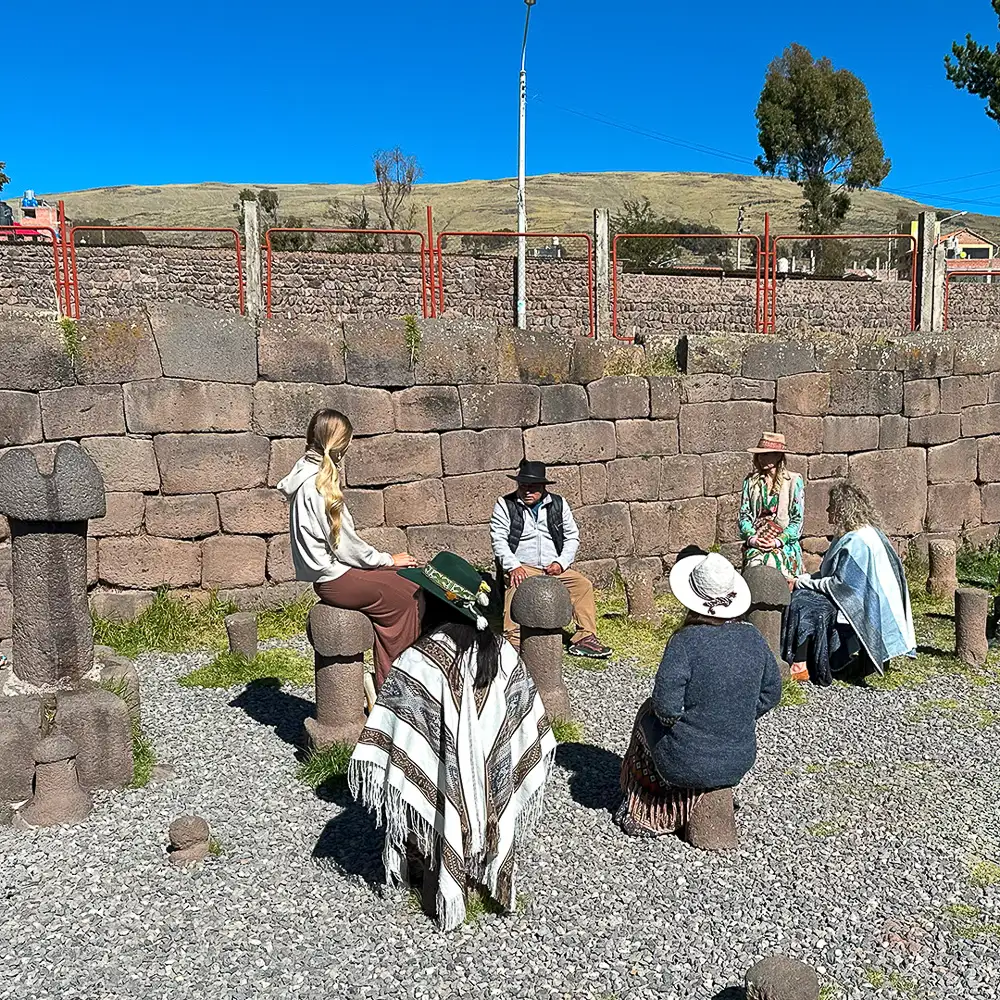
A Step‑by‑Step Walkthrough of a Ceremony in the Sacred Valley
If you have never sat in ceremony, the unknown can feel overwhelming. Let me walk you through what you can expect.
Your Ayahuasca Ceremony (Night)
- Setting: After dusk, you will gather in the maloca (ceremonial hut). Your mat, blanket, and bucket are in place.
- The Opening: The shaman opens the sacred space with prayers and mapacho (sacred tobacco) smoke. He or she begins to sing the first icaros – ancient healing songs that guide the energy of the ceremony.
- Drinking the Medicine: One by one, you approach the shaman, state your intention, and drink the thick, bitter brew.
- The Waiting: For about 30‑45 minutes, you may feel nothing. Then, subtle changes: colors brighten, sounds echo, your body feels heavy or tingly.
- The Journey: Then the visions begin. You may see geometric patterns, relive memories, or experience a sense of ego dissolution. If you feel the need to purge (vomit, cry, shake), do not hold back. This is la purga — the medicine expelling negative energy. The shaman continues singing icaros, guiding and protecting you.
- The Closing: As dawn approaches, the shaman closes the ceremony, sealing the energy of the space.
- The Morning After: You rest. A light breakfast is served. Then you gather for an integration circle to share your experience.
Your San Pedro (Wachuma) Ceremony (Day)
- Setting: You are brought to a beautiful outdoor location in the Sacred Valley – a riverside, a mountain lookout, or a private garden.
- The Opening: The ceremony may begin with a Coca Leaf Reading to understand your current state and guide the day‘s work. Then you participate in an Offering to Pachamama.
- Drinking: You drink the smooth, earthy brew of the San Pedro cactus.
- The Journey: Over the next 8‑12 hours, you remain lucid but deeply connected. You may walk in nature, meditate by a fire, or simply sit and take in the breathtaking Andean views. The experience is gentle, heart‑opening, and expansive. The shaman guides the journey with prayers, songs, and a watchful presence.
- Closing: The ceremony concludes with a sharing circle, allowing you to process the insights before returning to Cusco.
Integration – The Most Overlooked Step
The ceremonies are powerful, but the real work begins when you return home. Without integration, even the most profound experience can fade into a distant memory.
The First 30 Days: Your Window of Neuroplasticity
The brain remains highly malleable for about a month after a plant medicine ceremony. Use this window wisely:
- Journal daily. Write about your dreams, your moods, and any memories of your visions.
- Continue a clean diet for at least a week after (avoid alcohol, heavy foods, and overstimulation).
- Stay in nature. Walk, ground yourself, and reconnect with the simple peace of the natural world.
- Limit screen time and social media. The digital world can quickly pull you back into old patterns.
Seek Support
- Join an integration circle. Many online and in‑person groups exist for psychedelic integration.
- Work with a therapist who specializes in plant medicine integration.
- Stay connected with fellow retreat participants. You are not alone.
Build New Habits
Ayahuasca and San Pedro often reveal the habits that no longer serve you: excessive phone use, gossiping, overworking, numbing out with Netflix. Replace one old habit with one new one. Walk in nature, meditate, dance, or paint. Integration is where the healing becomes permanent.
At PumAdventures, we provide post‑retreat integration support, including online integration circles and access to our network of integration specialists.
Frequently Asked Questions (FAQ)
Is Ayahuasca legal in Peru?
Yes. Ayahuasca is completely legal for traditional and spiritual ceremonial use in Peru.
I am a beginner. Should I start with Ayahuasca or San Pedro?
For most beginners, San Pedro (Wachuma) is the gentler, more accessible introduction. Its daytime, heart‑centered nature makes it easier to navigate. However, if you feel a powerful call to the deep shadow work of Ayahuasca, our masters can guide you.
Can I do both medicines on the same retreat?
Yes. Many people choose to combine them, often starting with a San Pedro ceremony to open the heart before diving into the deeper work of Ayahuasca.
Will I lose my mind or act crazy?
No. Unlike alcohol, plant medicines generally leave you lucid. Most people lie quietly. The potential for psychological difficulty is exactly why you choose a safe, screened, and professionally facilitated center like PumAdventures, where you are never left alone.
What if I need to stop the ceremony?
You can signal a facilitator at any time. However, once you have drunk the medicine, you cannot “turn it off.” The only path is to surrender. Our masters are trained to use icaros to calm difficult energies and provide a supportive container.
How much does a holistic healing retreat in Peru cost?
A 7‑day all‑inclusive retreat typically ranges from 1,200to1,200to2,500 USD, depending on accommodation and the number of ceremonies. This is significantly more affordable than similar retreats in the US or Europe.
What is the age limit?
Participants must be at least 18 years old. There is no maximum age for those in good physical and mental health.
Can I come alone?
Yes. Many guests attend solo. You will be joined by a small group of like‑minded seekers, and our family‑led team will care for you like our own.
What happens if I don‘t speak Spanish?
No problem. PumAdventures has English‑speaking facilitators to ensure you are fully supported throughout your journey.
Do I need to have experience with meditation or yoga?
Not at all. The medicine is the teacher. You only need an open heart and a willingness to surrender.