Who Should Not Drink Ayahuasca? Complete Safety Guide Before an Ayahuasca Ceremony
 By PumAdventures
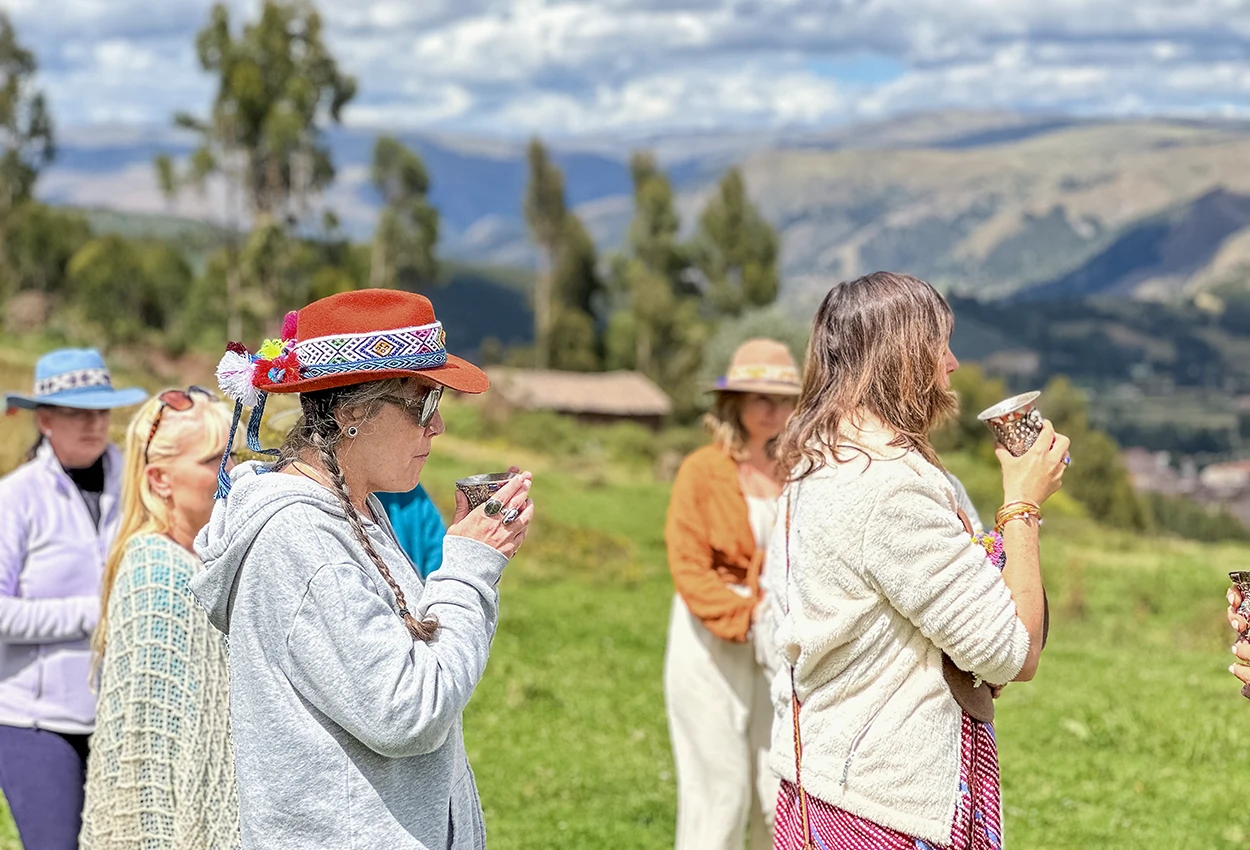
One of the most sought after types of spiritual experience in South America is ayahuasca; for many thousands of visitors, healing, gaining insight, and personal development are the reasons they visit Peru annually seeking this holy drink made from plants native to the Amazon rainforest.
Still, one very significant query is frequently ignored:
Whom ought not drink ayahuasca?
Though it is becoming more well known, Ayahuasca is not suitable for everyone. Actually, certain medical, psychological, and lifestyle disorders might render consuming ayahuasca hazardous even life-threatening.
This thorough safety manual covers:
- Who should avoid ayahuasca
- Medical contraindications
- Mental health risks
- Medication interactions
- Physical conditions that increase danger
- How to determine if you are eligible for a ceremony
If you are considering an ayahuasca ceremony in Peru, this article is essential reading.
Ayahuasca and San Pedro (Wachuma) Ceremonies Cusco
Ayahuasca Retreat 1 Day Cusco
Experience a traditional Ayahuasca retreat in Cusco guided by experienced shamans in a safe, respectful, and authentic environment.
Book Ayahuasca Retreat 1 DaySan Pedro (Wachuma) Ceremony Cusco
Awaken your spirit with San Pedro ceremonies, connecting with nature, ancient wisdom, and profound heart-opening spiritual experiences.
Book San Pedro Ceremony CuscoWhat Is Ayahuasca and Why Safety Matters
Ayahuasca is a traditional Amazonian plant medicine made from:
- Banisteriopsis caapi vine (contains MAO inhibitors)
- Psychotria viridis leaves (contains DMT)
The MAOI (monoamine oxidase inhibitor) component prevents the body from breaking down DMT, allowing the psychoactive effects to occur.
This interaction is powerful — and potentially risky.
Because Ayahuasca affects:
- The central nervous system
- Serotonin levels
- Blood pressure
- Heart rate
- Emotional regulation
It must be approached with medical and psychological caution.

Medical Conditions That Contraindicate Ayahuasca
One of the most important aspects of determining who should not drink ayahuasca is evaluating physical health.
Certain medical conditions significantly increase risk.
1. Heart Conditions and Cardiovascular Disease
The cardiovascular system is directly physiologically affected by ayahuasca. Participants usually have a raised heart rate, raised blood pressure, and greater sympathetic nervous system activation during ceremonies. Part of these reactions are attributable to the psychoactive effects of DMT and the MAO-inhibiting alkaloids found in Banisteriopsis caapi.
For those who are in good health, these transient variations are generally rather manageable. For someone with pre-existing heart disease, though, this stress reaction could become harmful.
Anyone with one of the following illnesses should stay clear of ayahuasca:
- Uncontrolled hypertension
- History of heart attack
- Arrhythmias (irregular heartbeat)
- Structural heart defects
- Congestive heart failure
- Aneurysms
- Previous stroke
The intense emotional catharsis often triggered during ceremony — including crying, shaking, fear release, or profound psychological breakthroughs — can further elevate blood pressure and cardiac demand.
In high-risk individuals, this combination could potentially lead to:
- Hypertensive crisis
- Cardiac arrhythmia
- Stroke
- Acute cardiac event
Because ceremonies often take place in remote jungle or mountain locations, emergency medical access may be limited. For this reason, individuals with known heart conditions should not participate without explicit cardiological clearance — and many responsible retreat centers will decline them entirely.
2. Severe Liver Disease
Metabolizing the alkaloids found in ayahuasca depends much on the liver. Before being expelled from the body, MAO inhibitors and DMT must be processed by hepatic pathways.
The body could have trouble metabolizing these compounds well if liver function is impaired. Prolonged effects, greater toxicity, and erratic physiological reactions can result from this.
Ayahuasca should be avoided by persons suffering from:
- Cirrhosis
- Advanced fatty liver disease
- Chronic hepatitis with elevated enzymes
- Liver fibrosis
- History of liver failure
Dehydration combined with diminished liver function presents another level of risk as ayahuasca ceremonies may span 6 to 8 hours (sometimes longer) and participants often purge (vomit).
Many individuals, it should be remembered, are not conscious of their mild liver dysfunction. Before joining, individuals with obesity, significant alcohol intake, or metabolic syndrome should think about medical testing.
3. Neurological Disorders
Ayahuasca dramatically changes how nerve signals operate. It improves serotonin receptor activation, lowers default mode network stiffness, and raises activity in particular brain networks.
People with steady neurological systems may find this lead to emotional processing and introspection. For those with seizure disorders or neurological instability, though, the changed neural excitation could bring seizure thresholds down.
Among the neurological diseases for which use is contraindicated are:
- Epilepsy
- History of seizures
- Traumatic brain injury
- Brain tumors
- Multiple sclerosis (advanced cases)
While there is limited formal research on ayahuasca and epilepsy, the lack of data does not equal safety. Until more evidence exists, precaution is strongly advised.
4. Pregnancy and Breastfeeding
Ayahuasca is absolutely contraindicated during pregnancy.
There is no clinical research evaluating:
- Fetal neurological development exposure
- Placental transfer of DMT
- Long-term developmental outcomes
- Impact of MAO inhibitors on fetal circulation
There are other risks associated with the ceremony’s physiological stress; for instance, through vomiting, fluctuating blood pressure, and emotional intensity, all apply to any participant. Women who are breastfeeding should also be aware of this fact regarding ayahuasca; there isn’t any verifiable evidence to support the safety of alkaloid passage through breast milk. Ethical retreat centres will not allow you to participate in ceremonies if you are pregnant or breastfeeding.

Psychological Contraindications (Expanded)
5. History of Psychosis
Ayahuasca alters how you perceive space, time and your identity and shifts the boundaries of those perceptions along with how your brain processes reality in a profoundly altered way. For individuals susceptible to psychosis, the use of ayahuasca can result in a severe mental breakdown of their mental structure.
The following conditions represent absolute contraindications against the use of ayahuasca:
- Schizophrenia
- Schizoaffective disorder
- Past psychotic episodes
- Strong family history of psychosis
Psychedelic substances may serve as a trigger for previously latent psychotic disorders. There are several individuals who have a genetic predisposition to developing psychotic symptoms.
In some cases, the use of ayahuasca has triggered:
- Persistent delusions
- Paranoia
- Hallucinations that do not resolve
- Long-term psychiatric destabilization
This is one of the most serious exclusions in ayahuasca screening protocols.
6. Bipolar Disorder (Especially Bipolar I)
Ayahuasca can dramatically elevate emotional states. For individuals with Bipolar I disorder, this emotional amplification may trigger mania.
Manic episodes can include:
- Reduced need for sleep
- Grandiosity
- Risk-taking behavior
- Impulsivity
- Psychotic features
Because ayahuasca ceremonies often involve sleep disruption and emotional intensity, they can destabilize mood regulation.
Even individuals with Bipolar II disorder should exercise extreme caution and consult psychiatric professionals before considering participation.
7. Severe Anxiety Disorders
Some people seek ayahuasca to relieve anxiety. However, untreated or severe anxiety disorders may intensify under psychedelic conditions.
Ayahuasca removes psychological defenses. For someone with chronic hypervigilance or panic disorder, this loss of control may feel overwhelming.
Risks include:
- Panic attacks during ceremony
- Dissociation
- Trauma reactivation
- Emotional flooding
Proper preparation, psychological stability, and integration support are essential.

8. Severe Depression with Suicidal Ideation
While research suggests ayahuasca may have antidepressant potential, this does not mean it is safe for individuals in acute crisis.
Those experiencing:
- Active suicidal thoughts
- Self-harm ideation
- Recent suicide attempts
should not attend ceremonies without psychiatric supervision.
Ayahuasca is not emergency mental health care. It can amplify emotions, which may increase vulnerability if the person lacks support systems.
Medication Interactions (Expanded)
9. Antidepressants (SSRIs, SNRIs, MAOIs)
Ayahuasca contains MAO inhibitors. Combining these with serotonergic medications can cause serotonin syndrome — a life-threatening condition.
Symptoms include:
- Hyperthermia
- Muscle rigidity
- Confusion
- Seizures
- Cardiovascular instability
Stopping antidepressants without medical supervision can also cause withdrawal symptoms and relapse.
Never discontinue psychiatric medication solely to attend a ceremony without physician oversight.
10. Antipsychotics and Mood Stabilizers
Dopamine pathways are regulated by antipsychotic medications. There are unpredictable neurochemical interactions between these medications and psychedelics if taken together. Cessation of mood stabilizers (such as lithium) prior to participating in ceremony may also put the individual at risk for relapse. This category of medications should be used with extreme caution and professional supervision.
11. Stimulants (ADHD Medications)
Medications like Adderall and Ritalin increase heart rate and blood pressure. Combined with ayahuasca’s cardiovascular effects, this may increase strain on the body.
A supervised washout period is required.
12. Recreational Drugs and Alcohol
Ayahuasca should never be mixed with:
- Cocaine
- MDMA
- Methamphetamine
- Cannabis (heavy use)
- Alcohol
Substance dependency also suggests psychological instability that may complicate ceremony.
Most reputable centers require sobriety before participation.
Lifestyle and Personal Factors (Expanded)
13. Lack of Emotional Readiness
Ayahuasca is not a casual psychedelic experience. It can bring suppressed trauma, childhood memories, grief, and existential fear to the surface.
If someone is attending due to:
- Peer pressure
- Curiosity without preparation
- Escapism
- Emotional avoidance
they may not be psychologically ready.
Integration support is as important as the ceremony itself.
14. Unrealistic Expectations
Those expecting:
- Instant enlightenment
- A “miracle cure”
- A recreational high
may experience disillusionment.
Ayahuasca is unpredictable and often challenging. Entering with fantasy-based expectations can increase psychological shock.
Grounded intention is essential.
15. Minors Under 18
The development of the adolescent brain (especially regarding emotion regulation and impulse control) continues until early adulthood. The long-term effects of psychedelic exposure during this developmental period are currently unknown; however, because of this and to provide a more ethical means for people to participate in an emotional or psychedelic experience, most ethical retreat centers have an age requirement (occasionally 21 years) for participation in their programs.
Who Should Speak to a Doctor Before Drinking Ayahuasca
Some individuals may not be strictly prohibited but require medical evaluation.
This includes people with:
- Mild hypertension
- Controlled anxiety
- Stable depression under medical care
- Autoimmune disorders
- Thyroid disorders
- Diabetes
Medical disclosure is essential.
Signs You Should Postpone an Ayahuasca Ceremony
You should delay participation if:
- You are currently in crisis
- You recently stopped psychiatric medication
- You are grieving intensely
- You lack integration support
- You are physically ill
- You are under severe stress
Preparation is as important as the ceremony itself.
What Responsible Retreat Centers Do
Ethical ayahuasca retreat centers in Peru:
- Require medical screening forms
- Conduct interviews
- Review medication history
- Offer preparation guidelines
- Provide integration support
- Have emergency protocols
If a center does not screen participants, that is a red flag.