Ayahuasca Diet: Complete Preparation Guide Before Your Ceremony
 By PumAdventures
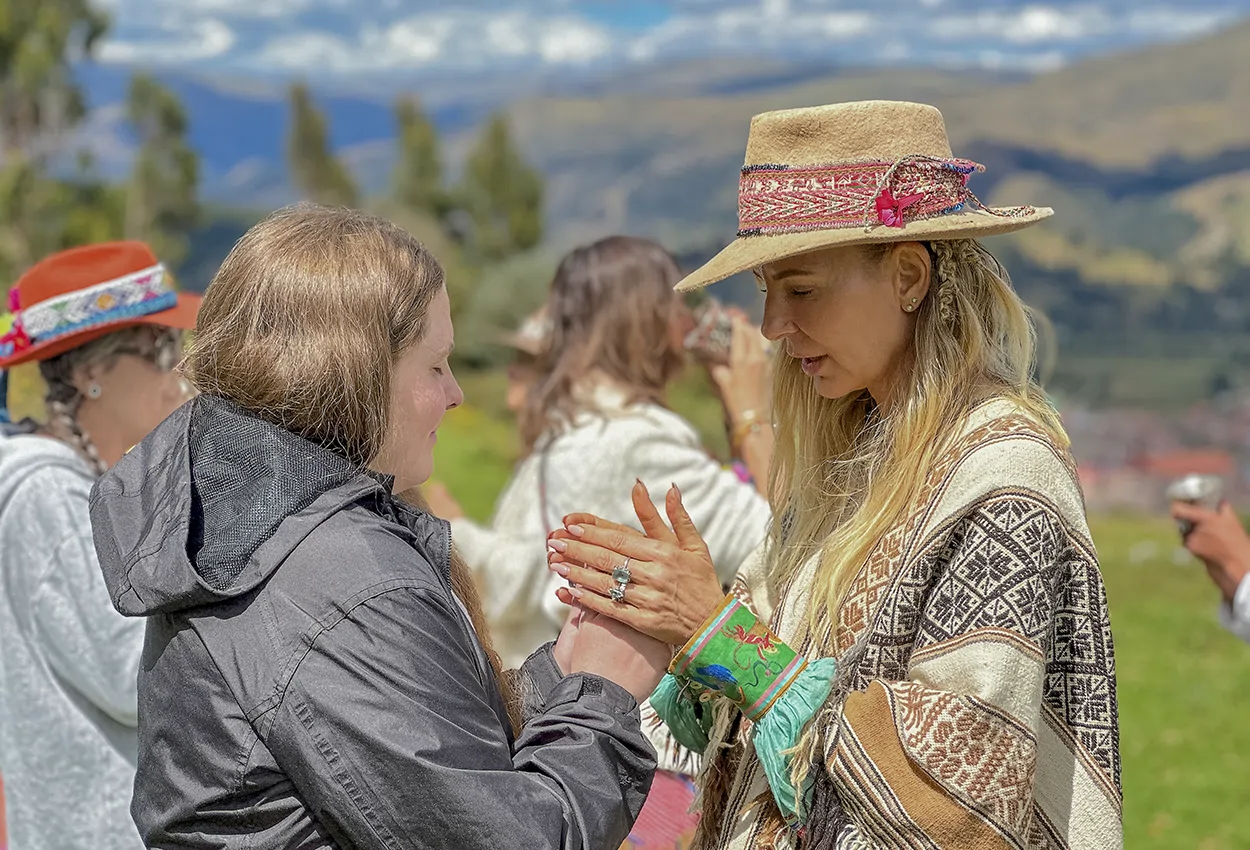
The Ayahuasca Diet is super crucial when you’re getting ready for an ayahuasca ceremony Whether you’re heading to an Ayahuasca retreat in Peru, joining a ceremony in cusco, or gearing up for your first time anywhere, getting the lowdown on the diet is key for staying safe, clear-headed, and spiritually deep
A lot of people think the Ayahuasca diet is just a bunch of foods you can’t eat It’s actually a whole lot more than that Prepping for the ceremony is all about getting your body ready to take the medicine and your mind clear and focused
In this complete guide, you will learn:
- What the Ayahuasca diet really is
- Why it matters spiritually and medically
- What foods to avoid before ayahuasca
- What to eat during the preparation period
- Substances and medications that can be dangerous
- How long to follow the diet
- What happens if you don’t follow it
- Post-ceremony dietary recommendations
If you are preparing for an Ayahuasca retreat in Peru, this guide will help you approach your ceremony with responsibility and respect.
What Is the Ayahuasca Diet and Why Is It Important?
The Ayahuasca diet (la dieta) refers to a set of dietary and lifestyle restrictions followed before (and sometimes after) an ayahuasca ceremony.
It serves three essential purposes:
- Physical safety
- Emotional preparation
- Spiritual alignment
The diet is not arbitrary. It has roots in Amazonian shamanic traditions, where plant medicine is treated as a sacred teacher rather than a recreational substance.

The Spiritual Purpose of the Ayahuasca Diet
According to the conventional cosmology of Amazonian people, the spirit and body are one entity. Some heavy foods, sexual activity, emotional disturbances, and stimulant type items may impede how someone views themselves and create an imbalance in the person’s energy.
The Ayahuasca diet is meant to:
- Cleanse the body
- Calm the nervous system
- Reduce energetic “noise”
- Increase receptivity to insight
Many experienced shamanic healers will say that a certain kind of diet restricts what you eat for sensitization purposes. You become more aware as your body is put into a more balanced state. How you prepare for the ceremony will dictate how you will be able to have an even more profound ceremony.
The Scientific & Physiological Reasons Behind Dietary Restrictions
Ayahuasca is made up of DMT and natural MAO inhibitors (the harmala alkaloids), which change the way that your body metabolizes certain chemicals in particular, tyramine. Tyramine can cause increased blood pressure and physical discomfort when ingested along with MAO inhibitors. While ayahuasca’s MAO activity lasts for a short period of time and is reversible, avoidance of tyramin-rich foods should still take place.
The Ayahuasca diet helps:
- Reduce nausea intensity
- Minimize blood pressure spikes
- Lower digestive stress
- Support serotonin balance
From a physiological standpoint, a lighter digestive system allows your body to process the brew more efficiently.
How the Diet Affects Your Ceremony Experience
People who follow the Ayahuasca diet often report:
- Clearer visions
- Reduced physical discomfort
- Smoother purging process
- Deeper emotional breakthroughs
- Less mental resistance
Heavy foods, alcohol, and stimulants can create internal friction that manifests during ceremony as discomfort, agitation, or mental chaos.
The diet does not guarantee a “better” experience — but it removes unnecessary obstacles.
Our Ayahuasca Retreats Cusco – Peru
Ayahuasca Retreat 1 Day Cusco
Experience a traditional Ayahuasca retreat in Cusco guided by experienced shamans in a safe, respectful, and authentic environment.
Book Ayahuasca Retreat 1 Day2-Day Ayahuasca Retreat Cusco
This 2-day Ayahuasca retreat in Cusco is a carefully guided experience created for those seeking deeper healing, clarity, and spiritual connection.
Book 2-Day Ayahuasca RetreatHow Long Before Ceremony Should You Start the Ayahuasca Diet?
Preparation timelines vary depending on the retreat center and individual health condition. However, most experienced facilitators recommend beginning the Ayahuasca diet at least 7 to 14 days before ceremony.
2 Weeks Before Ceremony
Two weeks before a ceremony, the best time to begin the Ayahuasca diet is also ideal for people that have regularly consumed alcohol, drank coffee, eaten processed foods and/or live in a highly stimulated environment.
The goal during this phase of the Ayahuasca diet is not an extreme restriction of food but rather the gradual removal of heavy and/or inflammatory foods from your diet as well as working on stabilizing your sleep patterns and emotions. This will help to minimize shock to the nervous system and facilitate a gentle detoxification process.
Two weeks prior, focus on eliminating:
- Alcohol
- Recreational drugs
- Processed foods
- Excess sugar
- Red meat (especially pork)
Getting ready for ceremony ahead of time helps lessen the physical stress placed on your body and help rebalance your serotonin system. There are many people who do not realize how much caffeine, sugar, and alcohol affect emotional regulation; removing them ahead of time puts someone in a state of balance instead of withdrawal when he arrives for a ceremony.
These two weeks are also about releasing all the clutter from our minds and paying attention to how we react to our emotional triggers by working on conflict reduction and establishing a journal for yourself. Spiritual awakening starts here, not when you drink from your cup.

7 Days Before Ceremony
Acclaimed retreat centers suggest a 7-day minimum preparation period if two weeks is not an option. This week involves stricter dietary restrictions focused on achieving digestive lightness and a safe serotonin balance. With the presence of reversible MAO Inhibitors in ayahuasca the importance of removing tyramine rich foods increase this week.
During the 7-day period, remove completely:
- Aged cheeses
- Fermented foods
- Cured meats
- Pork
- Alcohol
- Cannabis
- Processed snacks
Digestive simplification becomes essential. When your stomach is less burdened, nausea is reduced, and purging becomes cleaner and more efficient. This does not eliminate discomfort — but it prevents avoidable complications.
Psychologically, this week often brings emotional surfacing. As stimulants leave your system, you may feel more sensitive. This sensitivity is not weakness — it is receptivity increasing.
3 Days Before Ceremony
The final 72 hours before ceremony are particularly important. At this stage, your body should feel stable, not restricted.
The focus shifts toward eating extremely simple, easily digestible foods in smaller portions. Heavy proteins are reduced or eliminated. Salt and oils are minimized.
Recommended during this period:
- Steamed vegetables
- White rice or quinoa
- Light vegetable soups
- Fresh fruits (in moderation)
- Plain oatmeal
Your body’s energy can be directed more efficiently to process the medicine, rather than figuring out how to metabolize food that is complicated. Those who neglect this part of the journey will tend to experience more severe nausea and/or distress physically.
The last 3 days emotionally are also about creating a ‘calm environment’. This is done by limiting the use of social media, avoiding overstimulation, and not having many conversations that require significant mental or emotional involvement. The nervous system is in an expanded state of awareness.
The Day of the Ceremony
A good day to conduct your Ayahuasca ceremony should be serene, bright, and purposeful.
Most experienced facilitators recommend eating something light for breakfast and possibly having something that is very light for lunch until noon. After that, it is not uncommon to fast for 6 – 8 hours before the time of your ceremony. This is helpful because if you have little in your stomach when you start the ceremony, you are less likely to experience as much nausea and will absorb the Ayahuasca brew much more smoothly.
On ceremony day:
- Avoid caffeine completely
- Eat light and early
- Stay hydrated
- Reflect on your intention
- Avoid emotional conflict
Fasting is not punishment — it is preparation. A calm digestive system allows the medicine to work more efficiently. Many participants report that lighter eating leads to clearer experiences and less physical struggle.
Spiritually, this day is sacred. Avoid rushing. Walk in nature if possible. Enter the space grounded and respectful.

Foods to Avoid Before Ayahuasca (Complete List)
Knowing what to avoid is not a question of fear but of safety and clarity. The ayahuasca diet derives its basis from biochemical caution as well as energetic tradition. Some limitations are based on medical knowledge because MAO inhibition. Others are from Amazonian lineage teachings that focus on energetic purity. Let’s look at them closely.
Foods High in Tyramine
Aging and fermented food products often contain tyramine. The tyramine metabolism is slowed when MAO enzymes are inhibited, resulting in possible high blood pressure.
Avoiding food products containing tyramine is recommended even though the effect of MAO inhibition from ayahuasca is a temporary one.
Avoid:
- Aged cheeses
- Cured meats
- Salami and pepperoni
- Soy sauce
- Miso
- Sauerkraut
While severe reactions are rare, minimizing tyramine reduces risk and increases comfort. Safety is not negotiable in plant medicine work.
Processed & Fermented Foods
Processed foods create digestive inflammation and metabolic stress. Fermented foods, while healthy in other contexts, can complicate MAOI interactions.
Avoid:
- Packaged snacks
- Artificial additives
- Vinegar-heavy dressings
- Fermented vegetables
- Kombucha
From an energetic perspective, processed foods are considered “dead” or low vitality. The Ayahuasca diet emphasizes living, fresh foods that support sensitivity rather than dullness.
Red Meat & Pork
Pork is traditionally forbidden in Amazonian practice. The reasons are partly symbolic and partly physiological.
Pork is believed to carry heavy energetic density and may intensify nausea during ceremony. Red meat in general increases digestive burden and inflammation.
Avoid:
- Pork in all forms
- Beef
- Lamb
- Processed meats
Reducing red meat improves circulation and digestive efficiency, both important for ceremony night.

Spicy & Overstimulating Foods
Highly spiced foods irritate the stomach lining and increase digestive heat.
Avoid:
- Hot peppers
- Heavy garlic dishes
- Fried foods
- Oily sauces
Digestive irritation amplifies discomfort during ceremony. The goal is calmness — not stimulation.
Sugar, Caffeine & Artificial Additives
Caffeine and sugar dysregulate the nervous system. Entering ceremony in caffeine withdrawal can create headaches and agitation.
Reduce and eliminate:
- Coffee
- Energy drinks
- Refined sugar
- Artificial sweeteners
- Sodas
Stabilizing blood sugar improves emotional regulation during ceremony. Many difficult experiences stem from physiological imbalance rather than spiritual confrontation.
What to Eat During the Ayahuasca Diet
The Ayahuasca diet is not about starvation. It is about nourishment without excess.
Simple, fresh foods support clarity and energetic openness.
Recommended Fruits & Vegetables
Fresh produce forms the foundation of the Ayahuasca diet.
Choose:
- Bananas
- Papaya
- Apples
- Leafy greens
- Zucchini
- Carrots
Light cooking methods like steaming preserve nutrients while maintaining digestive simplicity.
Fruits should be consumed moderately to avoid blood sugar spikes. Balance is key.
Clean Carbohydrates & Grains
Carbohydrates provide grounding energy without heaviness.
Best options include:
- White rice
- Quinoa
- Oats
- Sweet potatoes
Keep seasoning minimal. Avoid heavy sauces and excessive salt.
Grains stabilize energy levels and prevent irritability from under-eating.
Light Proteins (If Allowed)
Some retreats allow light proteins in moderation.
Acceptable options:
- Eggs
- Lentils (small portions)
- White fish
Many participants choose mostly plant-based meals during preparation to reduce inflammation and digestive load.
Hydration & Herbal Teas
Hydration supports detoxification and emotional stability.
Recommended:
- Plenty of water
- Chamomile tea
- Mint tea
- Mild ginger tea
Avoid sugary drinks and caffeine. Balanced hydration reduces headaches and supports purging.
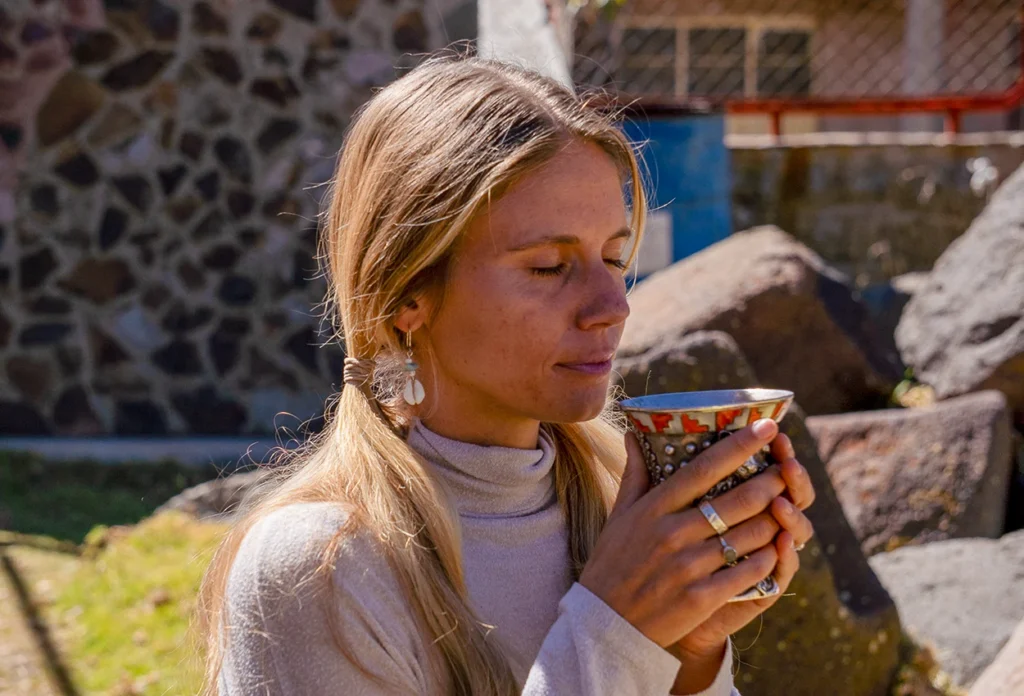
Substances to Avoid Before an Ayahuasca Ceremony
This is critically important.
Alcohol & Recreational Drugs
Avoid for at least 2 weeks prior.
Mixing substances with ayahuasca can create unpredictable psychological effects.
Cannabis & Psychedelics
Even if considered “natural,” these substances can interfere with the ceremony process.
Prescription Medications (MAOIs, SSRIs & Antidepressants)
Certain medications are contraindicated, including:
- SSRIs
- SNRIs
- MAO inhibitors
- Certain stimulants
You must consult both your prescribing doctor and the retreat center before participating.
Never stop medication abruptly without medical supervision.
Supplements & Herbal Interactions
Some supplements (like St. John’s Wort or 5-HTP) can affect serotonin levels and should be avoided prior to ceremony.
The Spiritual Aspect of the Ayahuasca Diet
The Ayahuasca diet is not only physical.
It includes energetic discipline.
Sexual Abstinence & Energy Conservation
Traditional practice recommends abstaining from sexual activity 3–7 days before ceremony.
This is believed to:
- Preserve energetic integrity
- Increase focus
- Reduce emotional turbulence
Digital Detox & Emotional Cleansing
Reduce:
- Social media
- Violent content
- Emotional conflict
- Overstimulation
The mind should enter ceremony in a calm state.
Mental Preparation & Intention Setting
Ask yourself:
- Why am I doing this?
- What am I ready to see?
- What am I willing to release?
The Ayahuasca diet prepares not only your body — but your willingness.
What Happens If You Don’t Follow the Ayahuasca Diet?
Ignoring the diet can result in:
Physical Risks
- Headaches
- Elevated blood pressure
- Severe nausea
Emotional Impact
- Mental restlessness
- Increased fear
- Difficulty surrendering
Reduced Clarity
- Distracting physical discomfort
- Less emotional access
Preparation shows respect — to yourself and to the medicine.
Ayahuasca Diet During a Retreat in Peru
If you attend an Ayahuasca retreat in Peru, most centers provide structured meals aligned with the dieta.
You can expect:
- Simple vegetarian meals
- No processed foods
- No alcohol
- Clear preparation guidelines
In Cusco and Amazon retreats, the principles remain similar, though traditions may vary slightly.
Always follow the specific instructions provided by your chosen retreat.
After the Ceremony: Post-Ayahuasca Diet & Integration
The integration period is just as important.
What to Eat After Ceremony
Start slowly:
- Light soups
- Rice
- Fruits
- Steamed vegetables
Avoid alcohol and heavy foods for several days.
How Long to Continue Restrictions
Many facilitators recommend:
- 3–7 days post-ceremony
- Gradual reintroduction of foods
This helps stabilize insights.
Supporting Integration Through Diet
Your body remains sensitive after ceremony.
Clean eating supports:
- Emotional balance
- Mental clarity
- Nervous system regulation
Integration is not just psychological — it is physiological.
Final Thoughts: The Ayahuasca Diet Is an Act of Respect
The Ayahuasca diet is not superstition.
It is:
- Safety protocol
- Spiritual discipline
- Emotional preparation
- Energetic alignment
If you are preparing for an Ayahuasca ceremony in Cusco or attending an Ayahuasca retreat in Peru, following the diet seriously can profoundly shape your experience.
The ceremony does not begin when you drink the medicine. It begins the moment you choose to prepare.