Most Important Festivities in Cusco: Complete Festival Calendar & Cultural Guide (2026 Edition)
 By PumAdventures
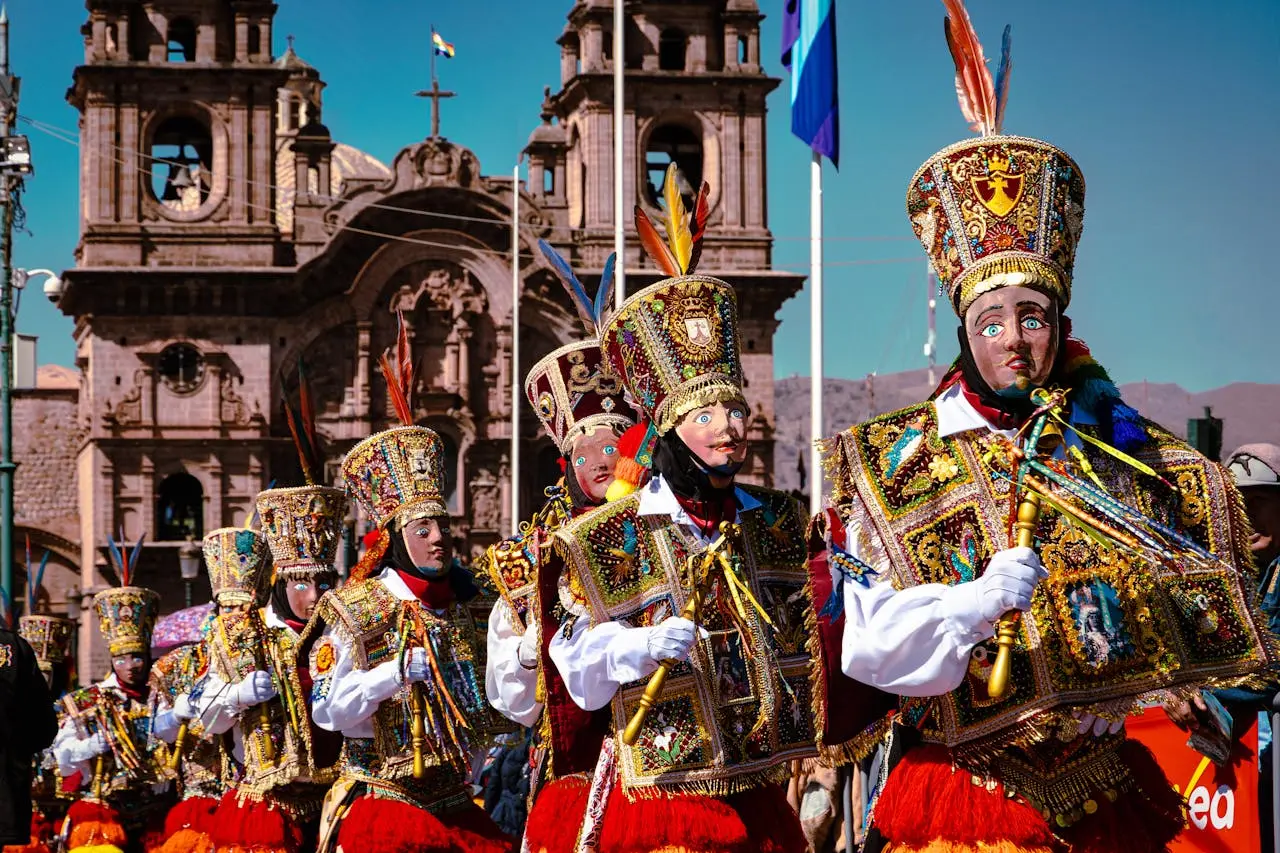
If you are searching for the most important festivities in Cusco, this complete guide will help you understand their origins, cultural meaning, and the best time to experience them.
Cusco is not just how to get to Machu Picchu, it is the pulse of Andean culture. In all seasons, the city hosts an extraordinary number of religious, ancestral, traditional events which make it one of the most vibrant destinations in South America.
The present guide to Cusco’s main festivities will give you a deep understanding of their origins, cultural implications and when is the best time for you to visit.
From ancient Inca rituals to Catholic processions interwoven with a ritual marking the Andes. This Cusco festivals calendar reflects the living traditions of centuries of history.
Why Cusco Is the Cultural Capital of Peru
Often referred to as the “Archaeological Capital of the Americas,” Cusco is far beyond a historical monument. It is where customs are practiced on the streets, mountains, and villages every day rather than in museums.
Because of its unbroken cultural history, Cusco is regarded as Peru’s cultural capital. Here, celebrations are real neighborhood events passed down through generations rather than scripted shows.
“History in Cusco is something you take part in, not something you merely see.“
Three main aspects—its Inca heritage, religious syncretism, and the part festivals have in defining identity—help one grasp the celebrations of the city.

The Inca Legacy and Living Traditions
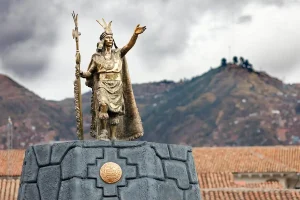
Prior to the arrival of the Spanish in the 16th century, Cusco was the capital of the Inca Empire (Tawantinsuyu), which was the biggest pre, Columbian civilization in the Americas. The city was conceived as an earthly sacred center, to be a reflection of divine order, aligned with both spiritual symbolism and astronomical principles.
This explains why the local inhabitants have been carrying out the same festivities, sung and danced, even today in Cuzco Peru, during the time when the planting and the worship of the sun were the main activities of the Incas. The belief system of the Incas was very close to:
- Inti (the Sun God)
- Pachamama (Mother Earth)
- The agricultural cycle
- Sacred mountains (Apus)
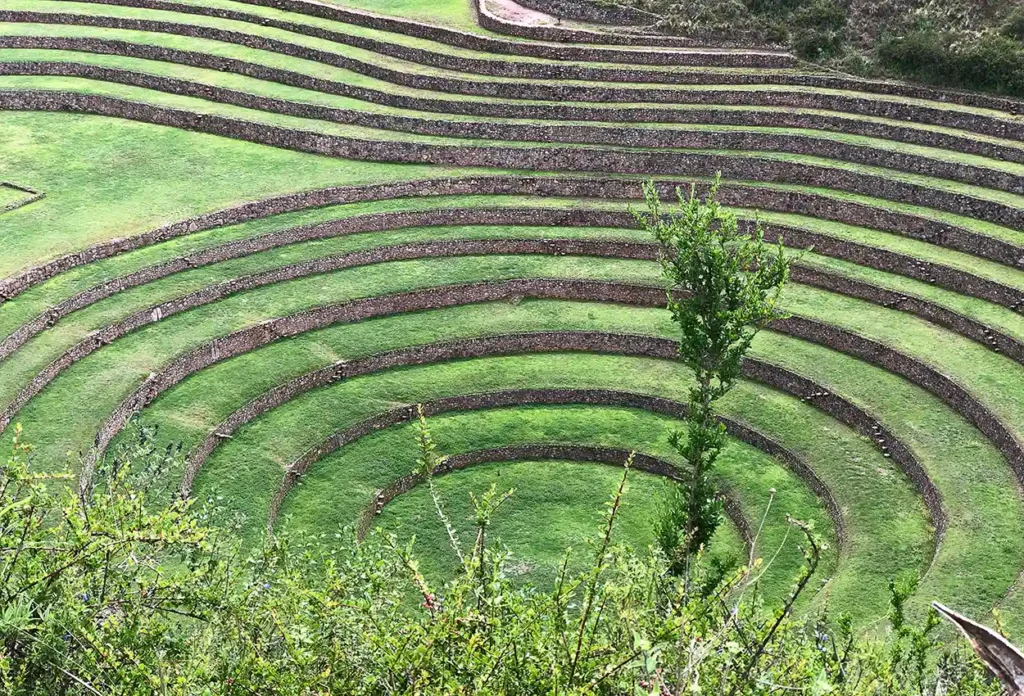
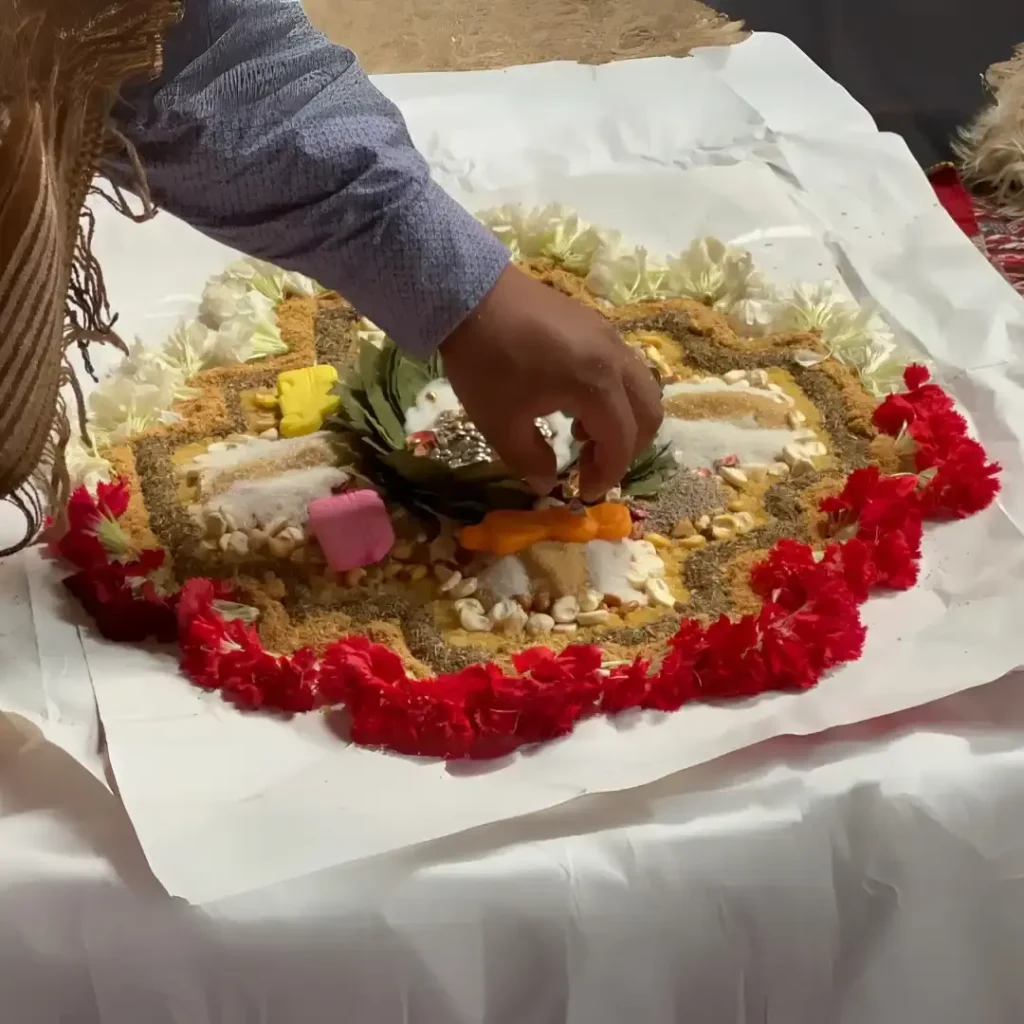
Even after colonization, these spiritual foundations were never erased. Instead, they evolved. Modern celebrations such as Corpus Christi or Holy Week in Cusco still carry echoes of pre-Hispanic rituals hidden beneath Catholic imagery.
For example:
- Processions follow ancient ceremonial routes.
- Offerings to saints often mirror traditional offerings to Pachamama.
- Music and dance incorporate indigenous instruments and rhythms.
This continuity is why Cusco festivals are considered living heritage, not reconstructed folklore.
The Fusion of Andean and Catholic Beliefs
The great religious syncretism among the most significant Cusco celebrations is among the most intriguing elements. Rather than replacing it, Andean civilizations combined Catholicism into their current worldview when Spanish missionaries brought it.
This hybrid produced unusual parties where:
- Andean music and dances celebrate Catholic saints.
- Religious feast days fit with agricultural rituals.
- Indigenous symbols show up in church art and festival outfits.
Señor de los Temblores, the patron saint of Cusco, is one prominent example. Though formally Catholic, many local people view him similarly to old protective gods.
“Cusco weaves its spiritual past with its present rather than dividing them.”
The Cusco festival calendar is unique everywhere else in the world thanks to this mix of customs.
Why Festivals Define Local Identity
In Cusco, festivals are not only religious or touristic events — they are expressions of collective identity. Entire neighborhoods, families, and communities spend months preparing for celebrations.
During major festivities, you will notice:
- Traditional clothing worn with pride.
- Intergenerational participation (children, adults, elders).
- Community sponsorships called cargos.
- Traditional dances representing specific districts.
Festivals serve several essential purposes:
- Strengthening community bonds
- Preserving language and oral traditions
- Reinforcing agricultural cycles
- Honoring ancestors
- Attracting cultural tourism
For travelers, participating respectfully in these events offers a rare opportunity to witness authentic Andean culture, not a curated show.
Cusco Festivals Calendar by Month
When you are planning your trip, it’s important to know how often the Cuzco Festivals occur and what are the months that have the largest volumes of festivals with cultural significance.
The following is a detailed outline of the first half of the year.
January: Traditional New Year and Regional Celebrations
January in Cusco marks a period of renewal and gratitude. While it may not feature the largest events of the year, it sets the tone for the cultural cycle ahead.
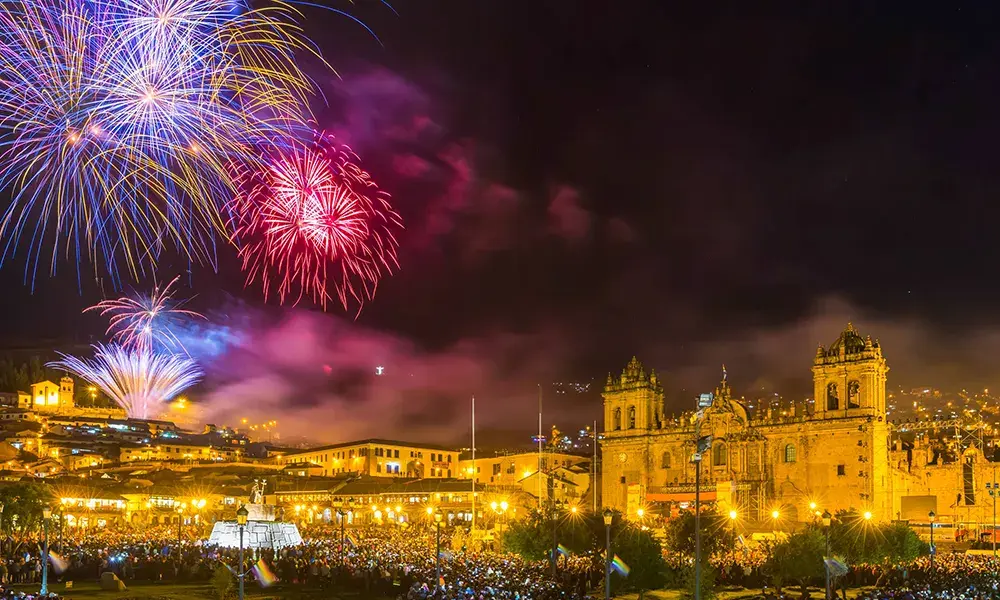
Many communities celebrate:
- New Year’s rituals blending modern and ancestral customs.
- Regional patron saint festivities in nearby villages.
- Agricultural blessings before the rainy season intensifies.
In rural areas, small-scale ceremonies honoring Pachamama continue quietly, maintaining the spiritual rhythm of the Andes.
January is ideal for travelers seeking:
- Fewer crowds.
- Authentic local celebrations.
- A more intimate cultural experience.
Although not the peak season for major Cusco festivals, it offers insight into daily spiritual life beyond large tourist events.
February: Cusco Carnival (Carnaval Cusqueño)
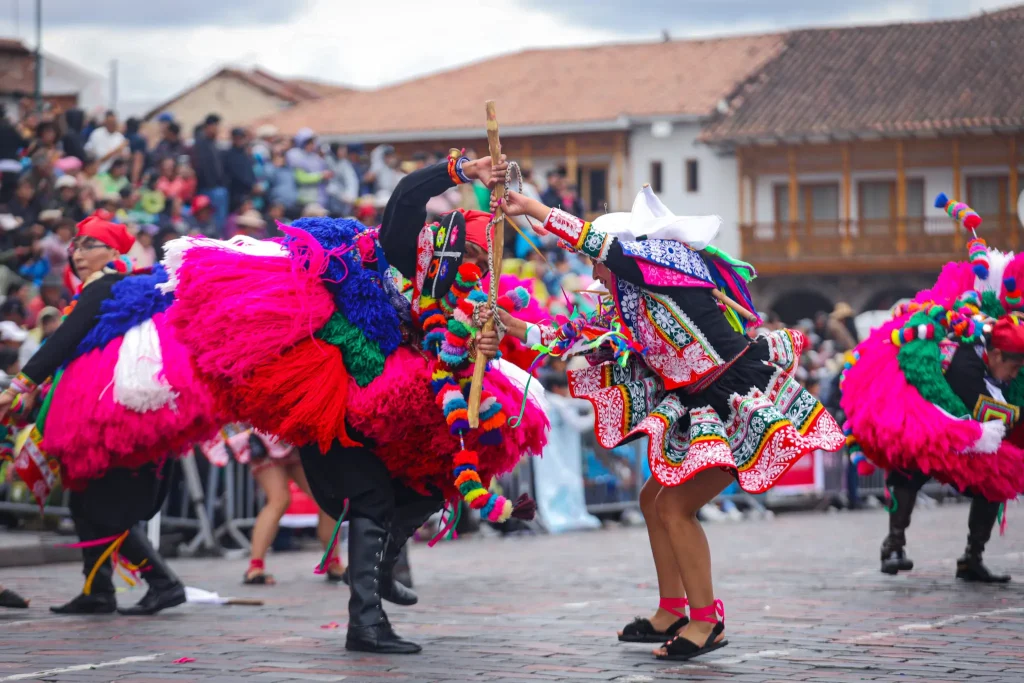
February brings one of the most joyful and colorful celebrations: Cusco Carnival, also known as Carnaval Cusqueño.
This festival combines pre-Hispanic agricultural rituals with colonial influences, creating a vibrant explosion of music, dance, water games, and gastronomy.
Water Traditions and the Yunza Tree Ritual
A festive ritual called the Yunzas serves as one of the main features of the Carnival in Inca (also known as the festival of Carnival). People from all walks of life (represented by the trees) go out to soak each other with water, foam or colored liquid, while remaining clean (through their respective ceremonies) in order to be renewed by participating in the Carnival.
The centerpiece of the Yunzas is the tree, which has been laid out in front of the many people in the square where the ritual is taking place. Couples participating in the ceremony dance around the tree while taking turns striking it with a machete. After the second occurrence of the ceremony, the person who last struck the tree becomes responsible for planning the next year’s celebration.
The ritual symbolizes:
- Fertility
- Abundance
- Community continuity
- Agricultural prosperity
“The Yunza is not just a party game — it is a ritual of renewal deeply rooted in Andean agricultural tradition.”
For visitors searching for traditional festivals in Cusco Peru, Carnival offers one of the most immersive experiences.
Gastronomy During Carnival
No Cusco festival is complete without traditional cuisine. During Carnival, local markets and homes prepare special dishes that reflect both indigenous and colonial influences.
Typical Carnival foods include:
- Puchero or Timpu – a hearty stew made with meats, potatoes, cabbage, and chickpeas.
- Traditional Andean potatoes in multiple varieties.
- Corn-based dishes and chicha (fermented corn beverage).
- Sweet breads and regional desserts.
Food during Carnival is not just nourishment — it represents celebration and communal sharing.
How Tourists Can Participate Respectfully
If you plan to attend Cusco Carnival, cultural sensitivity is essential. Here are key recommendations:
- Wear casual clothes you don’t mind getting wet.
- Ask permission before taking close-up photos.
- Participate playfully but avoid excessive behavior.
- Respect local family spaces and rituals.
- Avoid wasting water unnecessarily.
Travelers who engage respectfully often find Carnival to be one of the most memorable parts of the Cusco festivals calendar.
March / April: Holy Week & Señor de los Temblores
Holy Week (Semana Santa) is probably in March or April in Cusco, and it is known as one of the most spiritually powerful and solemn times of the year.
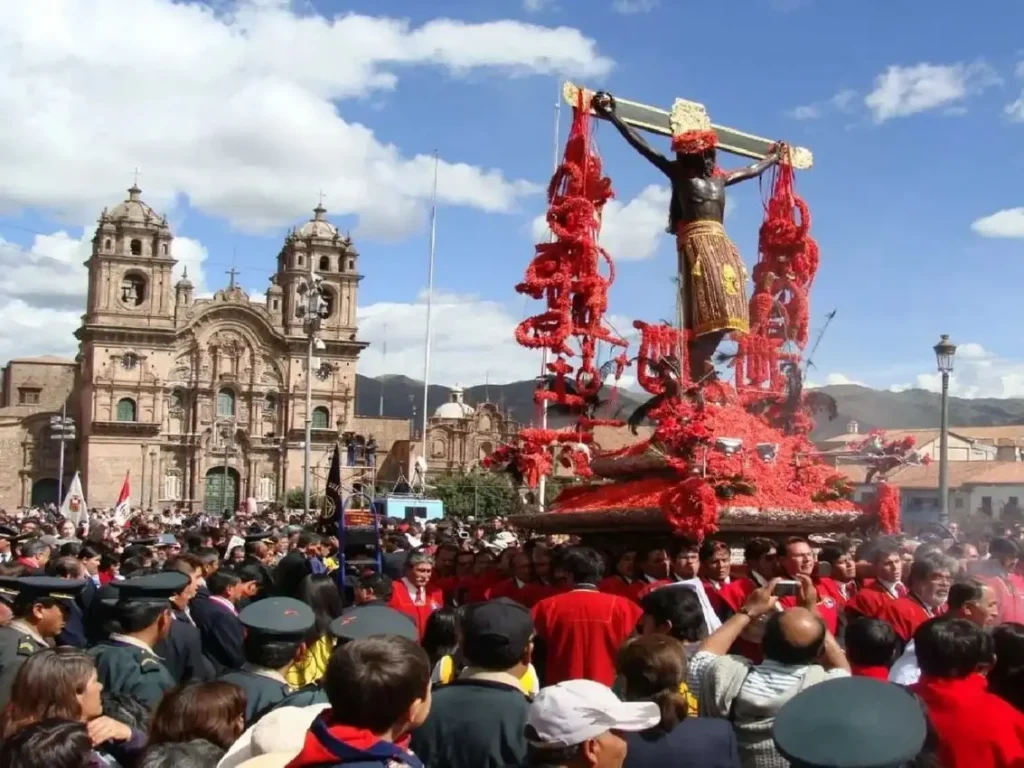
The most significant event is Señor de los Temblores, the highly venerated patron saint who is believed to have saved Cusco from earthquakes since the 17th century.
Religious Processions in Plaza de Armas
The central event takes place in the historic Plaza de Armas, where thousands gather to witness the procession of Señor de los Temblores.
During the ceremony:
- The image is carried through the streets by devoted bearers.
- Purple ñuccho flowers are thrown as offerings.
- Church bells ring continuously.
- The cathedral fills with incense and prayer.
The atmosphere is deeply emotional and collective.
“When Señor de los Temblores appears in the Plaza de Armas, the entire city falls silent in reverence.”
For those researching religious festivals in Cusco, this event represents one of the most significant spiritual moments of the year.
Traditional Dishes During Semana Santa
Like Carnival, Holy Week in Cusco includes unique culinary traditions. On Good Friday, many families avoid red meat and prepare symbolic dishes.
Common Semana Santa foods include:
- Twelve-dish meals representing the twelve apostles.
- Seafood-based plates.
- Soups and stews without beef or pork.
- Sweet empanadas and traditional breads.
These meals reinforce the communal and reflective spirit of the celebration.
May: Cruz Velacuy (Festival of the Cross)
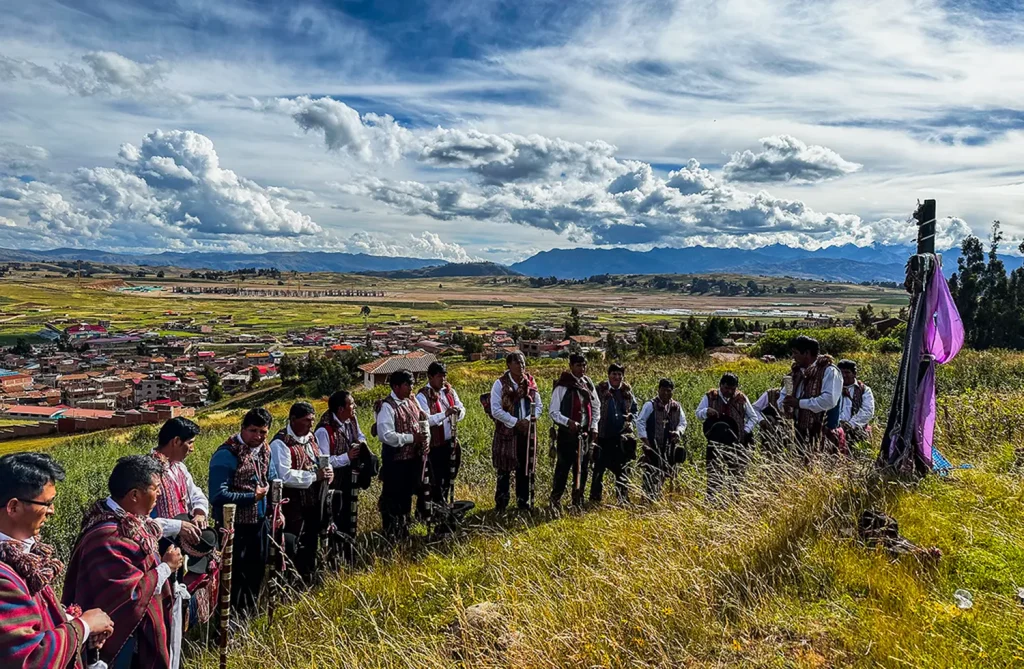
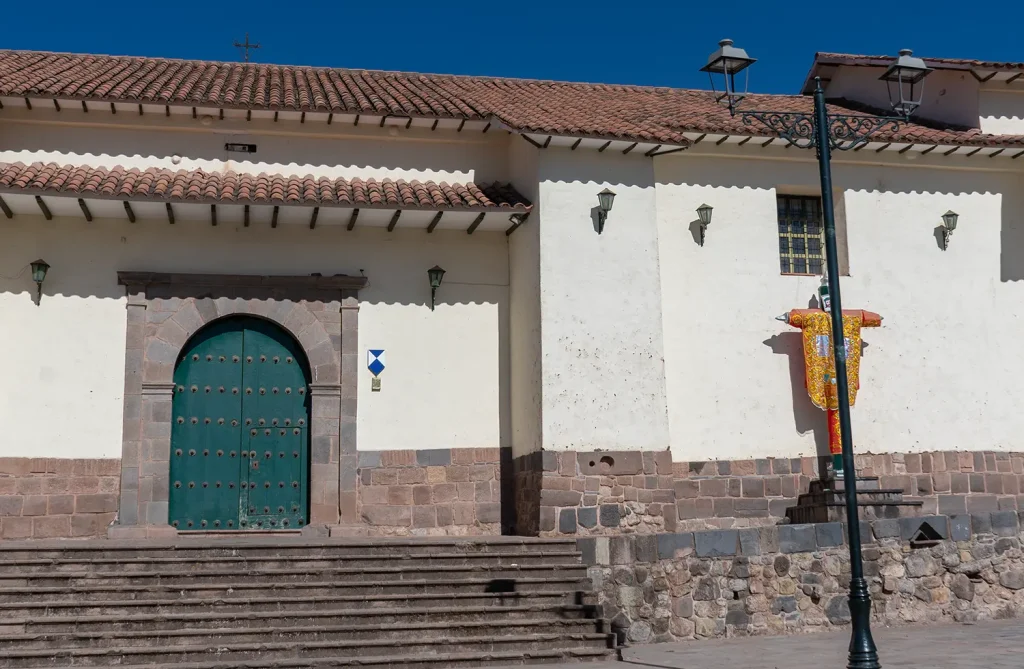
The month of May is when one of the largest and most significant religious festivals occurs annually in the Cusco region – known as Cruz Velacuy (or Festival de la Cruz), taking place on the third of May and exemplifying the blending of Christian faith with Incan beliefs.
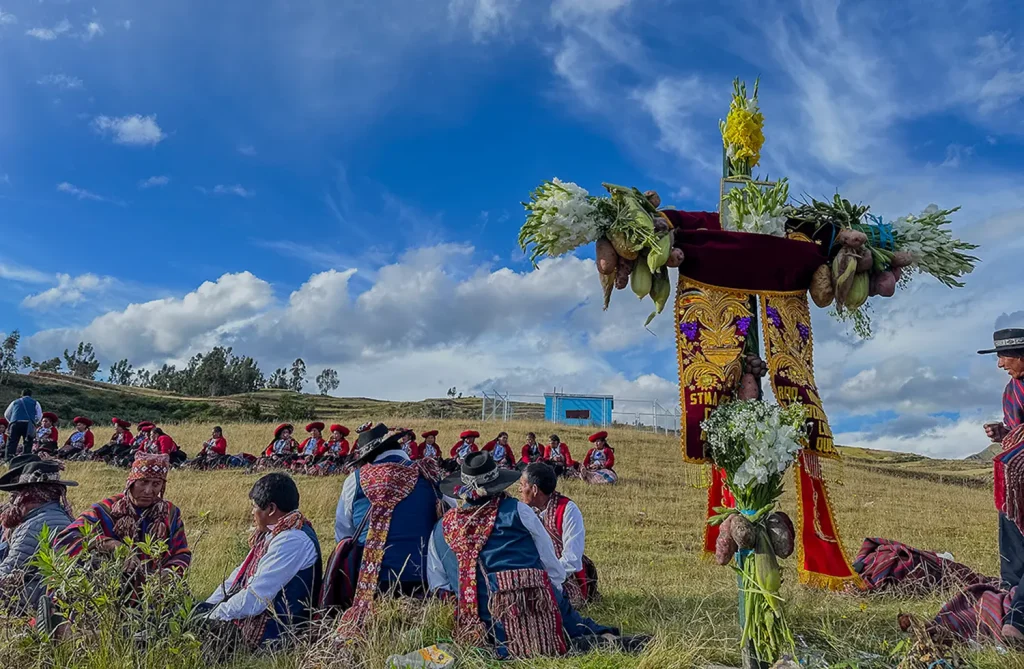
Throughout the Cusco area and its many surrounding towns, people will carry crosses to hills, neighborhoods, and holy mountains. While it appears that this is only a religious holiday, there is a massive amount of Andean cosmological symbolism behind it.
Andean Symbolism of the Cross
In Andean thought, the cross is not only a Christian symbol. Many scholars and local elders interpret it as a representation of the Chakana (Andean Cross) — a pre-Hispanic symbol representing:
- The three worlds: Hanan Pacha (upper world), Kay Pacha (earthly world), Uku Pacha (inner world)
- The connection between humans and the cosmos
- The four cardinal directions
- Spiritual balance
During Cruz Velacuy, decorated crosses are adorned with:
- Flowers
- Colorful fabrics
- Mirrors
- Traditional Andean textiles
“The cross in Cusco is not just a symbol of faith — it is a bridge between worlds.”
This celebration reinforces the idea that many of the most important festivities in Cusco preserve ancient meanings beneath Catholic forms.
Mountain Rituals and Offerings
Many crosses are placed on hills or near sacred mountains (Apus). Communities gather to perform rituals that include:
- Music with traditional Andean instruments
- Offerings of coca leaves
- Food sharing
- Prayers for protection and prosperity
In some areas, small Despacho ceremonies (offerings to Pachamama) accompany the celebration, blending indigenous spirituality with Catholic devotion.
For travelers interested in traditional festivals in Cusco Peru, Cruz Velacuy offers a more intimate and community-centered experience before the explosive celebrations of June begin.
June: The Most Important Festive Month in Cusco
If there is one month that defines the most important festivities in Cusco, it is June. Often called the “Jubilee Month,” June transforms the entire city into a living stage of history, faith, and identity.
During this month, three major celebrations dominate the Cusco festival calendar:
- Corpus Christi Cusco
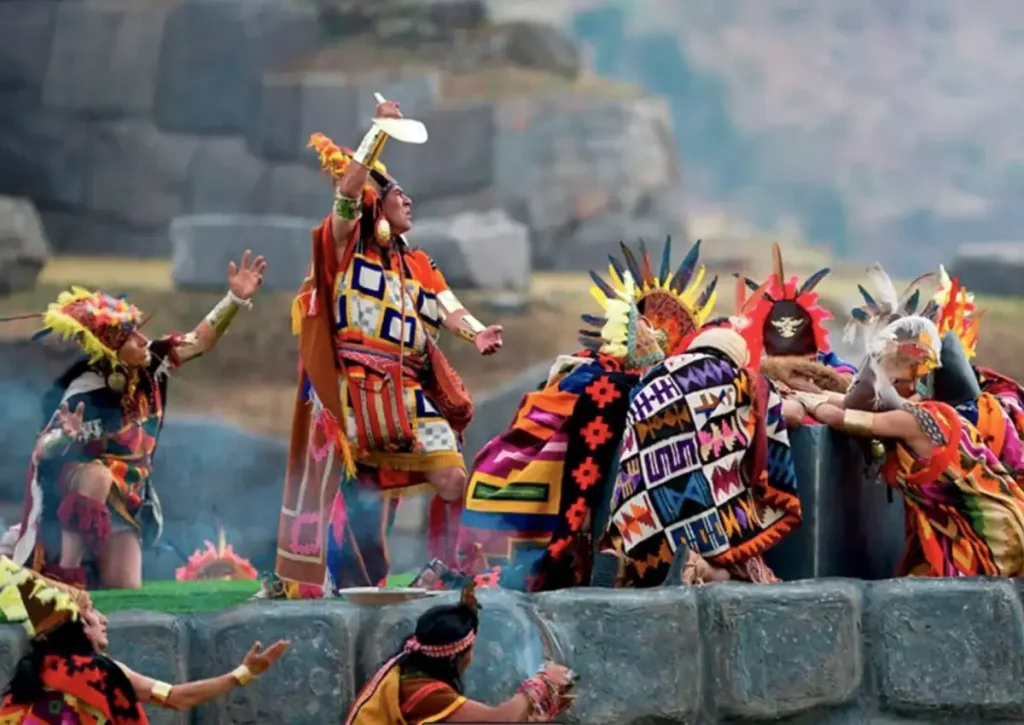
- Inti Raymi – Festival of the Sun
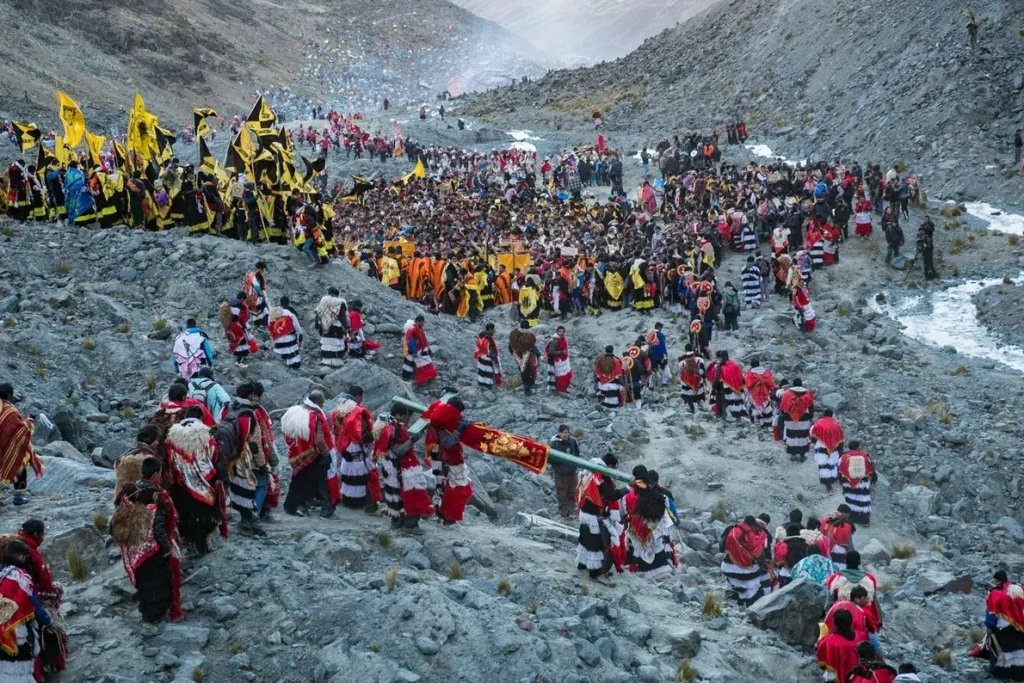
- Qoyllur Rit’i Pilgrimage
June is also high tourist season, making early planning essential.
Corpus Christi Cusco
Celebrated approximately 60 days after Easter, Corpus Christi Cusco is one of the most spectacular religious events in the Andes.
Procession of the 15 Saints
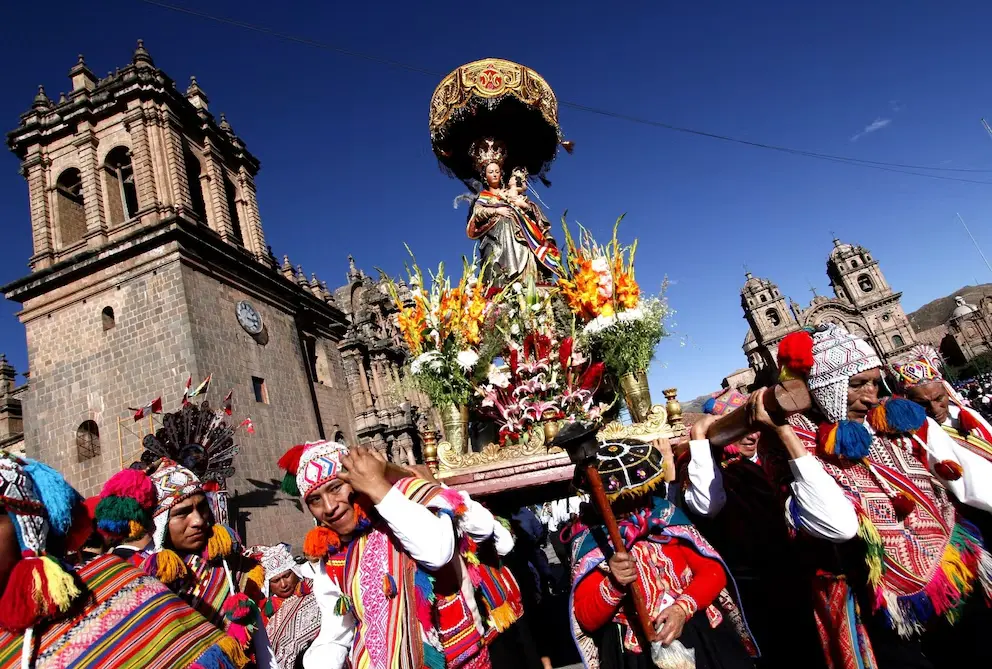
The highlight of Corpus Christi Cusco is the procession of 15 saints and virgins from different parishes of the city. Each image is carried from its respective church to the Cathedral in the Plaza de Armas.
The procession features:
- Ornate golden platforms
- Traditional dancers
- Brass bands
- Community delegations wearing regional attire
The saints remain in the Cathedral for several days, symbolizing unity among Cusco’s districts.
“Corpus Christi is not just a procession — it is a gathering of communities honoring their shared spiritual heritage.”
Many historians note parallels between this celebration and ancient Inca gatherings where mummies of rulers were brought together ceremonially.
Chiriuchu: The Traditional Festival Dish
No discussion of Corpus Christi Cusco is complete without mentioning Chiriuchu, the iconic festival dish.
Chiriuchu means “cold chili” in Quechua and combines ingredients from different ecological regions of Peru:
- Roasted guinea pig (cuy)
- Chicken
- Sausage
- Seaweed
- Fish roe
- Corn
- Cheese
- Rocoto pepper
This dish represents unity across regions — coast, highlands, and jungle.
For culinary travelers, tasting Chiriuchu is an essential part of experiencing the Cusco festival calendar in June.
Inti Raymi – Festival of the Sun (June 24)
Without a doubt, Inti Raymi among the main festivals in Cusco is the most internationally known event that is celebrated every June 24th.
Historical Origins in the Inca Empire
The origins of Inti Raymi go back to the times of Inca rule in the 15th century during the government of Pachactec. With it, the winter solstice was marked and Inti, the Sun God was honored, seeking agricultural prosperity.
The Spanish prohibited the performance of this ceremony in the 16th century but it was brought back in 1944 as a historical drama based on the chronicles of the colonizers.
Today, it remains a powerful symbol of:
- Inca identity
- Cultural pride
- Astronomical knowledge
- Indigenous continuity
“Inti Raymi is more than a reenactment — it is a declaration that Andean culture endures.”
Ceremony Stages: Qorikancha, Plaza de Armas, Sacsayhuamán
The modern celebration unfolds in three symbolic locations:
- Qorikancha (Temple of the Sun) – Opening ritual honoring the Sun.
- Plaza de Armas – Symbolic encounter between the Inca and colonial history.
- Sacsayhuamán – The main ceremony, featuring hundreds of actors in elaborate costumes.
The final stage at Sacsayhuamán includes:
- Ritual offerings
- Simulated animal sacrifice
- Chants in Quechua
- Dramatic speeches by the Inca ruler
How to Get Tickets for Inti Raymi
While some parts of Inti Raymi Cusco are free (Qorikancha and Plaza de Armas), access to seating areas at Sacsayhuamán requires tickets.
Tips:
- Purchase tickets months in advance.
- Choose shaded sections if possible.
- Book through authorized agencies.
- Combine with city tours due to high demand.
June is peak season, so hotels and tours sell out quickly.
Best Viewpoints and Travel Tips
If you prefer free viewing:
- Arrive early at Qorikancha.
- Secure a position in Plaza de Armas early in the morning.
- Bring sunscreen, water, and comfortable shoes.
Remember:
- June is dry season but sunny.
- High altitude requires acclimatization.
- Respect ceremonial silence during key ritual moments.
Qoyllur Rit’i Pilgrimage
Qoyllur Rit’i is one of the most spiritually charged events of the Andes. It happens in the Sinakara Valley, close to the Ausangate mountain.
Actually, a quite precise date of the event is late May or early June, but it belongs to the bigger festive period.
Suddenly the sacred rites on the glaciers
People come in large numbers ascending the heights to pay homage to the Lord of Qoyllur Riti, a faithful mix of Catholicism with Andean cosmology.
Ritual elements include:
- Nighttime processions with candles
- Traditional masked dancers (Ukukus)
- Blessings near glaciers
- Prayers for protection and fertility
Historically, chunks of glacier ice were carried back as sacred water.
UNESCO Cultural Recognition
Qoyllur Rit’i has been recognized by UNESCO as Intangible Cultural Heritage of Humanity, highlighting its global importance.
It represents:
- Indigenous resilience
- Sacred mountain worship
- Syncretic spirituality
Spiritual Meaning for Andean Communities
For Andean pilgrims, this is not a spectacle — it is a profound act of faith.
“The mountain listens to those who climb with devotion.”
Unlike more touristic festivals, Qoyllur Rit’i remains deeply spiritual and requires respectful participation.
July: Virgen del Carmen (Paucartambo Festival)
Held in mid-July in Paucartambo, this festival honors Virgen del Carmen, patron saint of mestizo communities.
It is famous for its vibrant folkloric expression.
Traditional Masked Dances
The festival features spectacular dances such as:
- Saqra (devils)
- Qhapac Qolla
- Qhapac Chuncho
- Majeños
Each dance tells historical and social narratives.
Cultural Symbolism of the Saqra
The Saqra, a mischievous devil figure, climbs rooftops and interacts playfully with the crowd.
Symbolically, the Saqra represents:
- The tension between good and evil
- Colonial history
- Spiritual duality
This celebration is among the most visually striking in the Cusco festival calendar.
August: Pachamama Raymi – Tribute to Mother Earth
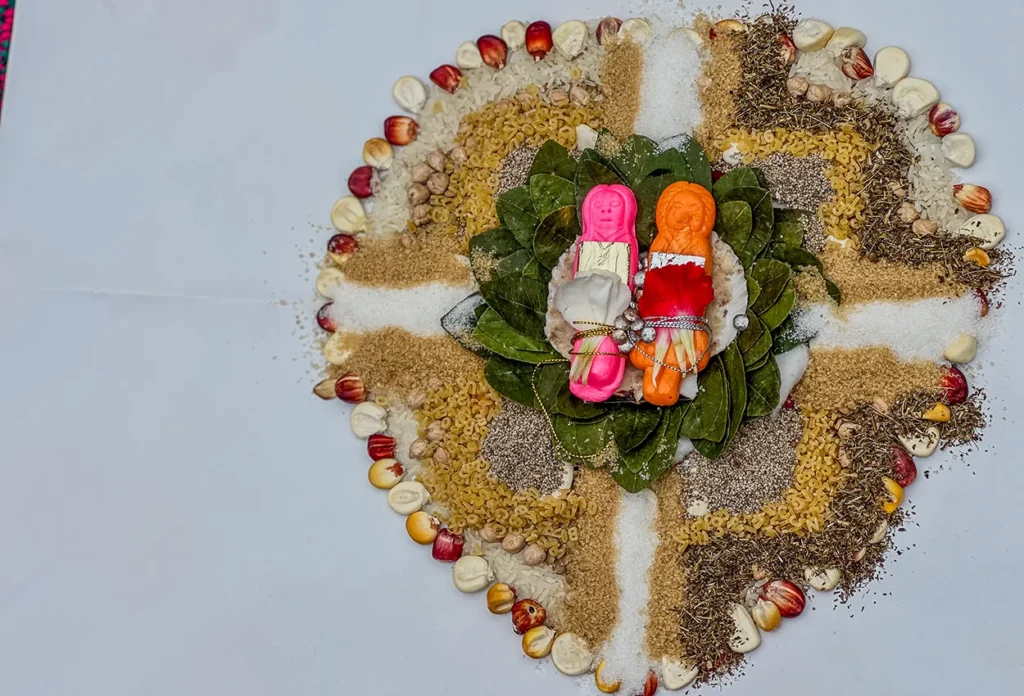
August is dedicated to Pachamama, or Mother Earth, marking a deeply spiritual period in the Andes.
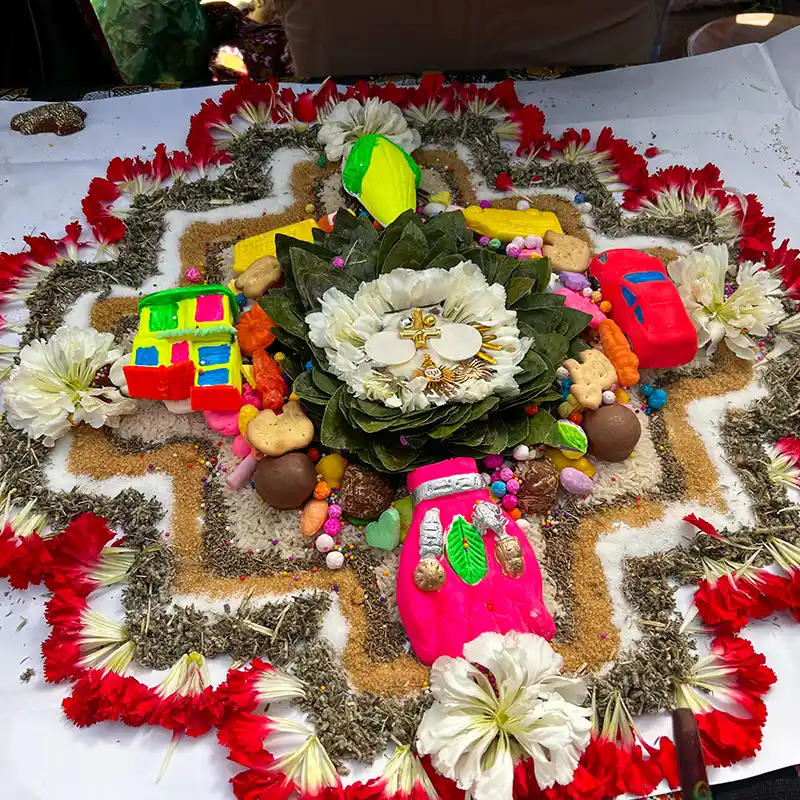
Andean Offerings (Despacho Ceremony)
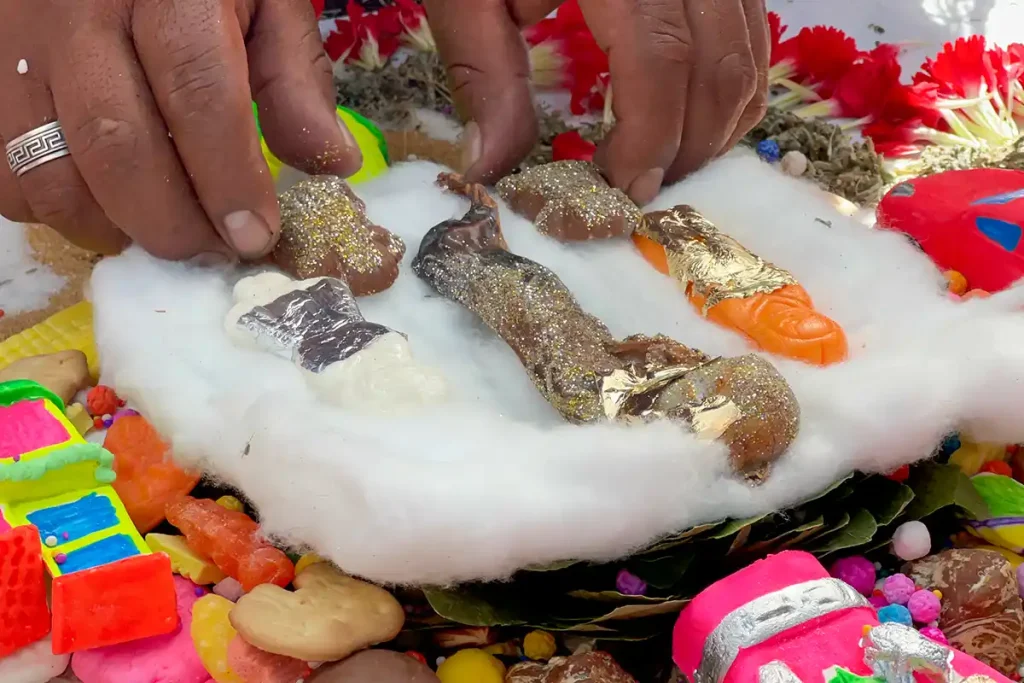
During Pachamama Raymi, communities perform Despacho ceremonies, offering:
- Coca leaves
- Grains
- Sweets
- Flowers
- Wine
The offering is burned or buried as gratitude for agricultural abundance.
Agricultural Cycle Significance
August marks the beginning of the Andean agricultural cycle. It is believed that Pachamama is “hungry” and must be fed to ensure fertility and protection.
This is one of the most authentic expressions of Andean spirituality in Cusco.
September: Warachicuy & Lord of Huanca
September blends history and devotion.
Inca Initiation Rituals (Warachicuy)
Warachicuy reenacts ancient Inca coming-of-age ceremonies. Participants undergo symbolic tests of strength and endurance.
It represents:
- Transition to adulthood
- Civic responsibility
- Inca discipline
Spiritual Pilgrimages (Lord of Huanca)
Thousands travel to the sanctuary of Señor de Huanca seeking healing and miracles.
Pilgrims:
- Walk long distances
- Light candles
- Offer prayers for health
This pilgrimage reflects enduring faith within the most important festivities in Cusco.
December: Santurantikuy Christmas Fair
On December 24th, the Plaza de Armas hosts Santurantikuy, one of the oldest Christmas markets in Peru.
Artisan Traditions
Local artisans sell:
- Hand-carved nativity figures
- Ceramics
- Paintings
- Traditional crafts
Nativity Art in Cusco
Cusco’s nativity scenes often feature:
- Indigenous baby Jesus (Niño Manuelito)
- Andean animals
- Traditional dress
This fusion makes Santurantikuy unique.
Why It’s One of the Most Authentic Christmas Markets in Peru
Unlike commercialized markets, Santurantikuy preserves centuries-old artistic traditions.
“In Cusco, even Christmas carries the colors of the Andes.”
Top 5 Most Important Festivals in Cusco (Ranked by Cultural Impact)
If you want to know about the festivals in Cusco we made a list of the top five festivals that show what the city is all about. These Cusco festivals are special because they are big and lots of people go to them but because they mean a lot to the people who live there. The Cusco festivals have a lot of history and culture, behind them and the people of Cusco really get involved.
This part is to help people who are traveling to Cusco figure out which festivals are the important. The Cusco festivals are a deal and we want to make it easy for travelers to understand what is going on.
Inti Raymi – Festival of the Sun (June 24)
Why it ranks #1:
The Inca Empire is really important to this event. It is the most well known celebration in Cusco.
Inti Raymi Cusco is like a show that happens every year. It is about the Inca winter solstice ceremony. This ceremony is to honor Inti who’s the Sun God.
Inti Raymi Cusco is a symbol of beginnings and good crops. It also shows the connection between the Inca ruler and the whole universe. Inti Raymi Cusco is really, about Inti Raymi Cusco and what it means to the people of Cusco.
Cultural Impact:
- Revives pre-Hispanic ritual structure.
- Reinforces Quechua language and indigenous identity.
- Attracts thousands of international visitors.
- Serves as a symbol of Andean cultural pride.
What makes it unique:
- Ceremony performed in three sacred locations: Qorikancha, Plaza de Armas, and Sacsayhuamán.
- Hundreds of actors in authentic Inca attire.
- Ritual offerings and symbolic sacrifice reenactments.
- Speeches delivered in Quechua.
“Inti Raymi is not just a festival — it is a public affirmation that the Inca spirit still lives in Cusco.”
For many travelers, experiencing Inti Raymi in Cusco is the highlight of their entire trip to Peru.
Corpus Christi Cusco (May/June)
Why it ranks #2:
The reason it is so important is that it shows how different religions can come together in the Andes. Corpus Christi Cusco brings together 15 saints and virgins from parts of the city into one big procession, in the Plaza de Armas.
Each of the saints represents a part of Cusco and when they all come together it shows that the communities are united.
Corpus Christi Cusco is a deal because it brings all these saints and virgins from different neighborhoods together which is really special.
Cultural Impact:
- Strengthens inter-neighborhood identity.
- Preserves colonial-era religious art.
- Integrates Andean music, dance, and costumes.
- Revives ancient Inca ceremonial gathering patterns.
Distinctive Elements:
- Massive golden platforms carrying saint statues.
- Traditional brass bands and dancers.
- The iconic dish Chiriuchu, symbolizing regional unity.
- Multiday celebration involving thousands of participants.
Unlike Inti Raymi, which emphasizes Inca heritage, Corpus Christi Cusco reflects the fusion of Catholicism and Andean spirituality.
“When the saints gather in the Cathedral, it feels as if the entire history of Cusco stands together.”
Qoyllur Rit’i Pilgrimage (May/June)
Why it ranks #3:
Because the Andes’ most holy and spiritually strong pilgrimage is it.
High in the Sinakara Valley, close the holy Mount Ausangate, the Qoyllur Rit’i pilgrimage is observed. It combines Catholic piety with traditional mountain worship practices.
This party is still very religious and community-driven, unlike more tourist events.
Cultural Impact:
- Recognized by UNESCO as Intangible Cultural Heritage.
- Preserves ancient glacier rituals.
- Reinforces Andean cosmology centered on Apus (sacred mountains).
- Draws pilgrims from across Peru and Bolivia.
Key Ritual Elements:
- Night processions illuminated by candles.
- Masked dancers known as Ukukus.
- Prayers at glacier altitudes above 4,500 meters.
- Acts of penance and devotion.
“Qoyllur Rit’i is not watched — it is endured, climbed, and lived.”
For those seeking to understand the spiritual depth behind the most important festivals in Cusco, this pilgrimage offers profound insight.
Cusco Carnival (February)
Why it ranks #4:
Because it is the most joyful and community-centered celebration in the city.
Cusco Carnival (Carnaval Cusqueño) marks a period of agricultural renewal before Lent. It combines playful water traditions with ritual symbolism tied to fertility and abundance.
Cultural Impact:
- Encourages intergenerational participation.
- Preserves agricultural symbolism.
- Strengthens neighborhood solidarity.
- Blends indigenous and colonial traditions.
What makes it special:
- The Yunza (Corta Monte) tree ritual.
- Public dancing in neighborhoods.
- Traditional Carnival gastronomy like Puchero.
- Street-wide water celebrations.
Unlike the solemn tone of religious festivals, Cusco Carnival reflects the playful, communal spirit of Andean life.
“During Carnival, Cusco laughs together, dances together, and renews itself together.”
For travelers wanting interactive experiences within the Cusco festival calendar, Carnival offers full immersion.
Santurantikuy Christmas Fair (December 24)
Why it ranks #5:
Because it preserves one of the oldest artisan traditions in Peru.
Held every December 24 in the Plaza de Armas, Santurantikuy is not just a Christmas market — it is a living exhibition of Andean artistry.
Cultural Impact:
- Supports local artisans.
- Preserves traditional nativity iconography.
- Reinforces religious devotion during Christmas.
- Reflects syncretic Andean-Christian symbolism.
Unique Characteristics:
- Sale of handcrafted nativity figures.
- The presence of Niño Manuelito (Andean Baby Jesus).
- Indigenous representations within Christian scenes.
- Traditional Christmas foods and sweets.
Unlike commercialized holiday markets, Santurantikuy Cusco retains authenticity rooted in colonial and indigenous art traditions.
“In Santurantikuy, faith becomes craftsmanship.”
Why These Five Stand Above the Rest
While the Cusco festivals calendar includes dozens of celebrations throughout the year, these five stand out because they:
- Represent different dimensions of Cusco identity (Inca, Catholic, syncretic, agricultural, artistic).
- Involve large-scale community participation.
- Attract both national and international visitors.
- Preserve centuries-old traditions.
- Define the global image of Cusco as a cultural capital.
Together, they form the core of the most important festivities in Cusco, offering travelers a complete perspective on Andean history, spirituality, and communal life.
Best Time to Visit Cusco for Festivals
The best time to visit Cusco for the festival will depend on what you are hoping to get out of the trip and if your travel goals are to see the most famous festivals, to have a more local traditional experience without the large crowds, or for good weather to attend off the road ceremonies.
There are festivals happening all of the time in Cusco throughout the year, but some months have more of the majorly culturally significant events than other times.
High Season vs Cultural Season
There is an important distinction between tourist high season and cultural high season in Cusco.
Tourist High Season (May–September)
- Dry season in the Andes.
- Clear skies and ideal trekking conditions.
- Peak visitation to Machu Picchu and the Sacred Valley.
- Higher hotel prices and limited availability.
This period overlaps with major festivals, especially in June.
Cultural High Season (May–June)
- Highest concentration of traditional festivals.
- Major events like Inti Raymi, Corpus Christi Cusco, and Qoyllur Rit’i.
- Intense community participation.
- Streets filled with parades, music, and ceremonial rituals.
If your goal is to experience the most important festivities in Cusco, late May and June are unmatched.
June: The Peak of Celebrations
June is widely considered the festival capital month of Cusco.
Key dates include:
- Early June – Corpus Christi celebrations.
- Mid-June – Parades for Cusco Month (Anniversary of the city).
- June 24 – Inti Raymi (Festival of the Sun).
Why June stands out:
- Nearly daily cultural activities.
- Traditional dances from rural communities.
- Public performances in the Plaza de Armas.
- Strong expression of Andean identity.
However, June also means:
- Sold-out hotels weeks in advance.
- Premium ticket prices for Inti Raymi.
- Large crowds in historical sites.
If you want the most iconic experience possible, June is the answer — but it requires advanced planning.
Weather Considerations
Cusco has two main seasons:
🌧 Rainy Season (November–March)
- Frequent afternoon showers.
- Lush green landscapes.
- Fewer tourists.
- Some rural festivals feel more intimate.
Carnival in February happens during this period, offering vibrant celebrations despite occasional rain.
☀ Dry Season (May–September)
- Sunny days, cold nights.
- Ideal for outdoor ceremonies and large gatherings.
- Perfect conditions for festivals like Inti Raymi.
Even in dry season:
- Temperatures drop significantly at night (near freezing in June).
- Sunscreen is essential due to high-altitude UV exposure.
Weather rarely cancels festivals, but it does influence comfort and photography conditions.
Booking Tips During Major Festivals
If traveling during major events like Inti Raymi or Corpus Christi, follow these strategic tips:
1️. Book Accommodation 2–3 Months in Advance
Hotels in the historic center sell out quickly for June.
2️. Secure Festival Tickets Early
Official Inti Raymi tickets often sell out weeks before June 24.
3️. Arrive at Least 2 Days Before the Event
This allows:
- Altitude acclimatization.
- Flexibility in case of schedule changes.
- Time to explore smaller related activities.
4️. Consider Shoulder Months (May or July)
You may still catch important celebrations with slightly fewer crowds.
5️. Work With Local Cultural Operators
For spiritual or traditional experiences (like Andean ceremonies), reputable local organizers ensure authenticity and safety.
Quick Summary: When Should You Visit?
- For the most iconic festivals: June.
- For fewer crowds + authentic traditions: May or early July.
- For colorful local celebrations with fewer tourists: February (Carnival).
- For better prices and availability: Late August–October.
The best time ultimately depends on whether you prioritize cultural intensity, weather stability, or travel comfort.
Religious vs Ancestral Festivals: Understanding the Difference
To really understand Cuscos festival calendar, one must first acknowledge the fact that religious (Catholic) celebrations and ancestral (pre, Hispanic) rituals are two different things and even more importantly, that both of these coexisting nowadays.
Cusco is not the one tradition that defines the city. Rather, its identity is the result of a complex history in which Inca cosmology and Catholic doctrine have been combined to give rise to a unique cultural expression that can only be found in the Andes.
Catholic Influence in Cusco Celebrations
After the Spanish conquest in the 16th century, Catholicism was established as the main institutional religion in Cusco. New churches were constructed on top of Inca temples, and Christian celebrations were added to the Andean calendar.
A very good case in point would be Corpus Christi Cusco, in which the different saints and virgins from various parishes are paraded in procession through the Plaza de Armas.
Characteristics of Catholic-influenced festivals:
- Processions featuring saints and virgins.
- Mass celebrated in the Cathedral of Cusco.
- Religious brotherhoods (cofradías) organizing events.
- Iconography rooted in colonial-era art.
- Festivities aligned with the liturgical calendar.
Other examples include:
- Holy Week processions.
- Christmas celebrations like Santurantikuy.
- Patron saint festivals in rural communities.
While these events follow Catholic doctrine, they are far from purely European in expression — Andean elements are always present.
Pre-Hispanic Rituals Still Practiced Today
The Inca civilization established their way of living long before it began to be colonized. They revolved their lives around the planet’s cycles of agriculture, stars, and their relationship to certain powers in nature including but not limited to the Sun, Moon, and Apus (sacred mountains).
A perfect example of how they honoured their cosmology can be seen in their annual celebration of Inti Raymi (the Festival of the Sun). This is celebrated each year on June 24; however, since colonisation has occurred in Peru, the celebration of Inti Raymi has become more of a historical representation than a true representation of Incan beliefs or ways of life.
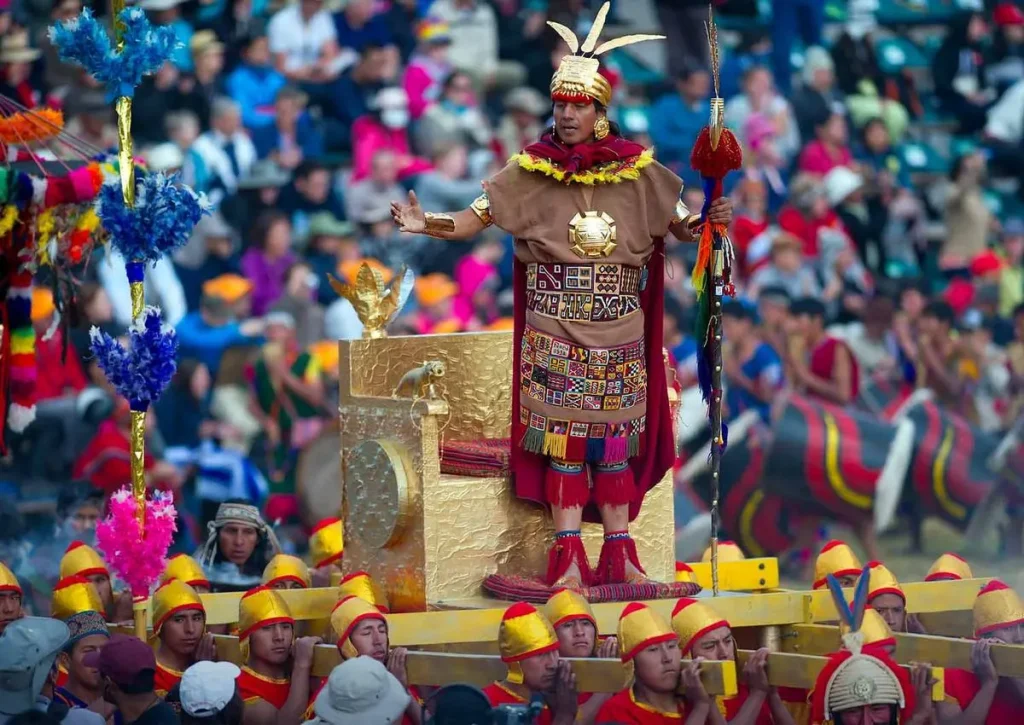
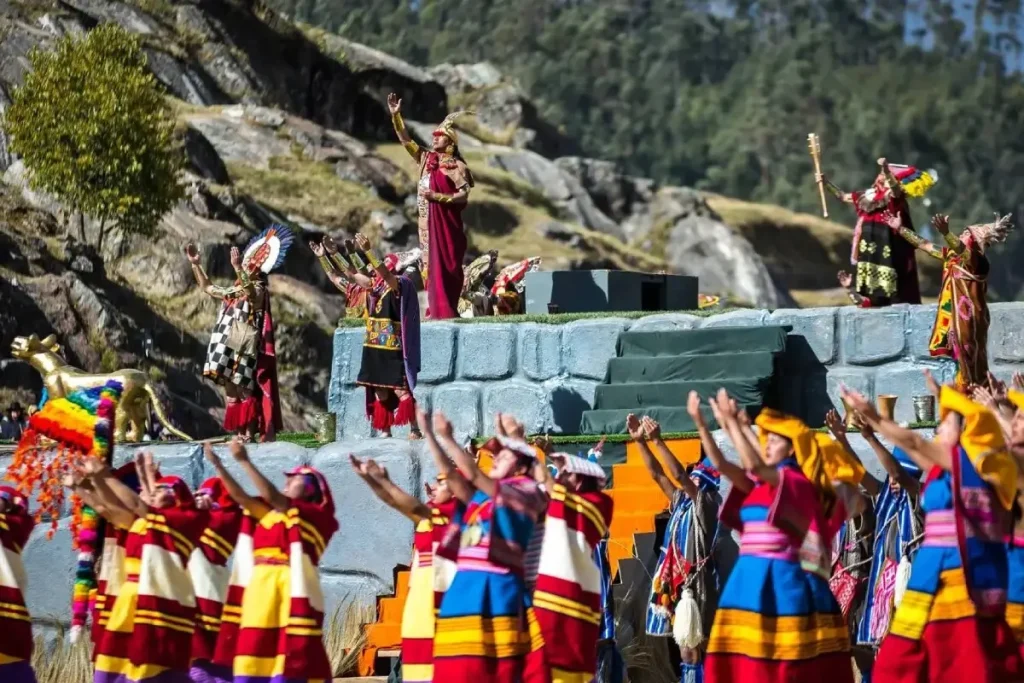
- Honoring Inti (Sun God).
- Requesting agricultural abundance.
- Renewing cosmic balance.
- Reinforcing the sacred authority of the Inca ruler.
Another powerful example is the pilgrimage of Qoyllur Rit’i, where devotion to Christ blends with ancient mountain worship traditions linked to Ausangate.
Pre-Hispanic ritual elements that remain alive today:
- Offerings to Pachamama (Mother Earth).
- Coca leaf readings.
- Mountain pilgrimages.
- Agricultural fertility ceremonies.
- Andean music using ancestral instruments.
These rituals are not performances for tourists — they are living spiritual practices embedded in community life.
Syncretism: Where Two Worlds Meet
Cusco’s most fascinating characteristic is religious syncretism — the blending of Catholic and Andean worldviews into a single cultural expression.
Rather than replacing indigenous beliefs, Catholicism merged with them.
Examples of syncretism include:
- Saints interpreted as protectors of specific Andean communities.
- Catholic feast days aligned with agricultural cycles.
- The Virgin Mary associated symbolically with Pachamama.
- Churches built on top of Inca temples (e.g., Qorikancha → Santo Domingo).
During Corpus Christi, for instance:
- Saints gather in a pattern reminiscent of Inca ceremonial assemblies.
- Indigenous dances accompany Catholic processions.
- Traditional Andean food like Chiriuchu is consumed as a ritual meal.
This blending is not accidental — it is the result of centuries of adaptation and cultural resilience.
In Cusco, Catholic saints walk through streets once ruled by Inca priests, and both traditions coexist without contradiction.
Why Understanding This Difference Matters
For travelers, recognizing the distinction between religious and ancestral festivals in Cusco allows for:
- Deeper cultural respect.
- Better interpretation of symbolism.
- Meaningful participation in ceremonies.
- Greater appreciation of Andean identity.
Cusco is not simply a colonial city with Inca ruins — it is a place where two spiritual universes continue to shape everyday life.
Travel Tips for Experiencing Cusco Festivals
Going to a festival in Cusco is definitely one of the top cultural experiences you can have in South America. But the thing with big festivals like Inti Raymi and Corpus Christi ones in Cusco is that they’re going to bring in hundreds of thousands of visitors which is why it’s a must to plan ahead. Here are some great travel tips that will guide you to enjoy the festivals in Cusco while being safe, respectful, and comfortable.
How Early to Book Accommodation
During major festivals — especially in June — accommodation sells out quickly.
Recommended booking timeline:
- Inti Raymi (June 24): Book 3–6 months in advance.
- Corpus Christi (May/June): Book 2–4 months in advance.
- Qoyllur Rit’i (May/June): Book early if combining with trekking.
- Carnival (February/March): 1–3 months in advance.
- Santurantikuy (December 24): 1–2 months in advance.
💡 Pro tip:
If you want balcony views over the Plaza de Armas for processions, secure reservations as early as possible — those rooms sell out first.
Also consider:
- Staying in San Blas for a quieter atmosphere.
- Booking flexible rates in case festival dates shift (some follow lunar calendars).
Safety Tips During Large Events
Cusco is generally safe, but large crowds require awareness.
Key safety recommendations:
- Keep valuables secure (use anti-theft backpacks).
- Avoid carrying passports during crowded events.
- Arrive early to avoid aggressive crowd surges.
- Stay hydrated — high altitude increases dehydration risk.
- Identify meeting points if traveling in a group.
Altitude reminder:
Cusco sits at 3,399 meters (11,152 ft). If you plan to attend long outdoor ceremonies (like Inti Raymi at Sacsayhuamán), acclimatize for at least 1–2 days beforehand.
Cultural Etiquette for Visitors
Cusco’s festivals are not just tourist attractions — they are deeply meaningful community events.
Understanding local etiquette enhances your experience and shows respect.
Do:
- Dress modestly, especially during religious processions.
- Ask permission before photographing individuals.
- Observe rituals quietly.
- Follow instructions from local organizers.
Avoid:
- Interrupting ceremonial dances.
- Blocking procession routes.
- Treating sacred rituals as performances.
- Public intoxication during religious events.
In Andean communities, festivals reinforce identity, spirituality, and social bonds. Visitors are welcome — but respectful participation is essential.
Photography and Respectful Participation
Photography is generally allowed during public festivals, but context matters.
Best practices for photography:
- Always ask before close-up portraits.
- Avoid flash during religious ceremonies.
- Do not enter restricted ritual spaces.
- Offer a small tip if someone poses intentionally.
During ancestral rituals (like offerings to Pachamama or mountain pilgrimages), photography may be inappropriate. When in doubt, observe first and follow the community’s lead.
Final Recommendation
To truly experience Cusco’s festivals:
- Plan months in advance.
- Respect cultural and spiritual boundaries.
- Stay mindful of altitude and crowds.
- Engage with curiosity rather than spectacle.
Cusco’s celebrations are not staged events — they are living traditions shaped by centuries of history. When approached with respect, they become unforgettable experiences that go far beyond tourism.
Ancestral Ceremonies in Cusco: Living Spiritual Traditions
Beyond its public festivals, Cusco is also a center for living Andean spirituality. While celebrations like Inti Raymi represent collective cultural memory, many ancestral practices continue today in more intimate ceremonial contexts.
It’s important to understand the distinction:
- Festivals are public, communal, and often syncretic (Catholic + Andean).
- Spiritual ceremonies such as Ayahuasca or Wachuma are private, guided healing rituals rooted in indigenous cosmology.
These ceremonies are not performances — they are spiritual processes guided by trained healers (often called paqos or curanderos).
Ayahuasca Ceremonies in Cusco
Although Ayahuasca originates in the Amazon rainforest, Cusco has become a major hub for those seeking an ayahuasca ceremony in Cusco or a broader ayahuasca retreat in Peru.
Ayahuasca Retreat 1 Day Cusco
Experience a traditional Ayahuasca retreat in Cusco guided by experienced shamans in a safe, respectful, and authentic environment.
Book Now2-Day Ayahuasca Retreat Cusco
This 2-day Ayahuasca retreat in Cusco is a carefully guided experience created for those seeking deeper healing, clarity, and spiritual connection.
Book NowOrigin of Ayahuasca and Its Expansion to Cusco
Ayahuasca is a sacred plant medicine traditionally used by Amazonian cultures in Peru, Brazil, and Colombia. It is brewed from the Banisteriopsis caapi vine combined with other plants.
Originally practiced in jungle regions, its use expanded to Cusco and the Sacred Valley due to:
- Growing global interest in spiritual healing.
- Cusco’s role as a spiritual gateway to the Andes.
- Retreat centers established near the Sacred Valley.
While geographically Andean, many ceremonies in Cusco are facilitated by Amazonian-trained healers.
Difference Between Festival Celebrations and Private Healing Ceremonies
It’s crucial not to confuse Ayahuasca rituals with public festivals.
| Festivals | Ayahuasca Ceremonies |
| Public events | Private group settings |
| Cultural celebration | Personal healing process |
| Often syncretic | Typically indigenous-led |
| Daytime | Usually conducted at night |
Ayahuasca ceremonies focus on:
- Emotional healing
- Spiritual insight
- Trauma processing
- Personal transformation
They are structured, intentional, and guided.
Spiritual Preparation and Intentions
Preparation is considered essential for a meaningful experience.
Most reputable centers recommend:
- A pre-ceremony diet (no alcohol, red meat, processed foods).
- Mental clarity and clear intentions.
- Avoiding medications that interact negatively.
- Emotional readiness.
In Andean worldview, intention (intención) directs the energy of the ceremony.
Best Time of Year for an Ayahuasca Retreat
Ayahuasca ceremonies in Cusco operate year-round, but seasons affect the experience:
- Dry season (May–September): Clear skies, cooler nights, peak tourism.
- Rainy season (November–March): Lush landscapes, fewer tourists, more introspective atmosphere.
Many travelers combine retreats with major festivals in June — though ceremonies are typically conducted separately from festival activities.
San Pedro (Wachuma) Ceremony in the Andes
If Ayahuasca belongs to the Amazon, Wachuma (San Pedro) belongs to the Andes.
For those researching a wachuma ceremony in Cusco or San Pedro ceremony in Peru, this is one of the most culturally rooted Andean spiritual traditions still practiced today.
San Pedro (Wachuma) Ceremony in Cusco
Awaken your spirit with San Pedro ceremonies, connecting with nature, ancient wisdom, and profound heart-opening spiritual experiences.
Book NowWhat Is Wachuma?
The San Pedro cactus (Wachuma) is a revered medicinal plant from the Andes which embodies an extensive cultural history of spiritual connection to people.
Read ArticleWhat Is Wachuma and Its Pre-Inca Origins
Wachuma (commonly called San Pedro cactus) has been used ceremonially in the Andes for over 3,000 years — long before the Inca Empire.
Archaeological evidence from northern Peru shows depictions of the cactus in ancient temple iconography.
In Andean cosmology, Wachuma is associated with:
- Heart-opening awareness
- Connection to nature
- Harmony with Pachamama
- Community bonding
Unlike Ayahuasca, which is often inward and visionary, Wachuma is described as expansive and grounding.
Connection Between Pachamama Festivals and Wachuma Rituals
Many Andean ceremonies honoring Pachamama (Mother Earth) include offerings known as despachos.
Wachuma rituals often incorporate:
- Offerings to the earth
- Mountain invocations (Apus)
- Fire ceremonies
- Blessings with coca leaves
This creates a strong connection between Andean festivals and private spiritual work.
For example:
- Agricultural festivals emphasize reciprocity with the earth.
- Wachuma ceremonies deepen that same relationship at an individual level.
How a San Pedro Ceremony Is Conducted in Cusco
San Pedro ceremonies usually take place during the day, often in natural settings such as the Sacred Valley.
Typical structure:
- Opening prayer and intention setting.
- Offering to Pachamama.
- Consumption of the Wachuma brew.
- Guided reflection, music, or silent integration.
- Closing ceremony at sunset.
The experience may last 8–12 hours and is generally described as:
- Gentle but profound.
- Emotionally clarifying.
- Deeply connected to landscape and mountains.
Differences Between Ayahuasca and San Pedro
Although both are plant medicines used in spiritual ceremonies in Cusco, their energies and settings differ significantly.
| Ayahuasca | San Pedro (Wachuma) |
| Amazonian origin | Andean origin |
| Night ceremony | Daytime ceremony |
| Visionary & introspective | Expansive & heart-centered |
| Often indoors | Often outdoors |
| Intense emotional processing | Grounded spiritual clarity |
Choosing between them depends on personal intention and readiness.
Cultural and Ethical Considerations
If exploring Andean spiritual ceremonies:
- Choose reputable, ethically run centers.
- Prioritize safety and proper screening.
- Avoid mixing ceremonies with heavy festival partying.
- Respect indigenous knowledge and lineage.
These practices are sacred traditions — not tourist attractions.
Coca Leaf Reading (Coca Leaf Divination Ceremony)
Among the most genuine spiritual rituals in the Andes, coca leaf reading is a truly ancient and culturally embedded ceremony in Cusco. Various articles talk more about the festivals or plant medicines, only a handful delve into the sacred ritual of coca divination, although it is deeply rooted in the everyday life of the Andes.
Visitors looking for coca leaf reading Cusco, hoja de coca ritual Peru, or Andean shaman coca ceremony will find that this age, old practice is the best way to connect with the living Andean cosmology.
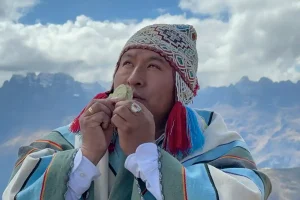
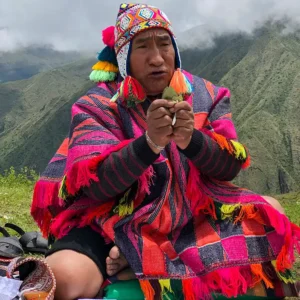


Sacred Meaning of Coca in Andean Culture
Coca leaves are not considered a drug in traditional Andean culture — they are sacred.
For centuries, coca has symbolized:
- Communication with the Apus (sacred mountain spirits)
- Reciprocity with Pachamama (Mother Earth)
- Spiritual clarity and guidance
- Social bonding and hospitality
In fact, coca leaves are present in nearly every Andean ritual — from agricultural festivals to healing ceremonies and mountain pilgrimages like Qoyllur Rit’i.
In Andean worldview, coca is a mediator between humans and the spiritual world.
How a Coca Leaf Reading Is Performed
A traditional coca leaf reading is conducted by an Andean priest or paq’o.
Typical structure:
- Opening invocation to Pachamama and the Apus.
- The participant shares intentions or questions.
- The paq’o selects a handful of coca leaves.
- The leaves are gently blown upon (infused with breath and prayer).
- They are cast onto a cloth.
- The reader interprets patterns, orientation, and symbolic groupings.
Interpretations may focus on:
- Personal challenges
- Emotional blockages
- Spiritual alignment
- Upcoming life decisions
- Energetic imbalances
Unlike plant medicine ceremonies, coca leaf readings are gentle, sober, and accessible. They are often recommended for travelers seeking spiritual insight without psychoactive experiences.
When Travelers Seek This Ceremony
Visitors typically seek a coca reading when:
- Beginning a long journey (e.g., before trekking to Machu Picchu).
- Seeking clarity during life transitions.
- Preparing for a wedding or spiritual ceremony.
- Exploring Andean traditions respectfully.
Because it is short (usually 45–90 minutes) and non-psychoactive, it is one of the most culturally appropriate and accessible spiritual experiences in Cusco.
Andean Wedding Ceremony (Traditional Inca Marriage Ritual)
If you and your partner are looking for something more meaningful to unite you, why not consider an Andean wedding ceremony in Cusco? This type of wedding is an excellent, very symbolic, and unique alternative to the conventional western, style wedding rituals.
The term ‘Inca wedding ceremony in Peru‘ or ‘spiritual wedding in the Andes‘ is often used interchangeably to describe the ritual that beautifully integrates ancestral cosmology and the structure of a modern ceremony.
Nowadays, the ceremonies, which are based on the ancient Inca tradition, represent a symbolic spiritual union between the couple more so than a legally binding marriage (unless the couple opts to have a civil registration at the same time).
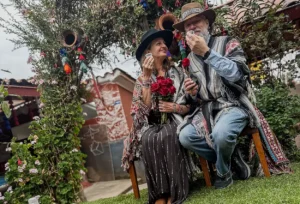


Symbolism of the Andean Wedding
The Andean wedding centers on the principle of Ayni — sacred reciprocity.
Core symbolic meanings include:
- Union not only between two individuals, but between families.
- Commitment witnessed by the mountains (Apus).
- Harmony between masculine (sun) and feminine (moon) energies.
- Blessing from Pachamama.
Unlike Western weddings focused on contracts, this ceremony emphasizes energetic and spiritual balance.
Pachamama Offering During the Ceremony
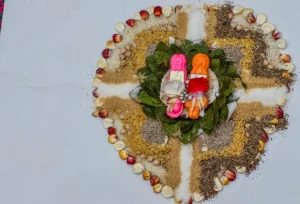
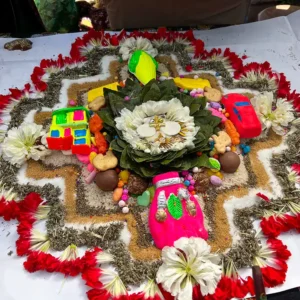
A central component is the despacho ceremony — an offering bundle prepared with:
- Coca leaves
- Flowers
- Seeds
- Sweets
- Colored threads
- Symbolic miniature objects
The despacho represents:
- Gratitude to Mother Earth.
- Intentions for abundance and fertility.
- Protection for the couple’s future.
It is usually buried or burned ceremonially as an offering.

Traditional Clothing and Ritual Elements
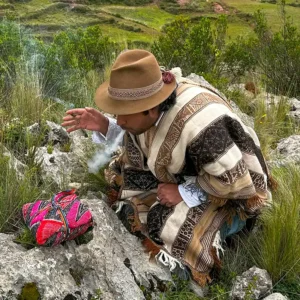
Many couples choose to wear traditional Andean attire:
- Handwoven ponchos for grooms.
- Llicllas (woven shawls) for brides.
- Flower crowns.
- Chumpis (woven belts symbolizing union).
Music often includes:
- Pututos (conch shells).
- Traditional Andean flutes.
- Drumming and chanting.
Ceremonies are commonly held in the Sacred Valley or near archaeological sites such as Sacsayhuamán, enhancing the spiritual atmosphere.
Why Couples Choose Cusco for a Spiritual Wedding
Cusco has become a destination for couples seeking:
- A meaningful alternative to conventional weddings.
- A culturally rich and spiritual experience.
- A private, nature-based ceremony.
- A symbolic renewal of vows.
The Andes provide a dramatic natural backdrop — but more importantly, they offer a cosmology centered on balance, gratitude, and sacred connection.
For many, an Andean wedding is not about spectacle — it is about intention.
Cultural Integrity and Responsible Participation
When participating in:
- Coca leaf readings
- Wachuma ceremonies
- Ayahuasca retreats
- Andean weddings
It is essential to:
- Work with experienced, ethically guided facilitators.
- Understand the cultural roots of each practice.
- Avoid commodified or superficial versions.
- Approach ceremonies with humility and respect.
These are living traditions — not staged performances.
The Difference Between Public Festivals and Private Spiritual Ceremonies
To truly understand Andean spirituality and the broader spiritual culture of Cusco, it is essential to distinguish between two fundamental expressions of tradition:
- Public festivals (collective, visible, community-driven)
- Private spiritual ceremonies (intimate, guided, transformational)
Although they may share symbols, music, and ancestral roots, their purpose and structure are very different.
Understanding this distinction strengthens semantic relevance for topics such as:
- andean spirituality
- shamanic traditions Peru
- spiritual culture Cusco
Community Celebrations vs Personal Healing Rituals
Public festivals — such as Inti Raymi or Corpus Christi Cusco — are designed to reinforce collective identity.
They:
- Celebrate agricultural cycles.
- Strengthen neighborhood bonds.
- Honor saints or deities publicly.
- Preserve cultural memory.
- Involve music, dance, and procession.
These events are social by nature. Entire communities participate, and visitors are observers of a shared cultural expression.
In contrast, private spiritual ceremonies — such as:
- Wachuma rituals
- Ayahuasca ceremonies
- Coca leaf readings
- Andean weddings
— focus on personal healing and spiritual alignment.
These rituals are:
- Guided by a shaman (paq’o or curandero).
- Intention-based.
- Conducted in small groups or one-on-one.
- Structured around transformation rather than celebration.
Key difference:
Festivals reinforce community identity.
Ceremonies transform individual consciousness.
Religious Processions vs Shamanic Ceremonies
Religious processions in Cusco with saints and carrying tend to take origin from Catholic tradition.
Masses are held in colonial churches and public devotion is central.
On the other hand, shamanic ceremonies manifest ancient Andean shamanic traditions in Peru which were not influenced by the colonial period.
Let’s compare them clearly:
| Religious Processions | Shamanic Ceremonies |
| Catholic framework | Pre-Hispanic cosmology |
| Church-centered | Nature-centered |
| Public & ceremonial | Intimate & ritualistic |
| Fixed liturgical calendar | Flexible, intention-driven |
| Led by clergy | Led by Andean healers |
Shamanic ceremonies often take place:
- In the Sacred Valley
- In mountain settings
- Around fire altars
- During solstices or personal life transitions
They are experiential rather than observational.
How Both Reflect the Andean Worldview
Despite their differences, both festivals and ceremonies reflect the same underlying Andean worldview:
1. Reciprocity (Ayni)
Life is based on balance and exchange — between humans, nature, and spirit.
2. Sacred Landscape
Mountains (Apus), rivers, and the earth are living beings.
3. Cyclical Time
Agricultural cycles and celestial events structure celebration and ritual alike.
4. Community Centrality
Even private rituals exist within a broader communal cosmology.
This is what makes Cusco unique:
It is not divided between religion and spirituality — it integrates both.
Public festivals express identity outwardly.
Private ceremonies cultivate spiritual depth inwardly.
Together, they form the foundation of spiritual culture in Cusco.
Experiencing Cusco Beyond Festivals: Immersive Cultural Activities
While attending a major festival is unforgettable, travelers seeking deeper connection often look for immersive experiences beyond observation.
Cusco offers opportunities to move from spectator to participant — respectfully and ethically.
Participating in a Traditional Ceremony
If your interest goes beyond photography and parades, consider participating in:
- A Pachamama offering (despacho ceremony)
- A coca leaf reading
- A guided Wachuma ceremony
- An Andean blessing ritual
These experiences allow you to:
- Engage with living Andean spirituality.
- Understand symbolism firsthand.
- Build meaningful cultural exchange.
👉 Strategic Tip:
Look for small-group ceremonies led by locally recognized practitioners rather than mass-market experiences.
Booking a Spiritual Retreat in Cusco
Cusco and the Sacred Valley have become centers for spiritual retreats focused on:
- Meditation and Andean cosmology
- Plant medicine integration
- Yoga combined with indigenous ceremony
- Cultural immersion programs
When booking a retreat:
- Research facilitator lineage and training.
- Verify health and safety protocols.
- Avoid centers that over-commercialize sacred practices.
- Seek transparency regarding ceremony structure.
A well-structured retreat integrates:
- Ceremony
- Reflection
- Cultural education
- Ethical engagement
This transforms a trip into a personal journey.
Ethical and Responsible Cultural Tourism
Responsible travel is essential when engaging with indigenous traditions.
Best practices include:
- Paying fair prices that support local communities.
- Avoiding exploitative or staged rituals.
- Respecting photography boundaries.
- Learning basic cultural context before participation.
- Supporting locally owned businesses.
Ethical tourism ensures that:
- Traditions remain authentic.
- Communities benefit economically.
- Sacred practices are not diluted for entertainment.
Final Reflection
Cusco is more than a destination with colorful festivals.
It is:
- A living spiritual landscape.
- A meeting point of Catholic and pre-Hispanic worlds.
- A center of Andean shamanic tradition.
- A place where celebration and ceremony coexist.
Visitors can choose to simply attend a festival — or to experience the deeper layers of Andean spirituality.
Both paths are valid.
But understanding the difference makes all the difference.
Frequently Asked Questions About Festivals and Spiritual Ceremonies in Cusco
Below you’ll find clear answers to the most common questions travelers have about festivals, Andean spirituality, and shamanic traditions in Peru.
What is the most important festival in Cusco?
The most important festival in Cusco is Inti Raymi, the Festival of the Sun.
Celebrated every June 24, it commemorates the Inca winter solstice and honors Inti, the Sun God. It is the largest historical reenactment in South America and the highlight of Cusco’s cultural calendar.
Other major celebrations include Corpus Christi Cusco and Qoyllur Rit’i.
When is Inti Raymi celebrated?
Inti Raymi is celebrated every year on June 24.
The ceremony takes place in three main locations:
- Qorikancha (Temple of the Sun)
- Plaza de Armas
- Sacsayhuamán archaeological site
June is considered the peak of Cusco’s cultural season.
Are Cusco festivals safe for tourists?
Yes, Cusco festivals are generally safe for tourists.
However, because events attract large crowds, visitors should:
- Keep valuables secure.
- Avoid displaying expensive items.
- Stay hydrated due to high altitude (3,399 m / 11,152 ft).
- Arrive early to avoid crowd surges.
Police presence is typically increased during major events.
Do I need tickets for festival events?
It depends on the event.
- Public street celebrations (e.g., Carnival, Corpus Christi processions) are free.
- Inti Raymi at Sacsayhuamán requires an official ticket for seated viewing areas.
- Balcony views over the Plaza de Armas must be reserved in advance.
Tickets for Inti Raymi often sell out weeks or months ahead.
What should I wear during festival season?
Cusco has strong sun during the day and cold temperatures at night — especially in June.
Recommended clothing:
- Layers (thermal base + sweater + jacket)
- Comfortable walking shoes
- Hat and sunscreen
- Rain jacket (if traveling during rainy season, November–March)
Altitude and sun exposure are stronger than many travelers expect.
Is Ayahuasca part of traditional Cusco festivals?
No, ayahuasca is not one of the public festivals of Cusco.
Inti Raymi or Corpus Christi are the public cultural festivals in Cusco whereas ayahuasca is a medicine of the Amazon region and is done in private healing ceremonies, not festivals.
Even if tourists find ayahuasca ceremonies in Cusco, these come from a different tradition than the festivals.
What is the difference between San Pedro and Ayahuasca?
Both are plant medicines used in spiritual ceremonies, but they differ significantly:
- Ayahuasca
- Amazonian origin
- Night ceremony
- Intense, introspective, visionary
- Often emotionally deep and challenging
- San Pedro (Wachuma)
- Andean origin
- Daytime ceremony
- Heart-opening and grounding
- Strong connection to nature and mountains
San Pedro is more directly connected to Andean spiritual traditions.
Are Andean wedding ceremonies legally recognized?
Most Andean wedding ceremonies in Cusco are symbolic spiritual unions.
They are not legally binding unless combined with a separate civil ceremony through Peruvian authorities.
Couples typically choose them for:
- Spiritual symbolism
- Cultural immersion
- Vow renewal
- Sacred mountain blessings
Can tourists participate in coca leaf readings?
Yes, tourists can respectfully participate in coca leaf readings in Cusco.
These ceremonies are:
- Non-psychoactive
- Short (usually under 90 minutes)
- Guided by an Andean priest (paq’o)
They are often sought for clarity, blessing, or spiritual guidance before major journeys or life transitions.
Is it safe to attend spiritual ceremonies in Cusco?
Spiritual ceremonies can be safe when conducted responsibly.
Before booking:
- Choose reputable facilitators with experience.
- Confirm health screening procedures.
- Avoid mixing plant medicine with alcohol or party environments.
- Disclose any medical conditions.
Ethical centers prioritize participant safety, cultural integrity, and proper preparation.