San Pedro Wachuma Effects: Benefits, Risks, and Ceremonial Use in the Andes
 By PumAdventures
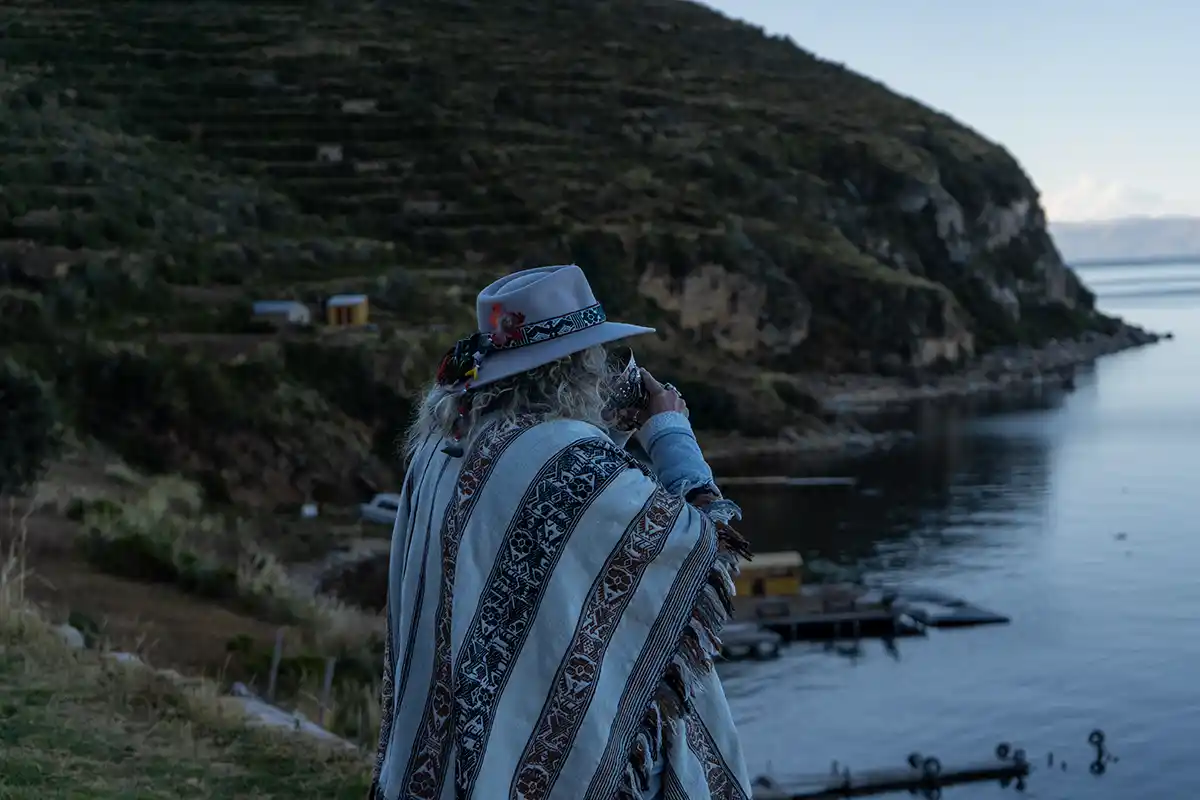
Have you ever experienced a call toward ancient knowledge and understanding that would allow you to access hidden dimensions of your mind and soul? The San Pedro Wachuma effects have enchanted spiritual travelers, visionaries, and healers for centuries, leading on a profound journey through visions, emotional release, and connection with mother earth. This Andean sacred cactus is not just another plant – it is a teacher that imparts truths in ways obscured by the distractions of modern life.
Have you ever thought about the cactus that Andean shamans really respect for its deep spiritual insights? San Pedro Wachuma, also known as Echinopsis pachanoi has been really important, for healing for thousands of years. This guide will look at what it does its importance and how people use it today especially in Cusco, Peru.
What is San Pedro Wachuma?
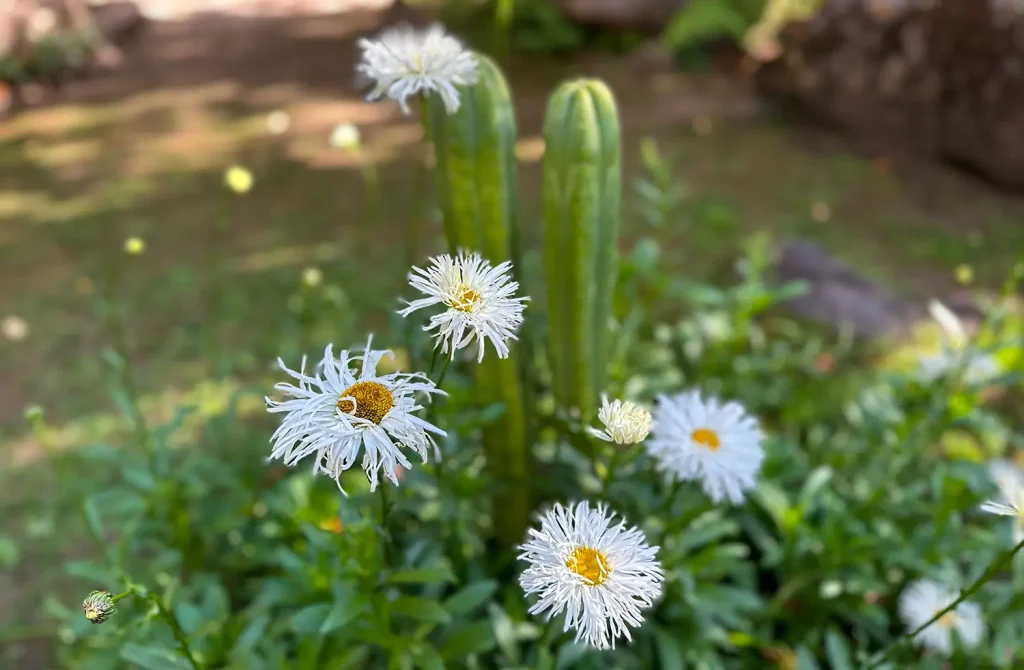
The San Pedro Wachuma is a large cactus that belongs to the columnar category of cacti and grows on high plateaus in the Andes mountains (Peru, Ecuador, Bolivia). The average height of a Wachuma (San Pedro) can reach upwards of 20 feet and has a glazed-green surface, showing little effect from drought (due to thick outer skin) and providing an interesting visual image. Unlike Peyote, which is the most commonly known psychedelic cactus, San Pedro grows in high altitude mountain regions from 6,500 feet to 10,000 feet.
There are several names that are used locally to refer to the Wachuma. To the Quechua people, it is called Wachuma, while in some localities it is referred to as Huachuma, and in English it can be referred to as the Saint Peter Cactus (an allusion to the “keys to heaven” found in the Bible). The psychoactive qualities of the plant primarily result from mescaline (a naturally occurring alkaloid), which produces altered states of consciousness when ingested by humans. However, in addition to the chemical properties involved in producing an alteration of consciousness, the cultures of the Andes have traditionally viewed Wachuma as a teaching plant, or a way to connect to the creator.
The traditional method of preparation requires the removal of the outer green layer (the source of mescaline) from the cactus and boiling it into a bitter, thick liquid. A typical dose would be 20 to 30 cm of cactus, equivalent to 200 to 400 mg of mescaline. This artistic method of preparation is observed to illustrate that the purpose of the San Pedro Wachuma extends beyond just recreational use; it is also used as a type of medicine, sacrament, and portal.
History and Cultural Significance
Ancient Roots in Andean Civilizations
San Pedro’s use goes back more than 4,000 years according archeological data. Stone sculptures showing shamans holding the cactus can be found at Chavín de Huántar, a ceremonial center in Peru from 1200–500 BCE. Its importance in divination and healing rituals is shown even more by textiles from the Paracas civilization (800-100 BCE) and Moche ceramics (100-700 CE).
Shamans, also called curanderos or healer-priests, used Wachuma in these cultures to diagnose diseases, anticipate events, and communicate with apus (mountain spirits). Though colonial governments worked to eliminate it as “devil’s work,” Spanish chroniclers such Cieza de León in the 16th century noted its usage. Still, the custom persisted secretly.
Wachuma in Modern Indigenous Practices
Wachuma ceremonies in northern Peru and around Cusco remain popular today. The Ministry of Culture in Peru declared San Pedro cultural patrimony for that same region in 2022. The Quechua and Mestizo healers continue to pass down their wisdom through the oral tradition—across generations—focusing on the reciprocity to and with nature called ayni.
Cusco, the ‘spiritual capital of the Inca Empire,” has a close association with the concept of Pachakuti, or “world renewal,” which ties to Wachuma ceremonies. The incorporation of Inca, pre-Inca and even Catholic traditions demonstrates the ‘mixing’ or ‘blending’ of these different cultures in Northern Peru. During ceremonies, shamans often call upon Saint Peter to ‘open the gates’ to the visceral experience for participants while at the same time creating sanctity around that experience.

Chemical Composition and How It Works
Key Alkaloids in San Pedro
Ranging by plant age, soil, and elevation, San Pedro has 0.05% to 4.7% mescaline by dry weight. Tyramine, hordenine, and anhalonidine among other alkaloids modify its effects; tyramine gives a stimulant kick, whereas some recipes include hordenine and other alkaloids to reduce nausea.
Chemically 3,4,5-trimethoxyphenethylamine, mescaline copies serotonin and attaches to 5-HT2A receptors in the brain. This sets off a cascade: visual cortex hyperactivity causes synesthesia and patterns whereas default mode network disturbance results in ego dissolution.
Pharmacokinetics
Following consumption, effects begin in 45 to 90 minutes, peak at 3 to 4 hours, and fade over 8 to 12 hours. Metabolized by the liver into non-psychoactive chemicals, mescaline has a half-life of roughly six hours. Orally bioavailability is good, but first-pass metabolism decreases power somewhat.
Factors like gastric contents affect intensity; empty stomachs speed beginning but magnify purge. Critical are set/setting and hydration; dehydration aggravates physical pain.
San Pedro (Wachuma) Effects
Physical Effects
The trip starts with gastrointestinal “purging”—nausea and vomiting about 30–60 minutes in, considered as clearing pollutants. With pupils dilating and body temperature fluctuating, heart rate and blood pressure increase somewhat, much like a brisk stroll.
Users sometimes report increased sensory acuity: sounds get depth, textures feel alive, and colors intensify. Once purging stops, there is a soft body high resembling warm waves running across limbs that helps to encourage relaxation.
Psychological and Emotional Effects
Wachuma helps to remove cognitive blocks. Nonlinear thoughts show buried patterns in life. Many find emotional release—tears for past pains, laughter for nonsense. Empathetic impulses help to build self-self and link to others.
Good vacations provide clarity, revelations about relationships or goals, and euphoria. Negative ones may bring up buried wounds shown as anxiety or paranoia. Deep dives are made possible by duration; ten hours feels like weeks of compressed therapy.
Visual and Spiritual Effects
Less “cartoonish” than LSD, hallucinations are open-eye geometries—fractals, lattices, serpents—more natural. Opened-eye worlds present as Andean terrain or ancestral dialogues. Tastes become colors; touches resonate emotionally; synesthesia combines senses.
Spiritually it’s the connective tissue to the universe. Users share experiences of joining with nature, chatting with plants, or encountering apus. In Cusco rituals, this helps integration by matching sumi (good energy) against huni (negative).
Timeline of a Typical Wachuma Experience
- Preparation (0-45 min): Intention-setting, often with coca leaf readings. Mild anticipation builds.
- Onset (45-120 min): Purging peaks; body tingles, mind quickens.
- Climb (2-4 hours): Visuals intensify, emotions surface. Peak introspection.
- Plateau (4-8 hours): Profound insights, timelessness. Physical ease returns.
- Descent (8-12 hours): Integration begins; glow lingers.
- Afterglow (24-72 hours): Heightened mood, sensitivity.
Individual variance is huge—novices might ride waves gently, veterans plumb depths.

Benefits and Therapeutic Potential
Mental Health Applications
Anecdotal accounts from Cusco retreats point up Wachuma’s role in addressing PTSD and depression. Like psilocybin studies, ego-death enables point-of-view changes. Eighty percent of those polled in a 2019 ICEERS poll said their mood permanently improved.
Emerging studies indicate mescaline helps in addiction recovery; its emetic qualities represent purging of dependences. Communal support enhances healing in group settings.
Physical and Holistic Benefits
Apart from the mind, San Pedro exhibits antioxidant and anti-inflammatory characteristics in laboratory studies. Conventional application for altitude sickness uses its vasodilatory properties. Though this mixes science with magic, some healers assert it balances chakras.
In Cusco’s despachos (offering ceremonies), Wachuma improves energy flow that is claimed to help chronic discomfort or exhaustion.
Risks and Side Effects
Common Adverse Reactions
Nausea/vomiting has a prevalence of 70–90%; beneficial spiritually yet excruciating physically. Individuals with cardiac problems run the risk of cardiovascular strain—that is, tachycardia up to 120 beats per minute. Post-ceremony, insomnia is quite frequent.
Psychologically, “bad trips” comprise body-load paranoia or circles of dread. Though uncommon, flashbacks are recorded.
Contraindications and Interactions
Avoid if pregnant, schizophrenic, or on SSRIs/MAOIs—serotonin syndrome looms. History of bipolar? Risk mania. High doses (>500mg mescaline) blur into delirium.
Legal gray areas persist; Peru allows traditional use, but export is banned. Adulterated brews pose toxicity risks.
| Effect Category | Positive Outcomes | Potential Risks |
| Physical | Sensory enhancement, purging cleanse | Nausea, hypertension, dehydration |
| Psychological | Insight, emotional release | Anxiety, confusion, paranoia |
| Duration | Deep immersion (8-12 hrs) | Exhaustion, next-day fatigue |
| Spiritual | Unity, visions | Overwhelm, disorientation |
San Pedro Wachuma Ceremonies in Cusco
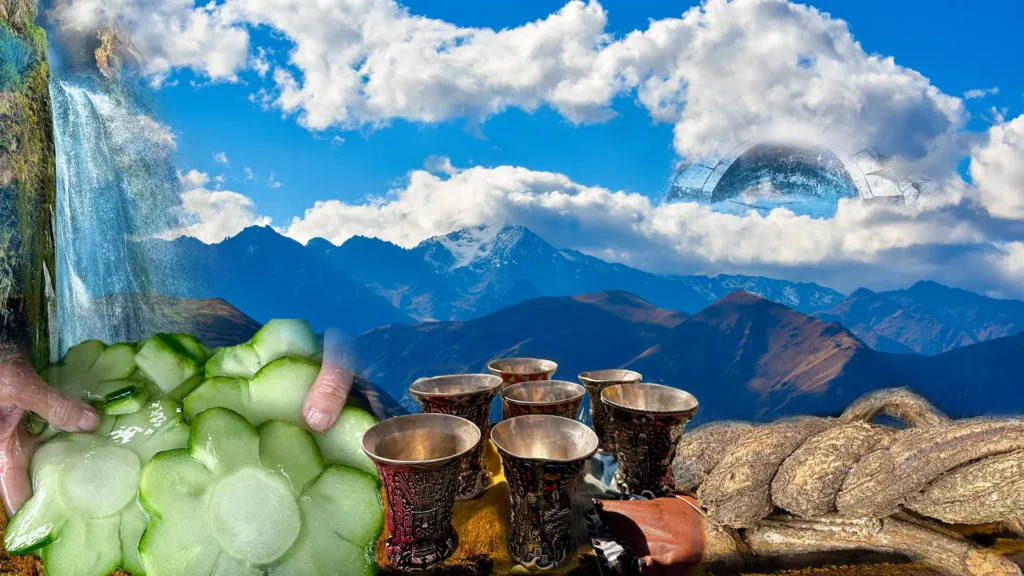
The city of Cusco radiates the energy of the indigenous plants known as Wachuma (or San Pedro). With the sacred sites of Sacsayhuamán and along the Vilcanota River, ceremonies take place. A curandero (spiritual healer) directs the ceremony beginning with a floral bath for purification, followed by the use of coca leaves for divine communication (divining), and the singing of Icaros to invoke the spirits associated with the sacred plant.
San Pedro Wachuma Ceremony in Cusco
A San Pedro Wachuma ceremony in Cusco is not just an experience — it is an invitation to reconnect with your heart, with nature, and with your authentic self.
Book Now San Pedro Ceremony Cusco
What Is San Pedro Wachuma?
The San Pedro cactus (Wachuma) is a revered medicinal plant from the Andes which embodies an extensive cultural history of spiritual connection to people.
Read ArticleOur Ayahuasca Retreat cusco
Ayahuasca Retreat 1 Day Cusco
Experience a traditional Ayahuasca retreat in Cusco guided by experienced shamans in a safe, respectful, and authentic environment.
Book Ayahuasca Ceremony Cusco2-Day Ayahuasca Retreat Cusco
This 2-day Ayahuasca retreat in Cusco is a carefully guided experience created for those seeking deeper healing, clarity, and spiritual connection.
Book Ayahuasca Retreat CuscoThere will be approximately 10-15 participants in the Maloca (ceremony will take place in either a maloca or the open-altiplano) and who will participate in the healing ceremony. The recommended dieta (Diet for San Pedro (Wachuma) before participating in the ceremony includes eating only light, plant-based foods; no sugar or caffeine products should be consumed. The dieta will continue to be observed post-ceremony by consuming only vegetables and maintaining silence while reflecting on the experience.
The average cost of healing ceremonies is between $100-$300 US. To ensure that you have an ethical healing experience, seek out operators whose primary focus is lineage rather than tourism. Look for Q’ero (Indigenous) Paqos (spiritual leaders), as they are the most authentic practitioners.
Comparing San Pedro to Other Entheogens
| Plant | Active Compound | Duration | Intensity | Cultural Context |
| San Pedro | Mescaline | 8-12 hrs | Heart-opening, visual | Andean healing |
| Ayahuasca | DMT + MAOI | 4-6 hrs | Purgative, visionary | Amazonian |
| Peyote | Mescaline | 10-12 hrs | Gentle, earthy | Native American |
| Psilocybin Mushrooms | Psilocin | 4-6 hrs | Cerebral, looping | Global shamanic |
Wachuma stands out for its sunny disposition—less shadowy than ayahuasca.
Preparation and Integration Tips
Before the Ceremony
- Set intentions: What blocks do you carry?
- Fast 6-8 hours; hydrate with water/herbs.
- Research your shaman—reviews, lineage matter.
During
Surrender. Breathe through discomfort. Journal fragments.
After
Integration: therapy, nature walks, art. Avoid alcohol 2 weeks. Track dreams.
Scientific Studies and Research
MAPS and Beckley Foundation fund mescaline trials. A 2023 Peruvian study (n=50) noted 65% anxiety reduction post-Wachuma. Neuroimaging shows increased brain connectivity, akin to meditation.
Yet, research lags psychedelics like MDMA. Peru’s ICEERS advocates decriminalization for therapeutic access.

Legal Status Worldwide
Peru: Traditional use protected. USA: Schedule I, but religious exemptions possible (UDV church). EU: Variable; mescaline analogs legal in some spots.
Travelers: Check import laws—cactus cuttings often seized.
Growing and Sourcing San Pedro
Home cultivation: Fast-draining soil, full sun, minimal water. Peru exports live plants legally within LATAM.
Ethical sourcing: Support Andean co-ops, not poachers.
Myths vs. Facts
Myth: Wachuma is just “hippie drugs.”
Fact: Millennia-old medicine with rigorous protocols.
Myth: Anyone can lead ceremonies.
Fact: Trained curanderos mitigate risks.
Personal Stories from Cusco Participants
“I faced my father’s abandonment under the stars at Tipón. Dawn brought forgiveness.” – Maria, 42, Lima.
“Colors breathed; I became the Apu Ausangate. Life’s illusions shattered.” – Carlos, 35, USA.
These narratives humanize the plant’s power.
Future of Wachuma in Wellness Tourism
Cusco’s scene booms, but overtourism threatens authenticity. Sustainable models: Community-led retreats, scientist-shaman collaborations.
As President Trump’s 2025 wellness initiatives eye psychedelics, Andean traditions could globalize responsibly.
Conclusion: Embracing the Teacher Plant
San Pedro Wachuma isn’t a shortcut—it’s a mirror. Approach with respect, and it reveals life’s weave. In Cusco’s embrace, discover your own pachakuti.