Spiritual Tourism in Cusco: Ayahuasca, San Pedro & Ancestral Practices
 By PumAdventures

You start exploring spiritual tourism in Cusco: Ayahuasca, San Pedro & Ancest practices… you are enter’n’ a complex world which even the Machu Picchu selfies and wellness influencers wouldn’t understand.
First, I observed this, not during any ceremony.
That’s at a cafe, San Blas was the place. Two backpackers, quiet whispers abounded about “plant medicine” and quinoa pancakes, a Quechua woman in her pollera skirt, a bag o’ potatoes, strolled past the window. Church bells were ringing. A yoga retreat’s advertisement, it called out from a poster in the Sacred Valley. An aged photograph, faded and worn, of an Andean shaman from ages ago gazed at the room.
Cusco, spiritual its core always was.
The past twenty years its a global hub of spiritual tourism too – Andean cosmology and Amazonian plant medicine and colonial history mingling together plus modern seekers interecting, the whole mix creates complex things which are often messy but also can be pretty darn beautiful sometimes.
Let us explore, carefully.
Why Cusco Became a Hub for Spiritual Tourism
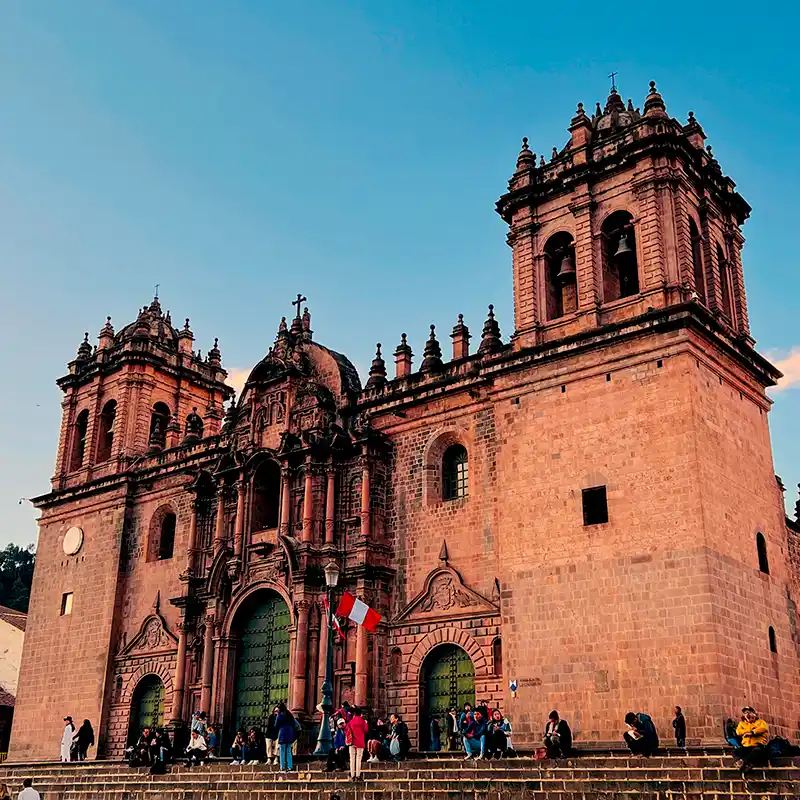
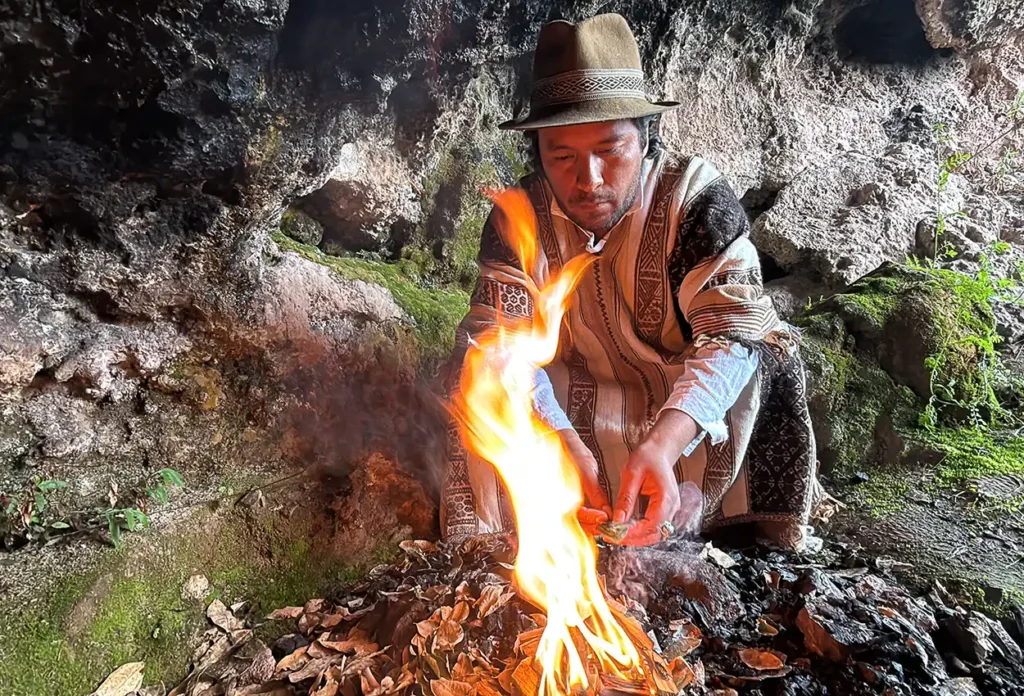
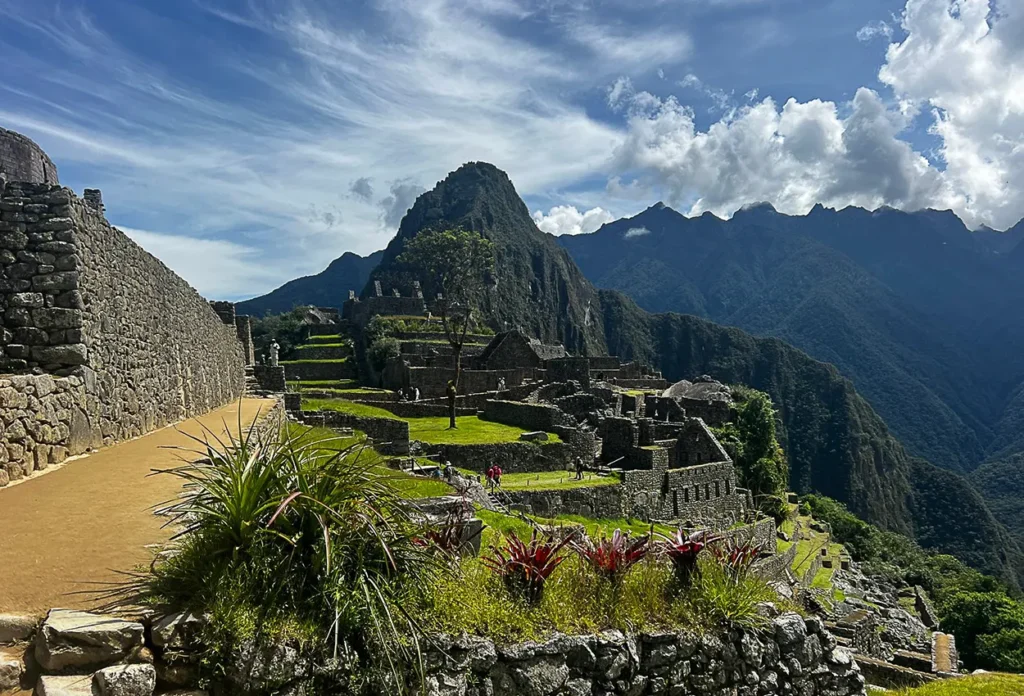

Cusco sits at 3,399 meters (11,152 ft) above sea level. Once the capital of the Inca Empire, it was considered the “navel of the world” — the spiritual and political center of Tawantinsuyu.
The region holds:
- Sacred mountains (Apus)
- Ancient temples aligned to celestial events
- Agricultural terraces engineered with astronomical precision
- Living Quechua communities maintaining pre-Columbian traditions
Add to that the accessibility of the Amazon basin to the east and the Sacred Valley to the north, and you have a rare convergence:
Highland Andean spirituality + Amazonian plant medicine + global tourism infrastructure.
By the early 2000s, retreat centers began appearing around Cusco and the Sacred Valley. Ayahuasca ceremonies, San Pedro rituals, yoga intensives, meditation retreats — all found fertile ground here.
But this isn’t a trend that appeared from nowhere.
Spirituality in Cusco was never dormant. It was simply localized — practiced in villages, passed through families, protected quietly.
Tourism amplified it.
Ayahuasca in Cusco: Amazon Medicine in the Andes


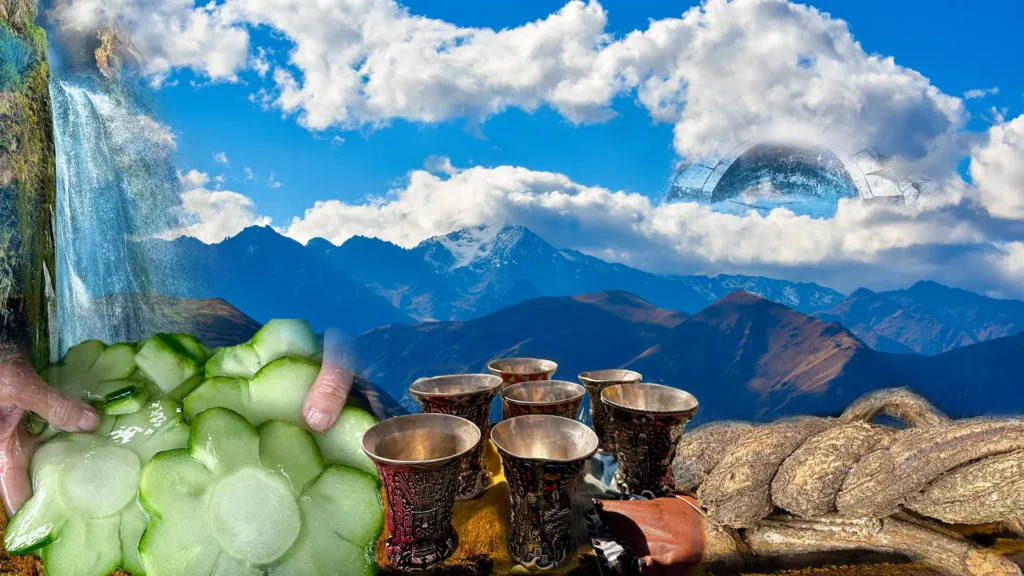

Ayahuasca is not native to Cusco.
It originates from the Amazon basin and is traditionally prepared using the Banisteriopsis caapi vine combined with chacruna leaves. Indigenous Amazonian groups have used it for healing and divination for centuries.
So why is it offered in Cusco?
Accessibility.
Many travelers fly directly into Cusco for Machu Picchu. Instead of continuing to Iquitos or the deep Amazon, they opt for ceremonies near the Sacred Valley.
Ayahuasca Ceremony in Cusco | Authentic Amazonian Healing Experience
Experience a safe and authentic Ayahuasca ceremony in Cusco guided by experienced shamans. Discover preparation tips, what to expect, benefits, and how to choose the right retreat in Peru.
Ayahuasca Retreat 1 Day Cusco
Experience a traditional Ayahuasca retreat in Cusco guided by experienced shamans in a safe, respectful, and authentic environment.
Book Now2-Day Ayahuasca Retreat Cusco
This 2-day Ayahuasca retreat in Cusco is a carefully guided experience created for those seeking deeper healing, clarity, and spiritual connection.
Book NowWhat to Expect from an Ayahuasca Ceremony in Cusco
- Usually conducted at night
- Lasts 5–8 hours
- Often includes purging (vomiting)
- Guided by a shaman or facilitator
- Accompanied by icaros (sacred songs)
Prices range from $150 to $400 USD per ceremony, depending on the center and group size.
The experience is often intense — visionary, emotional, and physically demanding.
Some centers are run by trained Amazonian curanderos. Others are led by Western facilitators trained through apprenticeship. The spectrum is wide.
This is where discernment matters.
Not every offering labeled “authentic” truly is.
San Pedro (Wachuma): The Andean Heart Medicine
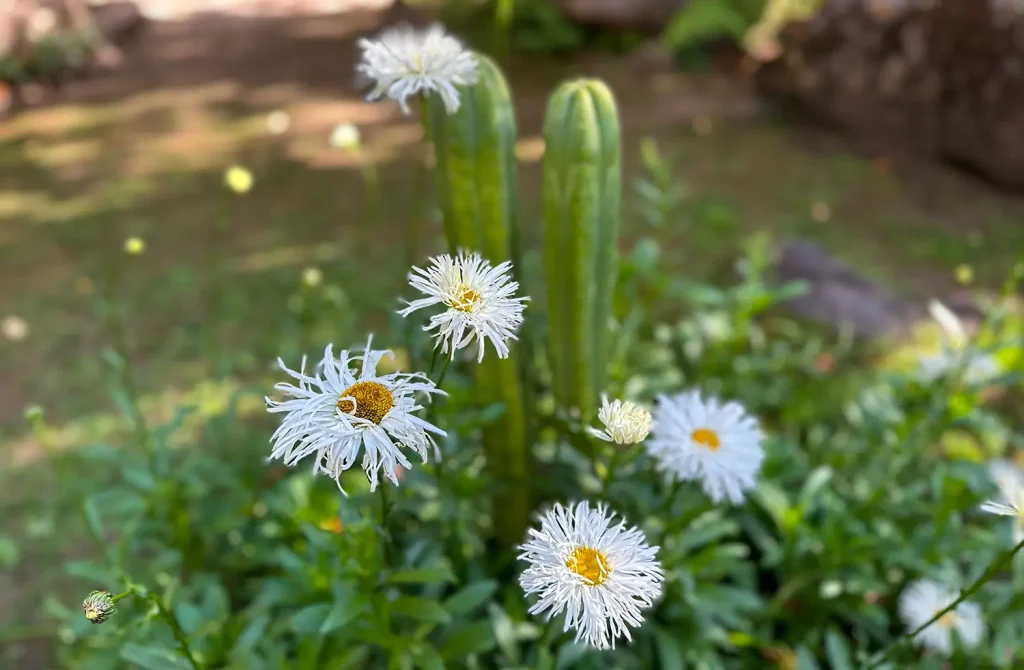

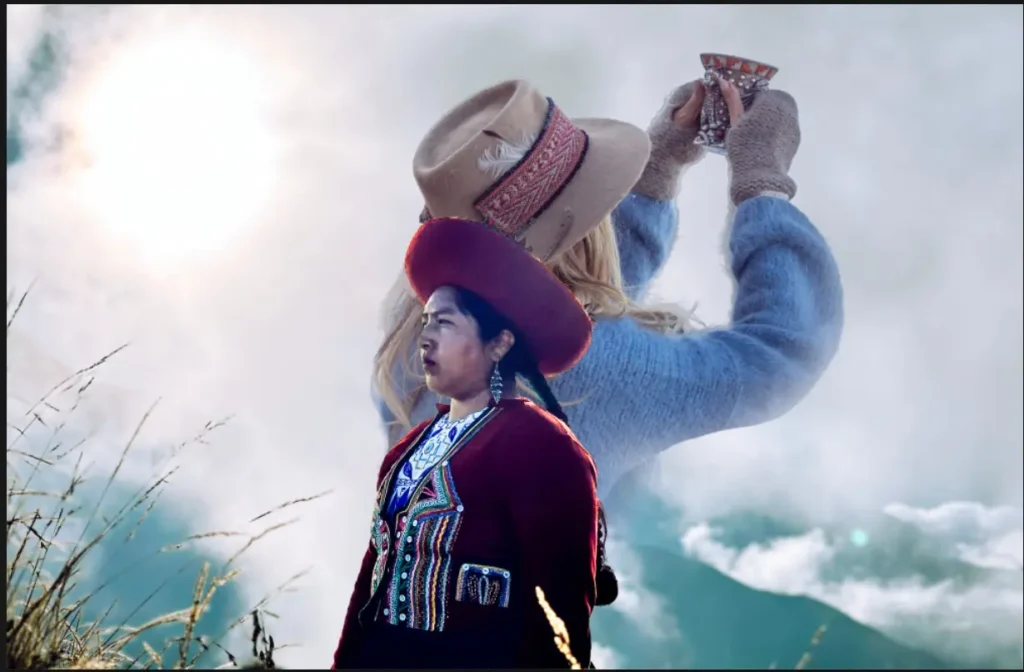

If Ayahuasca belongs to the jungle, Wachuma belongs to the mountains.
San Pedro cactus — Echinopsis pachanoi — grows naturally in the Andes and has been used ceremonially for at least 3,000 years. Archaeological carvings from the Chavín culture depict priests holding the cactus.
Unlike Ayahuasca’s nocturnal intensity, San Pedro ceremonies are typically daytime experiences lasting 8–12 hours.
Participants often describe:
- Emotional openness
- Heightened sensory awareness
- A sense of unity with nature
- Clear, grounded insight
In the Sacred Valley (around 2,800–2,900 meters / 9,200–9,500 ft), ceremonies often take place outdoors — facing the mountains, near farmland, along the Urubamba River.
There’s less darkness. More sunlight. More walking.
The medicine feels expansive rather than confrontational.
Costs usually range between $120 and $300 USD per ceremony.
And unlike Ayahuasca, San Pedro rarely causes intense purging — though mild nausea is possible.
San Pedro (Wachuma) Ceremony in the Sacred Valley | Heart-Opening Andean Ritual
Join a traditional San Pedro (Wachuma) ceremony in the Sacred Valley. Connect with the Andes through this ancestral heart-opening ritual guided by experienced Andean healers.
San Pedro Ceremony Cusco
San Pedro (Wachuma) Ceremony in Cusco
Reconnect with nature and your inner clarity. Book your San Pedro Wachuma ceremony in the Sacred Valley and experience authentic Andean wisdom.
Book San Pedro Ceremony CuscoWhat Is San Pedro Wachuma?
The San Pedro cactus (Wachuma) is a revered medicinal plant from the Andes which embodies an extensive cultural history of spiritual connection to people.
Read ArticleAncestral Andean Practices Beyond Plant Medicine
Spiritual tourism in Cusco isn’t limited to psychedelic ceremonies.
Many travelers come seeking:
1. Despacho Ceremonies
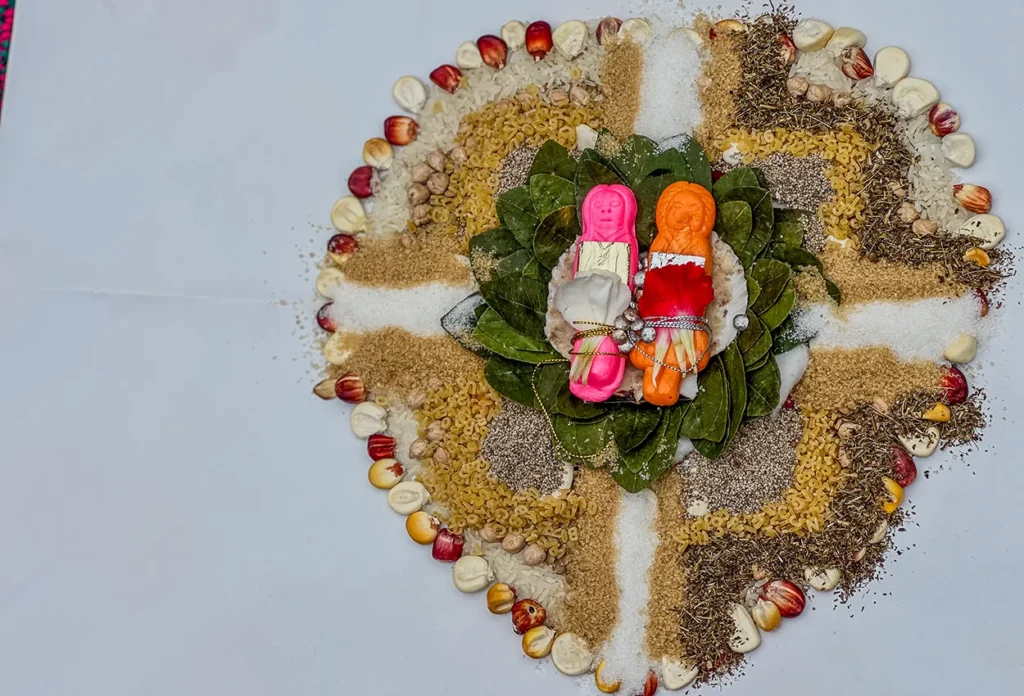
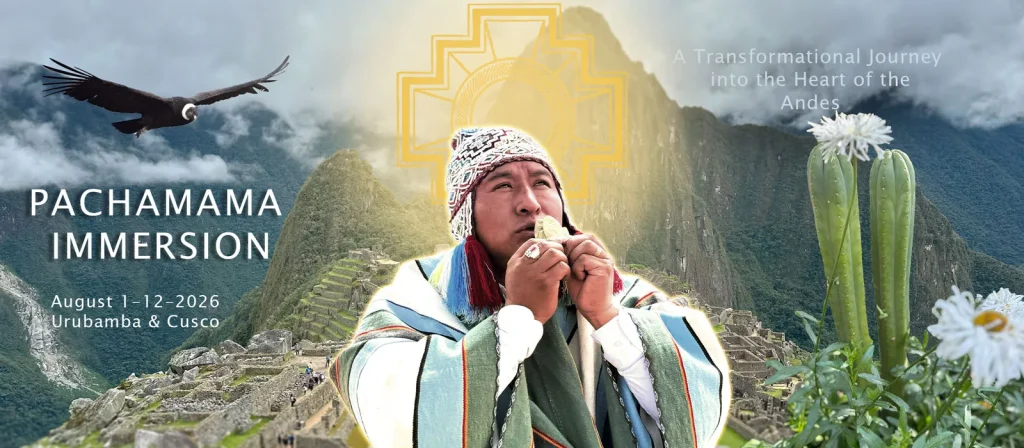
A despacho is a customary ritual in the Andes that is an offering to the Mother Earth, Pachamama, and the Apus is a ceremony that takes place by arranging coca leaves, seeds, candy, flowers and representative things into a bundle for a ritual offering.
This is a type of reciprocity (ayni) or an aspect of the Andean culture that embodies a reciprocal exchange of energy.
Despachos have been conducted at various retreats, but can also be performed on an individual basis.


2. Energy Cleansings (Limpias)
Using herbs, perfumes, flowers, and sometimes guinea pig rituals (traditional diagnostic practices in rural communities), Andean healers perform energetic cleansing sessions.
These are less dramatic than plant ceremonies and deeply rooted in local tradition.

3. Pilgrimages to Sacred Sites
Cusco is surrounded by energetic landmarks:
- Sacsayhuamán
- Qenqo
- Pisac ruins
- Ausangate mountain
Many retreats incorporate guided pilgrimages to these locations, often aligned with solstices or equinoxes.
These practices emphasize connection with landscape rather than altered states.
The Ethics of Spiritual Tourism in Cusco
This is where the conversation becomes nuanced.
Spiritual tourism brings income to local communities. It supports retreat centers, guides, translators, musicians, farmers.
But it also risks commodification.
Some concerns include:
- Unqualified facilitators offering ceremonies after minimal training
- Cultural appropriation of Andean symbols
- Overharvesting of plant medicine
- Retreat centers prioritizing volume over safety
Cusco’s popularity makes it vulnerable to superficial offerings marketed heavily online.
Before booking anything, ask:
- What lineage or training does the facilitator have?
- Is there medical screening?
- Are group sizes reasonable?
- Is integration support provided?
A ceremony is not a casual tour. It interacts with your nervous system, your psychology, your body.
Discernment is part of the journey.
Is It Legal?
In Peru, the use of Ayahuasca and San Pedro is legal and allowed as part of ceremonial or traditional practices, but transporting either of them outside of Peru is illegal in most locations.
Legal does not mean safe, therefore all responsible health and spiritual centers will carry out health screenings and provide preparation for a ceremony.
Related articles:
Who Comes to Cusco for Spiritual Tourism?
It’s not one type of traveler.
I’ve met:
- Corporate professionals on sabbatical
- Therapists seeking personal healing
- Backpackers curious but unsure
- Long-term expats living in the Sacred Valley
- Peruvians reconnecting with ancestral roots
What unites them is not uniform belief — it’s curiosity about consciousness, healing, and connection.
And Cusco offers a setting where those explorations feel contextual, not isolated.
The Physical Reality: Altitude & Preparation
The altitude of Cusco is not symbolic.
New arrivals often suffer altitude sickness at 3,399 meters. Fatigue, shortness of breath, headache.
Most facilitators advise 2–3 days of acclimatizing before joining ceremonies.
One’s hydration counts. So too does little eating.
Landing in Cusco and same night participating in an Ayahuasca ritual is not sensible romantically.
Before the spirit may roam freely, the body has to have time to settle.
Why Cusco Feels Different From Other Spiritual Destinations
You can attend Ayahuasca ceremonies in Costa Rica. San Pedro in California. Yoga retreats in Bali.
Cusco is different because the spiritual framework never disappeared.
Quechua is still spoken widely in rural areas. Agricultural rituals tied to lunar cycles still exist. Pilgrimages like Qoyllur Rit’i attract thousands annually.
The traditions here were interrupted by colonization, yes — but they were not erased.
That continuity creates a certain gravity.
Even if you never drink a plant medicine, simply walking through the Sacred Valley at sunrise can feel like participating in something older than modern wellness culture.
A Personal Observation
After one ceremony near Urubamba, I walked alone along a dirt road at dusk.
No music. No group discussion. Just the fading light over terraces carved centuries ago.
A local farmer passed me with a bundle of alfalfa over his shoulder. He nodded politely. Life continued.
That moment clarified something for me.
Spiritual tourism in Cusco isn’t about escape.
It’s about intersection — between ancient and modern, local and foreign, sacred and commercial.
The challenge is moving through it respectfully.
Should You Participate?
It varies.
You might be let down if you are seeking spectacle, vivid dreams, or a fast identity change.
Cusco can provide great experiences—not only with plant medicine but also with worldview—if you’re prepared, patient, and humble.
Not everything on this site is magical. Everything is not unadulterated.
But there is undeniably strong about sitting under Andean mountains knowing that the customs done long before your arrival.
Cusco’s spiritual tourism is not a trend.
One location for meetings. And like any crossroads, what you bring into it shapes what you take out.