The Role of the Andean Shaman in Wachuma Ceremonies
 By PumAdventures
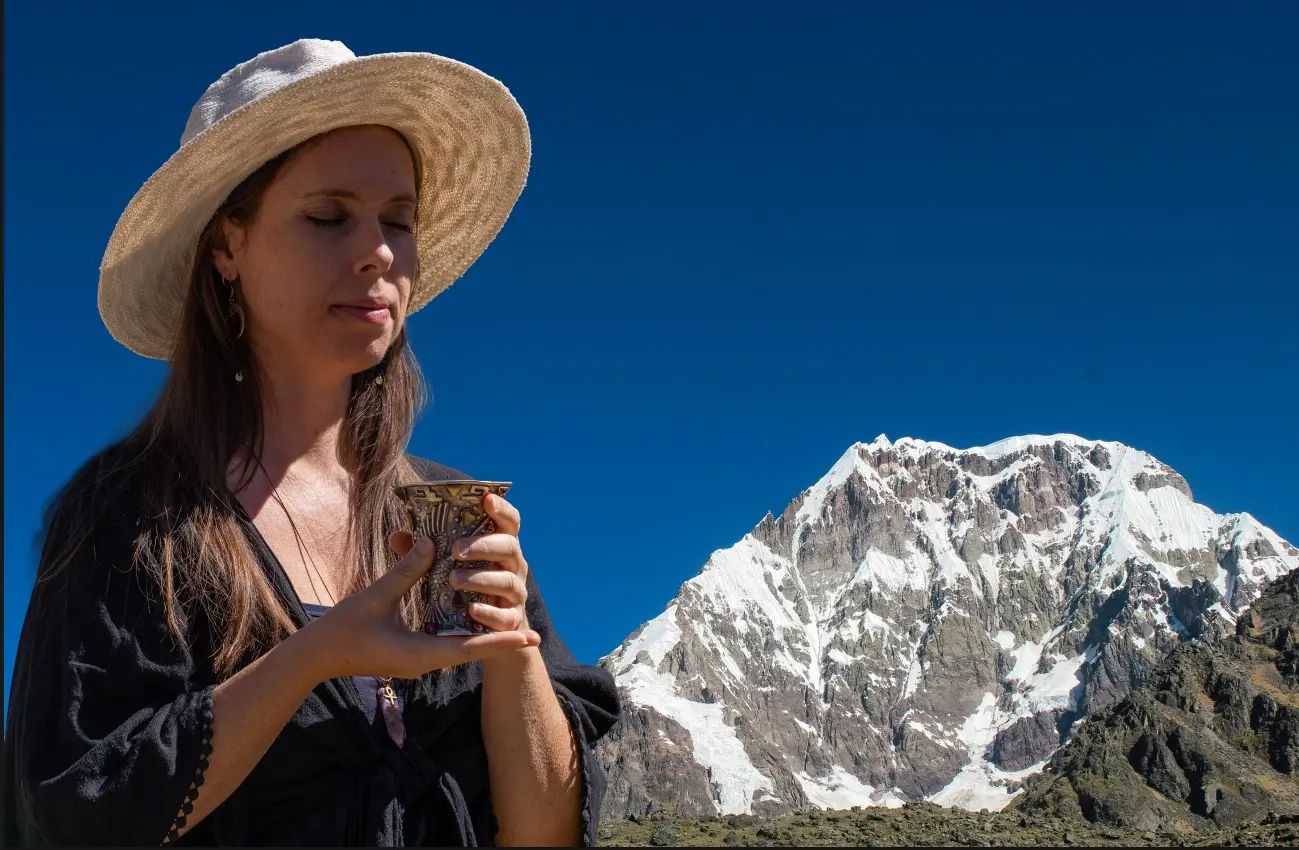
The attendance of a Wachuma Shaman in a conventional ceremony is as vital as the San Pedro cactus itself. Though the medication opens insight and consciousness, the Andean shaman safeguards, directs, and steadies the ceremonial area to guarantee that the encounter occurs safely and with cultural integrity.
Particularly when looking for a genuine experience in the Andes, knowing the part of the shaman enables participants to approach a San Pedro ceremony Cusco with respect, clarity, and practical expectations.
“The Shaman as a San Pedro Ceremony Guide”
Experiencing Wachuma with proper guidance makes a profound difference.
If you feel called to walk this path respectfully, our Wachuma San Pedro ceremony in Cusco is guided within a traditional Andean framework that honors safety, preparation, and cultural integrity.
Who Is an Andean Shaman?
In Andean culture, the character sometimes called as a “shaman” symbolizes much more than simply a spiritual helper. An Andean shaman is someone whose life journey has been molded by dedication to the ground, the community, and the unseen realms of life. Their function is based on responsibility rather than position; their knowledge comes from years of dedicated study, frequently decades of it.
Traditionally, an Andean shaman is found down this road; it is acknowledged by elders, natural signs, or intense life events. Guided by humility and a profound awareness that human well-being hinges on harmony with Pachamama and the Apus, their work is. Every facet of Wachuma San Pedro is approached and distributed with this philosophy in mind.
Their knowledge is typically inherited through:
- Family lineage
- Apprenticeship with elder shamans
- Years of ceremonial practice in the Andes
- Direct relationship with the Apus (mountain spirits)
Rather than claiming power, Andean shamans serve as caretakers of tradition, ensuring that Wachuma is used responsibly and respectfully.
Related Articles:

The Shaman as a San Pedro Ceremony Guide
In a traditional Wachuma ritual, the shaman serves as a process facilitator rather than a director of events. Unlike strategies seeking to steer visions or results, Andean ceremonial guidance derives from confidence in the intelligence of the plant and each attendee’s readiness.
The presence of the shaman provides a strong container where people feel free enough to let go. The shaman guarantees that every attendee stays grounded and supported even when strong emotional or spiritual content surfaces by means of quiet observation, delicate interventions, and active awareness. This kind of advice is respectful of individual experience, quiet, and attentive.
A traditional san pedro ceremony guide helps participants:
- Enter the ceremony with clear intention
- Feel safe during emotional or energetic release
- Stay grounded and present throughout the experience
- Integrate insights without confusion or fear
Their guidance is subtle, often expressed through presence rather than instruction.
San Pedro (Wachuma) Ceremonies Cusco
San Pedro Wachuma Ceremony in Cusco
A San Pedro Wachuma ceremony in Cusco is not just an experience — it is an invitation to reconnect with your heart, with nature, and with your authentic self.
Book San Pedro Ceremony in CuscoWhat Is San Pedro Wachuma?
The San Pedro cactus (Wachuma) is a revered medicinal plant from the Andes which embodies an extensive cultural history of spiritual connection to people.
Read ArticleEnergetic Protection and Holding the Ceremonial Space
From an Andean angle, any event that changes awareness activates the energetic body. This is the reason vigorous protection is a basic duty of the shaman rather than a discretionary component of a Wachuma San Pedro ritual.
Through traditional customs, prayers, and focused presence, the shaman keeps a distinct energetic perimeter around the ritual area. This lets participants investigate increased knowledge without feeling vulnerable or exposed. The objective is to make sure whatever happens may be processed safely and fully integrated, not to prevent experience.
The shaman protects the space by:
- Opening and closing the ceremony properly
- Calling in protective forces of nature
- Maintaining energetic boundaries
- Reading subtle changes in participants’ states
This protection ensures that the ceremony remains grounded, safe, and harmonious.
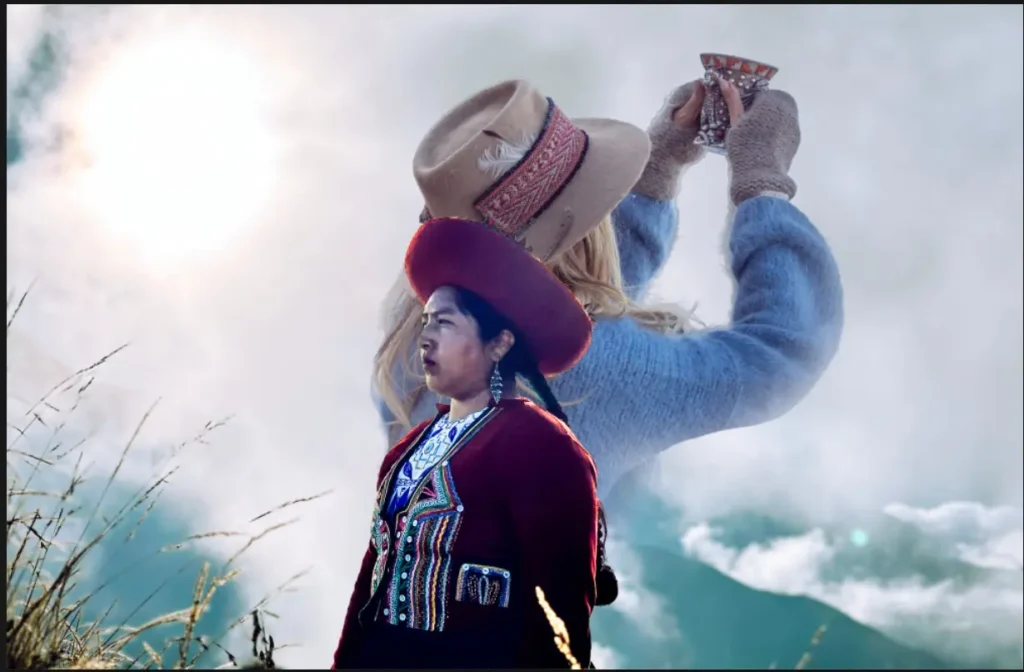
Working with Apus and Pachamama
The Andean Wachuma Ceremony cannot be separated from the natural elements that surround it. By working with Pachamama and the Apus, shamans recognize them as conscious partners rather than as abstract ideas.
These relationships shape the rhythm of the ceremony. The land, the weather, and even subtle environmental changes are observed and respected. In this context, Wachuma is not working alone — it is supported by the intelligence of the living landscape, particularly in the Andes of Cusco where these traditions remain strong.
In a traditional Wachuma ceremony, the shaman works in relationship with:
- Pachamama (Mother Earth)
- Apus (sacred mountain spirits)
- Natural elements such as wind, water, and sunlight
Prayers, offerings, and invocations are not symbolic gestures. They are acts of communication that align the ceremony with natural forces.
This relationship is especially powerful in Cusco, where the presence of sacred mountains enhances the ceremonial field and supports deep grounding.
Explore Ayahuasca Ceremonies in Cusco
Learn how our ceremonies are guided with respect, medical screening, and spiritual integration.
👉 Speak With Our Facilitators
Preparation Before the Wachuma Ceremony
In Andean ceremonial custom, preparation is among the most obvious displays of respect. The shaman knows that long before the medicine is given out, the caliber of a Wachuma ritual is set.
By way of talks, coaching, and enthusiastic assessment, the shaman assists individuals in finding mental, emotional, and physical alignment. This could comprise dietary recommendations, introspection on personal goals, and specification of expectations. Rather than distant or defiant, participants come open, present, and grounded thanks to preparation.
Before the ceremony, a Wachuma shaman may:
- Speak with participants about intention and readiness
- Recommend dietary or lifestyle adjustments
- Assess emotional and energetic balance
- Explain the ceremonial process clearly
This preparation builds trust and helps participants enter the ceremony with awareness rather than expectation.

Guiding the Experience During the Ceremony
During the ceremony itself, the shaman’s role becomes one of constant awareness. While Wachuma works gradually and gently, moments of emotional release or insight may arise unexpectedly.
The shaman responds not with authority, but with sensitivity — offering grounding when needed and space when appropriate. This discernment allows the ceremony to flow naturally while maintaining stability and coherence for the group as a whole.
A san pedro ceremony guide may:
- Offer grounding support if someone feels overwhelmed
- Encourage connection with nature
- Use traditional instruments or prayers
- Adjust the flow of the ceremony intuitively
Their role is to support, not dominate, the experience.
Supporting Integration After the Ceremony
In Andean tradition, a ceremony is incomplete without integration. The shaman’s responsibility extends beyond the ceremonial day, helping participants understand how their experience fits into their lives.
Rather than providing interpretations or answers, the shaman encourages reflection, grounding practices, and personal responsibility. Integration transforms insight into wisdom, ensuring that the experience becomes a source of clarity rather than confusion or dependency.
After the ceremony, the shaman may:
- Help interpret experiences within Andean worldview
- Encourage grounding practices
- Offer guidance on applying insights to daily life
- Close the energetic space properly
This helps ensure that the experience becomes wisdom rather than confusion.
Difference Between an Andean Shaman and a Modern Facilitator
Modern facilitators provide structure and direction; yet, the Andean shaman’s power derives from lived experience rather from credentials. Years spent working with the same terrain, tribes, and plant medications have shaped their relational understanding.
Wachuma reacts to circumstances, hence this difference counts. A ritual directed by someone from an Andean background has a distinct depth since it respects continuity and responsibility rather than novelty or accomplishment.
Key distinctions include:
- Deep cultural lineage vs. short-term training
- Relationship with land and spirits vs. technique-based facilitation
- Emphasis on balance and humility vs. personal authority
- Long-term responsibility to the community
Understanding this difference helps participants choose ceremonies that align with respect and safety.

Choosing a Responsible Wachuma Shaman
A responsible Wachuma San Pedro Shaman does not promote themselves as either a guru or a healer. Rather, they highlight humility, respect for tradition, and security.
Participants are urged to seek guides who give cultural integrity, planning, and integration precedence above assurances of change. True healing develops from equilibrium in Andean practice, not flamboyancy.
A responsible Wachuma shaman does not promise miracles or dramatic visions. Instead, they emphasize:
- Safety and preparation
- Cultural respect
- Personal responsibility
- Integration and grounding
True Andean shamans work quietly, allowing the medicine and the land to teach.
Final Reflection: The Shaman as Guardian, Not Guru
The shaman in a Wachuma San Pedro ritual is the protector of the area where healing can happen, not the source of it.
Their presence guarantees that the rite will proceed in equilibrium, respect, and harmony with nature. This function has been revered in the Andes for generations; it is still absolutely vital for working responsibly and meaningfully with Wachuma.
For people searching for a genuine San Pedro experience, knowing the function of the Andean shaman is as vital as knowing the remedy itself.