San Pedro (Wachuma) Ceremony in the Sacred Valley: What Makes It Unique?
 By PumAdventures
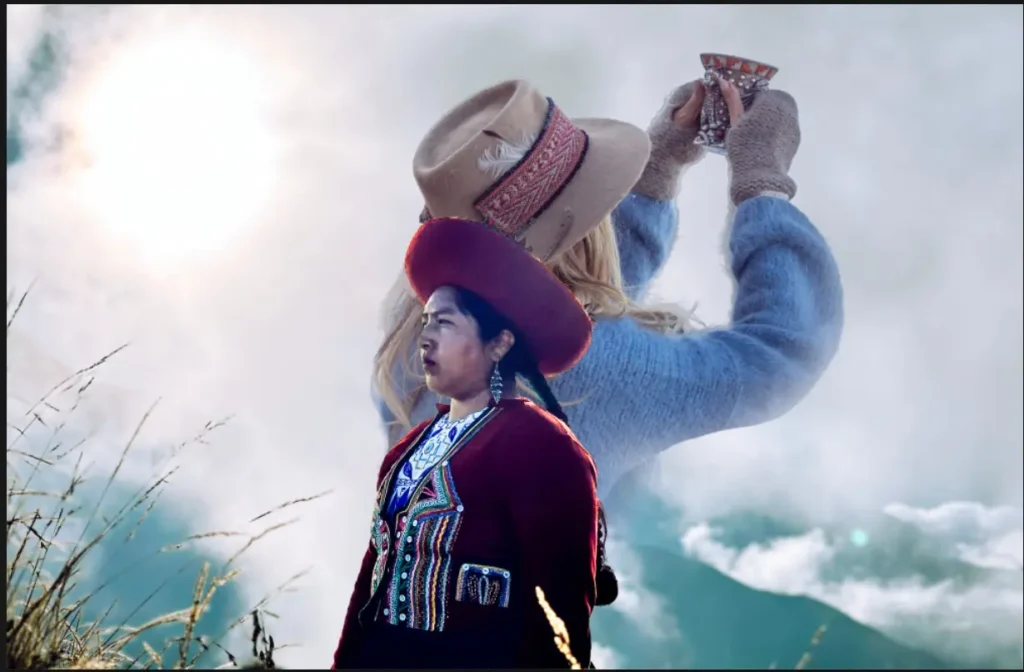
That moment — standing between the rising sun and the silent Andean peaks — is where the San Pedro (Wachuma) Ceremony in the Sacred Valley truly begins. Not in theory. Not in spiritual abstraction. But in the body.
The first sip is always the hardest.
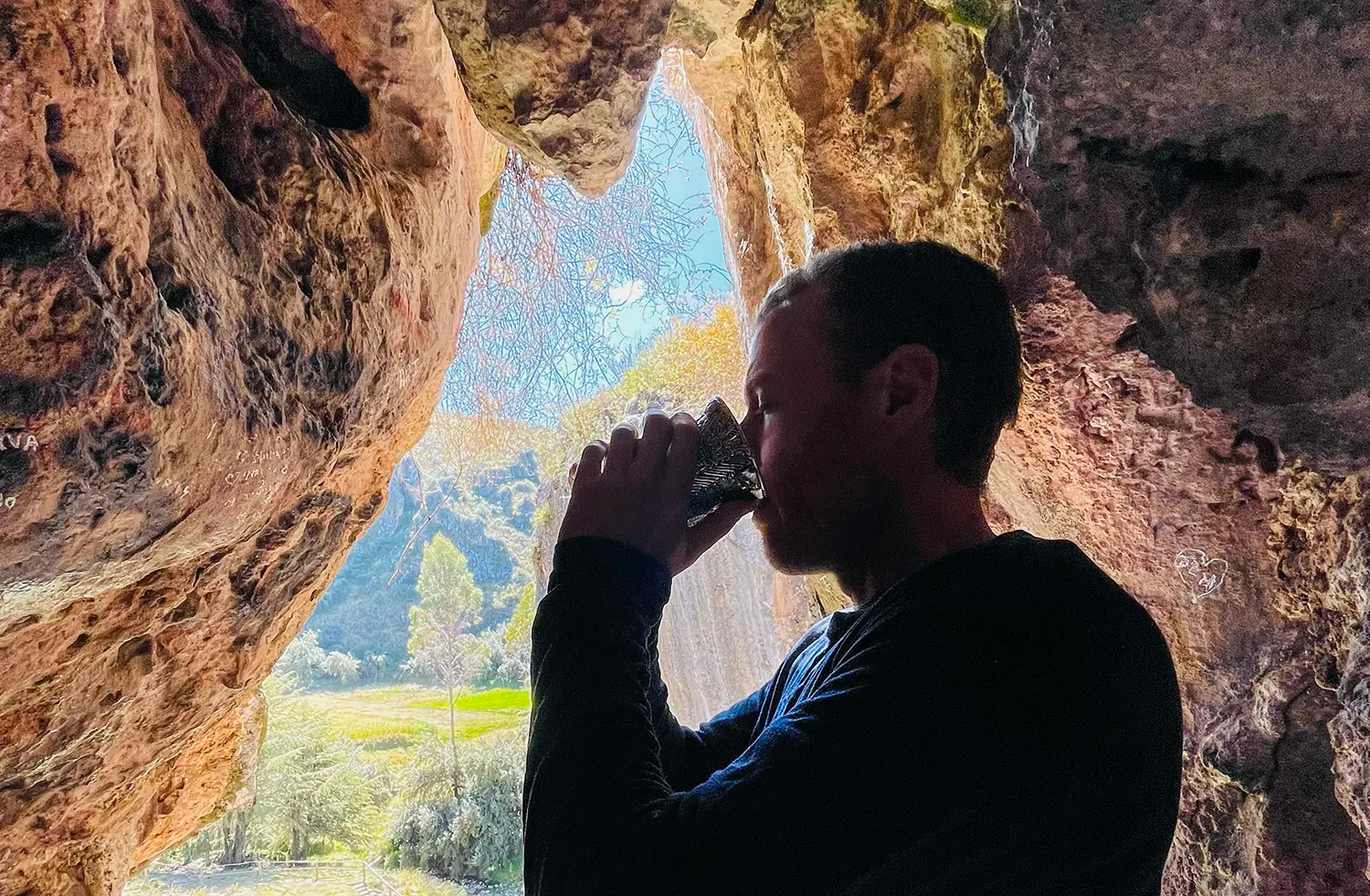
It’s just after sunrise in the Sacred Valley. The air is thin and cold enough to sting your nose. A faint smell of eucalyptus smoke lingers from the ceremonial fire. Someone hands you a small cup of thick, green liquid — bitter, earthy, almost metallic. You hesitate for half a second.
Then you drink.
And the valley responds.
What Is a San Pedro (Wachuma) Ceremony in the Sacred Valley?
San Pedro, known traditionally as Wachuma, is a sacred cactus native to the Andes (Echinopsis pachanoi). It has been used ceremonially for more than 3,000 years, long before the Inca Empire shaped these mountains into terraces and temples.
The cactus contains mescaline, a naturally occurring psychoactive compound. But reducing it to chemistry misses the point.
In the Andean worldview, Wachuma is considered a heart medicine — a plant teacher that opens perception gently and reconnects a person to nature, community, and self.
When people search for a San Pedro Ceremony in Cusco or the Sacred Valley, they’re often looking for something different from the intensity of ayahuasca. San Pedro unfolds during the day. It’s slower. Grounded. Expansive rather than overwhelming.
And location changes everything.
San Pedro Wachuma Ceremony cUSCO
San Pedro Wachuma Ceremony in Cusco
A San Pedro Wachuma ceremony in Cusco is not just an experience — it is an invitation to reconnect with your heart, with nature, and with your authentic self.
Book San Pedro Ceremony in CuscoWhat Is San Pedro Wachuma?
The San Pedro cactus (Wachuma) is a revered medicinal plant from the Andes which embodies an extensive cultural history of spiritual connection to people.
Read ArticleWhy the Sacred Valley Makes the Experience Unique
The Sacred Valley of the Incas stretches roughly 60 kilometers (37 miles) between Pisac and Ollantaytambo, following the Urubamba River at an average altitude of 2,800–2,900 meters (9,200–9,500 ft). That altitude matters. It’s high enough to feel the Andes, but lower than Cusco city (3,399 m / 11,152 ft), making the body slightly more relaxed.
But the real difference isn’t altitude. It’s presence.
The Apus: Mountains as Living Beings
In Andean cosmology, mountains — known as Apus — are protective spirits. They’re not metaphors. They are guardians. Many Wachuma rituals in Cusco and the Sacred Valley begin by facing specific peaks and offering prayers.
When you sit in ceremony surrounded by snow-capped mountains like Veronica (Wakaywillka) or the distant Ausangate range, it feels less symbolic and more relational.
You’re not inside a retreat center imagining connection to nature.
You’re inside it.
Agricultural Energy and Living History
The Sacred Valley has been an agricultural center since pre-Inca times. Massive stone terraces still carve geometric patterns into the hillsides. Corn grown here was once reserved for ceremonies and royalty.
Participating in a San Pedro (Wachuma) Ceremony in the Sacred Valley means being immersed in a landscape that has supported ritual life for centuries.
You’ll hear roosters. Wind through maize fields. Occasionally, a distant motorcycle rattling down a dirt road.
It’s not pristine silence. It’s lived-in sacredness.
And that subtle realism keeps the experience grounded.
The Difference Between a San Pedro Ceremony Cusco City vs. Sacred Valley
This is one of the most common questions people ask.
1. Altitude and Physical Comfort
Cusco sits significantly higher. If you’ve just arrived in Peru, altitude sickness is a real possibility — headaches, nausea, fatigue. Doing a San Pedro Wachuma Cusco ceremony in the city within your first 48 hours can feel physically overwhelming.
In the Sacred Valley, the lower elevation makes the experience smoother for many participants.
2. Noise and Environment
Cusco is a busy tourist hub. Traffic. Construction. Late-night bars. Even the best retreat spaces can’t fully block that energy.
In the Sacred Valley, especially near Urubamba or Pisac, ceremonies often take place on farmland or private land surrounded by open fields. You might hear:
- Roosters in the distance
- Wind moving through corn stalks
- The river flowing below a terrace
- Occasional donkey brays
It feels grounded in daily life rather than removed from it.
3. Cultural Continuity
The Sacred Valley still has strong Quechua-speaking communities. Many facilitators grew up in the region or trained within Andean traditions rather than importing techniques from elsewhere.
That continuity shapes the depth of a Wachuma ritual Cusco region experience.
How the Ceremony Unfolds (What to Expect Hour by Hour)
No two ceremonies are identical, but there’s a rhythm.
Early Morning: Intention and Ingestion
Most ceremonies begin around 7:00 or 8:00 a.m. You’ll likely be asked to avoid alcohol for 48 hours prior and eat lightly the day before.
The brew itself? Thick. Bitter. Earthy in a way that feels almost confrontational.
It’s not pleasant.
But you don’t drink it for the taste.
After ingestion, there’s usually a quiet waiting period. Blankets around shoulders. Some nervous laughter. The maestro may begin prayers in Quechua, invoking Pachamama (Mother Earth), the Apus, and the four directions.
Mid-Morning: Opening
San Pedro takes 60 to 120 minutes to fully activate. The onset is gradual.
Colors sharpen slightly. Textures become fascinating. The breeze feels intentional. You may feel mild nausea, though it’s generally gentler than ayahuasca. Some people purge. Many don’t.
Unlike darker night ceremonies in the jungle, Wachuma unfolds under sunlight.
You’re not pulled inward immediately. You’re invited outward.
Midday: Expansion
This is often the emotional peak.
Participants report:
- Heightened empathy
- Emotional clarity
- A sense of unity with nature
- Reduced internal chatter
- Physical warmth and openness
Walking is common. Some facilitators guide slow meditative walks along terraces or riverbanks. Movement feels important.
At one ceremony near Urubamba, I remember touching a stone wall built centuries ago and feeling an overwhelming sense of continuity. Not dramatic. Not cinematic. Just steady.
Afternoon: Integration
By 3:00 or 4:00 p.m., the intensity softens. Conversations resume. Music — often live flute or charango — carries the group gently toward closure.
A simple meal is shared. Soup tastes extraordinary.
By sunset, most participants feel clear-headed but emotionally open.
Is the San Pedro Ceremony Safe?
This is one of the most common questions.
San Pedro contains mescaline, which can affect heart rate and blood pressure. Individuals with cardiovascular conditions, severe anxiety disorders, or those taking certain medications (especially SSRIs or MAO inhibitors) should consult a medical professional before participating.
Reputable facilitators screen participants carefully.
Legally, San Pedro cactus is permitted for traditional use in Peru. However, exporting it is illegal in most countries.
Safety also depends on set and setting. A small group (4–10 people), experienced facilitator, clear guidelines, and integration support afterward are strong indicators of a responsible ceremony.
If the process feels rushed or overly commercial, that’s usually a sign to reconsider.
How Much Does a San Pedro Ceremony in the Sacred Valley Cost?
Prices vary widely.
- Small group ceremony: $120–$300 USD per person
- Private ceremony: $350–$800 USD depending on facilitator
- Multi-day retreat packages: $800–$2,500 USD
Cost depends on group size, experience of the maestro, inclusion of integration support, meals, and transportation.
More expensive does not automatically mean better. What matters more:
- Medical screening process
- Experience and lineage of the facilitator
- Clear communication about risks
- Post-ceremony integration support
Ask questions. A legitimate facilitator won’t rush you.
Why Travelers Choose the Sacred Valley Over Cusco City
You’ll find San Pedro Ceremony Cusco options within the city itself, but many travelers prefer the Sacred Valley for several reasons:
- Lower altitude — easier breathing, fewer headaches.
- Natural immersion — open landscapes enhance the experience.
- Less urban noise — fewer interruptions.
- Stronger traditional presence — particularly in smaller villages.
There’s also something about daylight in the valley. The way the sun moves across terraced hills. The way shadows shift over stone walls built centuries ago.
It becomes part of the ceremony.
Is It Legal?
In Peru, San Pedro cactus is legal and considered part of traditional cultural heritage when used ceremonially.
However, transporting mescaline-containing cactus outside Peru is illegal in many countries.
Participating in a ceremony in the Sacred Valley is generally safe from a legal standpoint, but ethical discernment still matters. Not all operators uphold traditional or safety standards.

The Difference Between San Pedro (Wachuma) and Ayahuasca
Many travelers compare the two.
Ayahuasca is often intense, inward, and conducted at night. San Pedro is outward, relational, and under the sun.
Ayahuasca can dismantle. Wachuma tends to soften.
Neither is “better.” They are different traditions with different energies.
In the Sacred Valley, Wachuma feels particularly aligned with the open sky and agricultural landscape.
It belongs to daylight.

Why People Choose San Pedro Over Ayahuasca
This question comes up often.
Ayahuasca has global visibility. Wachuma remains more regional.
People often choose San Pedro because:
- It’s typically gentler.
- It happens during the day.
- There’s less intense purging.
- It allows interaction with landscape.
- It feels heart-centered rather than visionary-heavy.
A San Pedro Ceremony Cusco region experience is often described as clearer, brighter, and more relational.
You don’t leave your body.
You inhabit it more fully.
Why Travelers Choose the Sacred Valley Over Cusco City
You’ll find San Pedro Ceremony Cusco options within the city itself, but many travelers prefer the Sacred Valley for several reasons:
- Lower altitude — easier breathing, fewer headaches.
- Natural immersion — open landscapes enhance the experience.
- Less urban noise — fewer interruptions.
- Stronger traditional presence — particularly in smaller villages.
There’s also something about daylight in the valley. The way the sun moves across terraced hills. The way shadows shift over stone walls built centuries ago.
It becomes part of the ceremony.

What San Pedro Feels Like (Without the Mystical Clichés)
People expect visions.
Sometimes there are visual patterns or intensified colors, but Wachuma often works emotionally rather than visually.
I’ve seen participants sit quietly for hours, simply watching clouds move across the Andes. Others suddenly feel the urge to speak honestly about something they’ve avoided for years.
One afternoon, during a ceremony near Urubamba, a farmer walked by with two donkeys. He nodded at our group, wrapped in blankets and silence. No drama. Just life continuing.
That grounded normality felt profound.
San Pedro doesn’t remove you from reality.
It makes reality feel textured.
Who Should (and Shouldn’t) Participate?
San Pedro affects the cardiovascular system. People with:
- Heart conditions
- High blood pressure
- Severe psychiatric disorders
- Certain medications (SSRIs, MAO inhibitors)
should consult a medical professional first.
It’s also not a casual tourism activity.
If you’re approaching it as a bucket-list item between Machu Picchu and Rainbow Mountain, you might want to pause. The experience asks for intention.
Practical Preparation Tips
If you’re considering a San Pedro (Wachuma) Ceremony in the Sacred Valley, a few details can improve the experience:
- Arrive 2–3 days early to acclimatize to altitude.
- Avoid alcohol for at least 48 hours prior.
- Bring layers — mornings can drop below 5°C (41°F), while midday sun is intense.
- Wear sunscreen — UV exposure is strong at 2,900 meters.
- Set realistic expectations — subtlety is not failure.
And perhaps most importantly: don’t schedule a strenuous hike the next morning. Give yourself space to integrate.
The Subtle Power of the Sacred Valley
Here’s what makes a San Pedro (Wachuma) Ceremony in the Sacred Valley genuinely distinct: context.
The valley has been an agricultural and spiritual center since Inca times. Corn grown here was sacred. Terraces still function. Quechua is still spoken.
You’re not stepping into a staged ritual environment.
You’re stepping into a living landscape where this plant has been understood for centuries.
During one ceremony, a local farmer passed by with two donkeys mid-afternoon. He nodded politely and kept walking. It wasn’t mystical. It was ordinary.
And somehow that ordinariness made it more powerful.
The medicine doesn’t remove you from life.
It places you directly inside it.
What Stays With You
It’s not always fireworks.
Sometimes it’s something quieter.
The way sunlight hits the terraces at noon.
The texture of grass beneath your hands.
A conversation you finally have with yourself without interruption.
Days later, back in traffic or at an airport, the valley still lingers somewhere in your chest.
The Sacred Valley doesn’t promise revelation. It doesn’t advertise transformation.
It simply holds space — mountains steady, river moving, sky impossibly wide — while you meet yourself without distraction.
And maybe that’s what makes a San Pedro (Wachuma) Ceremony in the Sacred Valley unique.
Not the cactus alone.
But where you drink it.