Ancient Ceremonies Cusco, Peru: Complete Guide to Sacred Rituals & Retreats
 By PumAdventures

Ancient Ceremonies Cusco: Sacred Rituals Still Alive in the Heart of the Andes
Experience authentic Andean spiritual traditions that have endured for over 500 years. Participate in ceremonies led by indigenous shamans and honor the sacred sites where the Inca once communed with the divine.
The mountains of Cusco pulse with ancient energy. For centuries—long before the Spanish arrived—the Quechua and Inca peoples developed sophisticated spiritual practices rooted in reverence for nature, reciprocity with the earth, and direct communion with the divine.
Today, these ceremonies are still performed. And unlike museum exhibits or staged performances, the real thing is alive in the hands of indigenous healers, shamans, and community members who inherited these practices from generations before them.
This guide explores the major ancestral ceremonies you can witness and participate in during a journey to Cusco. You’ll learn what each ceremony means, why it matters, and how you can engage authentically—whether you’re a curious observer or someone seeking deep spiritual transformation.
Table of Contents
1. WHAT ARE ANCESTRAL CEREMONIES?
Ancestral ceremonies are spiritual practices passed down through generations—in this case, by the Inca and pre-Inca Andean peoples. They’re not museum pieces or tourist spectacles. They’re living practices maintained by indigenous communities as a way to:
- Honor the earth and ask for good harvests
- Commune with Apus (mountain spirits) and Pachamama (Mother Earth)
- Mark sacred passages of the solar year
- Heal personal and collective trauma
- Maintain reciprocity with nature and the divine
What makes Cusco unique is that these ceremonies survived the Spanish conquest. Mixed with Catholic traditions in some cases, they endured because they addressed something fundamental to Andean culture: the belief that humans live in relationship with the living earth.
The difference between watching a ceremony and participating in one is the difference between reading about swimming and diving into the water. When you participate—even as a respectful guest—you become part of the energetic work. You feel the difference.
The Philosophy Behind Cusco’s Ceremonies
Andean spirituality rests on three principles:
- Ayni (Reciprocity): Nothing is taken without giving back. When you ask Pachamama for healing or abundance, you offer something in return—coca leaves, alcohol, gratitude, intention.
- Sumak Kawsay (Good Living): Life should be in balance—between human and nature, individual and community, material and spiritual.
- Ayllu (Community): You’re not separate from nature or from each other. Ceremonies acknowledge this interconnection.
These aren’t abstract philosophies. They shape how ceremonies are conducted and what they’re designed to accomplish.

2. THE SACRED GEOGRAPHY OF CUSCO
Cusco is built on sacred geography. The Inca city was designed as a puma, with the Coricancha (Temple of the Sun) at its heart. From there, invisible lines called ceques radiated outward to sacred sites—mountains, springs, caves, temples.
Key Sacred Sites for Ceremonies
- Sacsayhuamán Fortress (12,500 feet elevation) The primary ceremonial site for Inti Raymi and other major festivals. Built with precisely fitted stone blocks, it commands views over the entire Sacred Valley. The energy here is palpable—thousands of people gather here during festivals because the site itself seems to amplify collective intention.
- Coricancha Temple (Original Temple of the Sun) Located in central Cusco, the Coricancha once housed the most sacred shrine—a gold sun disk that represented Inti, the sun god. Though the Spanish built Santo Domingo Convent over it, the Inca stonework remains visible and powerful. Ceremonies often begin here.
- Qoyllur Rit’i (The Snow Star) A glacial mountain near Cusco where an annual pilgrimage draws thousands of participants. Honored as a place where heaven meets earth, people climb to high altitude to participate in rituals and prayers.
- Sacred Valley Sites Villages like Ollantaytambo, Pisac, and Chinchero maintain their own ceremony traditions. The valley itself—with its terraced mountainsides and water channels—is considered a living temple.
These places aren’t just locations. In Andean cosmology, they’re beings with their own consciousness and power. Ceremonies conducted at these sites are believed to be amplified by the Apu (mountain spirit) presence.
3. MAJOR CEREMONIES BY SEASON
Cusco’s ceremonial calendar follows the agricultural year and solar cycles. Here are the major ceremonies visitors can experience:
June: Inti Raymi (Festival of the Sun)
- When: June 24 (Winter Solstice in Southern Hemisphere)
- Duration: Day-long celebration
- Location: Sacsayhuamán Fortress
- Significance: The most important festival in the Inca calendar
Inti Raymi celebrates the winter solstice and honors Inti, the sun god. Historically, the Sapa Inca (Inca emperor) would perform rituals to ensure the sun returned after the darkest days of the year.
Today, hundreds of actors in traditional Inca clothing recreate the ancient ceremony. It begins at the Coricancha Temple with a salute to the rising sun. Participants process through the streets of Cusco, and the central ceremony takes place at Sacsayhuamán, where the “summoning of the sun” ritual is performed.
What you’ll experience: Processions, traditional dress, sacred music, and the palpable sense of thousands of people united in honoring the sun. The energy is electric. Even if you’re not deeply spiritual, the pageantry and collective intention are moving.
August: Pachamama Raymi (Feast of Mother Earth)
- When: First week of August (August 1-7)
- Duration: Week-long, with major ceremonies on August 1
- Location: Throughout Cusco and rural areas
- Significance: Gratitude for harvests; honoring the earth
Pachamama Raymi is less touristy than Inti Raymi but profoundly meaningful to local communities. August 1 marks the day when the earth is believed to be most receptive. Farmers abstain from working the land to let it rest, and communities perform the “haywasqa” ritual—an offering ceremony led by an Andean priest (Pako).
The ritual involves burying or burning items that the earth has provided—coca leaves, flowers, grains, sometimes alcohol—as a gesture of reciprocal gratitude. It’s an acknowledgment that humans depend on the earth and must honor that relationship.
What you’ll experience: If you’re invited to participate in a community ceremony, you’ll see the genuine spiritual practice—less performed, more authentic. The energy is quieter, more intimate than Inti Raymi, but the intention is deeper.
September-October: Quyllur Rit’i (The Snow Star Pilgrimage)
- When: Third Sunday of September
- Duration: Multi-day pilgrimage
- Location: Qoyllur Rit’i glacier (high altitude, ~15,000 feet)
- Significance: Ancient pilgrimage to a sacred glacier; healing and prayer
Qoyllur Rit’i is one of the largest pilgrimages in South America and was declared UNESCO Intangible Cultural Heritage of Humanity in 2011. Tens of thousands of indigenous people and spiritual seekers climb to a glacier high in the Andes to pray, participate in rituals, and seek healing.
The pilgrimage is tough—cold, high altitude, demanding. But that difficulty is part of the point. You’re not supposed to arrive comfortable. The struggle is the practice.
Dancers called Ukukus perform rituals starting at 4 AM, climbing to the glacier to pray for animal health and spiritual blessings. The ceremonies blend Inca tradition, Catholic influence, and animist beliefs—a living example of how indigenous spirituality adapted while maintaining its core.
What you’ll experience: Physical challenge, spiritual intensity, deep community participation, and the stunning (and humbling) presence of a sacred glacier in a place where sky and earth seem to meet.
December-January: Cusco Carnival & New Year Ceremonies
- When: December-January (dates vary)
- Duration: Several days
- Location: Central Cusco, plazas, neighborhoods
- Significance: Celebration of the harvest and transition to new year
While Carnival has absorbed Catholic and Spanish traditions, it maintains its roots in celebrating the harvest season and renewal. The energy is festive and communal.
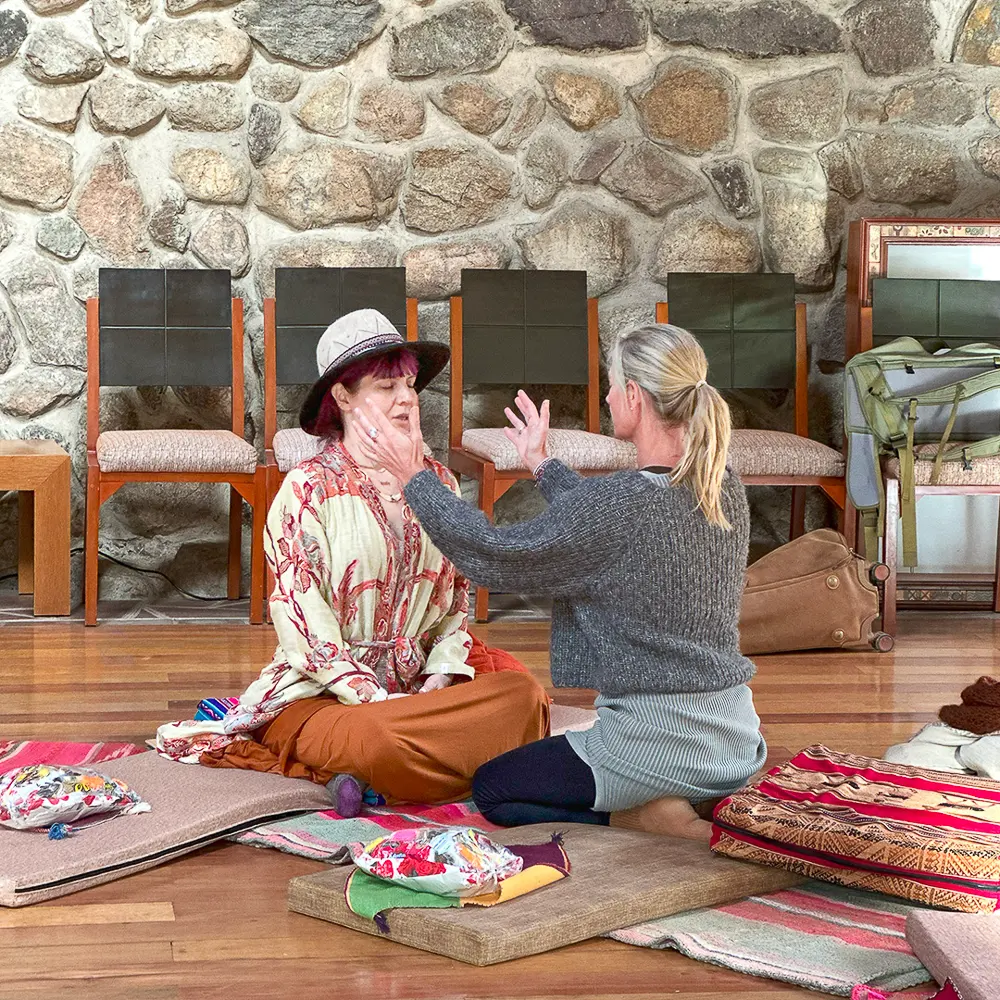
4. PARTICIPATE IN SACRED INTI RAYMI (JUNE)
If you can only experience one major ceremony, Inti Raymi is the one. Here’s what to know:
The Experience
The ceremony unfolds in three locations:
- Coricancha Temple (sunrise) — The greeting of the sun begins here with priests in traditional dress performing a salute. It’s intimate, powerful, and photogenic.
- Huacaypata (Central Plaza) — The Inca and the mayor of Cusco meet here. You’ll witness traditional music and dancing.
- Sacsayhuamán Fortress — This is where the main ceremony happens. Hundreds of actors in Inca attire recreate the original ritual. The “summoning of the sun” involves chanting, movement, and the sense that you’re participating in something ancient even though it’s a modern recreation.
Practical Details
- Best Time to Arrive: 6-7 AM for Coricancha, 10 AM for Sacsayhuamán
- What to Bring: Sunscreen, water, warm layer (it gets cold at that elevation early), camera
- Duration: 5-6 hours total
- Cost: Generally free to watch Coricancha and central plaza; paid tickets ($30-50 USD) for reserved seating at Sacsayhuamán
Pro Tip: Skip the expensive tour packages. Arrive early, stand with locals, and experience it authentically. The energy is better in the crowd than in a separate tourist section.
5. HONOR PACHAMAMA WITH ANDEAN OFFERINGS
One of the most accessible ceremonies for visitors is the Pachamama Offering (also called “mesa ritual” or “despacho“).
What Is a Pachamama Offering?
A Pachamama offering is a ritual where you give something valuable to the earth as a gesture of gratitude and reciprocity. It can include:
- Coca leaves
- Flowers (especially colorful carnations)
- Grains (rice, corn, wheat)
- Incense
- Alcohol (usually wine or sugarcane liquor)
- Candy
- Herbs
- Your own written intention or prayer
An Andean priest (Pako) or trained facilitator guides the ceremony, which typically lasts 2-3 hours.
How It Works
- Intention Setting — You clarify what you’re grateful for or what you’re asking for (healing, clarity, abundance, release)
- Gathering Items — You select items to include in the offering, each representing different elements and intentions
- The Ceremony — The facilitator arranges the items in a specific pattern, often on a cloth or piece of paper. Sacred songs and prayers are offered. The arrangement is burned, buried, or left at a sacred site.
- Integration — You sit with the experience, noticing any insights or shifts
Why It Matters
In Andean spirituality, you don’t ask without giving. The offering acknowledges that relationship. Many people report feeling a profound sense of relief, clarity, or connection after a genuine Pachamama ceremony—not because the ceremony “works” in a magical sense, but because the ritual focuses your intention and creates a container for genuine gratitude and vulnerability.
Where to Participate
Authentic Pachamama ceremonies are available through local shamans, spiritual retreat centers, and community leaders in Cusco. They can be customized for individuals or small groups.
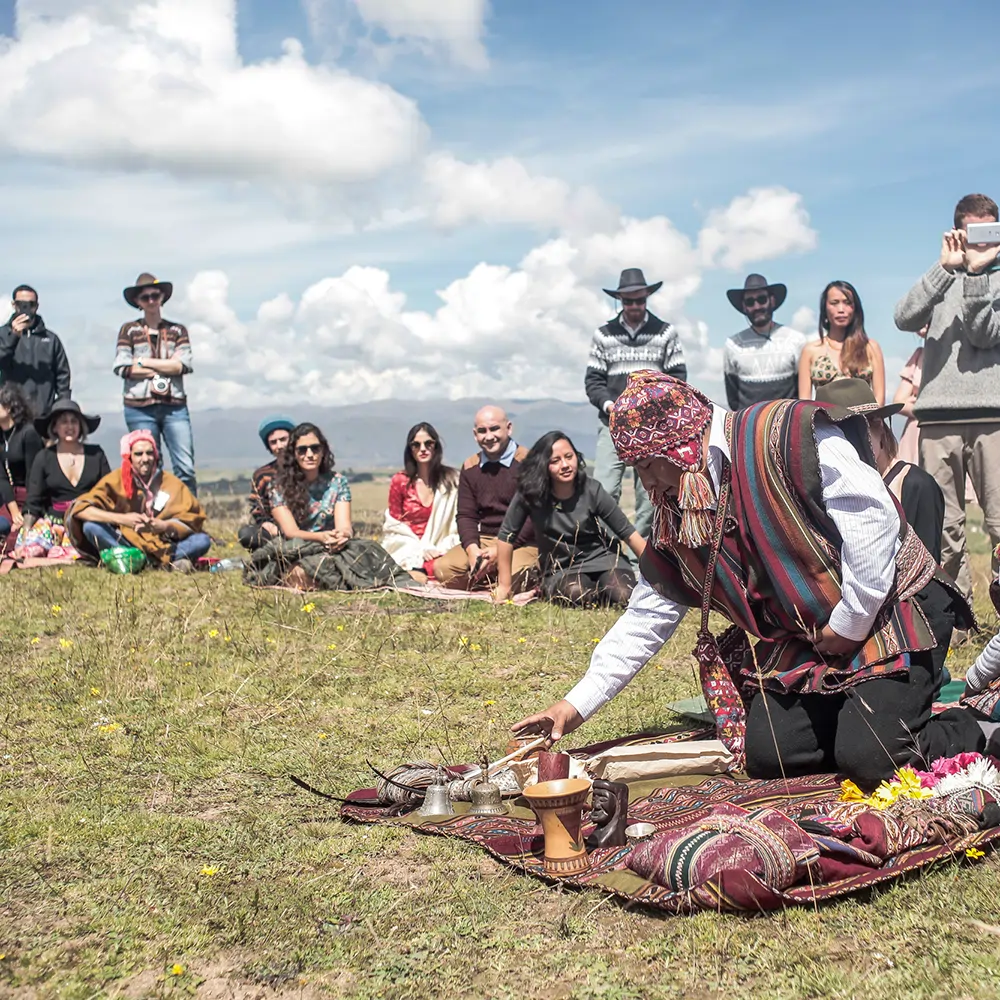
6. PLANT MEDICINE CEREMONIES: AYAHUASCA & SAN PEDRO
Among all ancestral ceremonies in Cusco, plant medicine rituals represent some of the most profound and challenging.
Ayahuasca: The Sacred Vine
- What it is: Ayahuasca is a plant-based medicine prepared from vines and other plants, traditionally used by indigenous peoples of the Amazon for healing and vision.
- How it’s used: Taken orally in a ceremonial setting, usually at night. Effects begin within 30-90 minutes and last 4-6 hours.
- What happens: Most people experience visual and emotional experiences—sometimes profound insights, sometimes difficult emotional processing, sometimes healing visions. It’s not a recreational drug; it’s a medicine.
- Why in Cusco: While ayahuasca originates in the Amazon, experienced facilitators now work in the Cusco/Sacred Valley area, usually at retreat centers located outside the city in more remote, energetically clean spaces.
San Pedro (Wachuma): The Heart Medicine
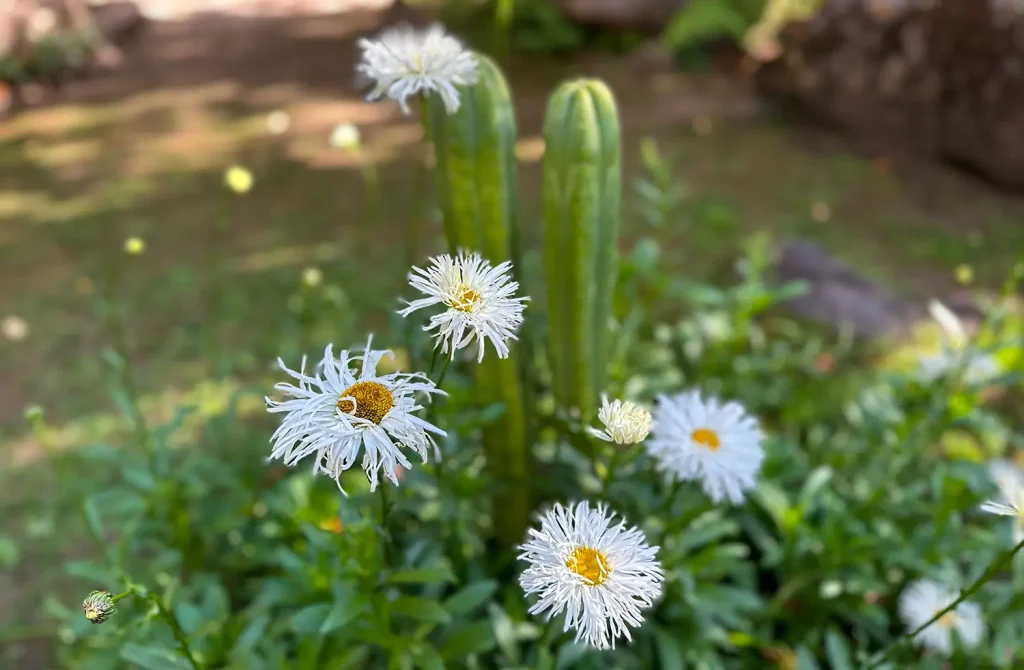
- What it is: San Pedro is a cactus indigenous to the Andes. It contains mescaline and is traditionally used for healing, divination, and spiritual opening.
- How it’s used: Prepared as a ceremonial drink, often consumed during the day (unlike ayahuasca). Effects last 8-12 hours.
- What happens: San Pedro is known for opening the heart and facilitating clear thinking. Many people describe it as gentler than ayahuasca, though still powerful. The experience often involves connection to nature, emotional opening, and clarity.
- Why in Cusco: San Pedro is native to the Andes, so ceremony with this plant in Cusco is deeply rooted in local tradition.
Important Considerations
Plant medicine ceremonies are not recreational. They require:
- Physical health screening — Certain medications and health conditions contraindicate these medicines
- Psychological readiness — You should be mentally prepared for intense experiences
- Integration support — After the ceremony, you need time and guidance to process what happened
- Respect for the medicine — These aren’t entertainment; they’re powerful tools used in genuine healing contexts
- Experienced facilitators — Working with trained shamans and medical professionals is non-negotiable
If you’re considering a plant medicine ceremony, work with an established retreat center that has proper medical screening, experienced facilitators, and integration support.
7. TRADITIONAL HEALING PRACTICES
Beyond major festivals and plant medicine ceremonies, Cusco hosts several traditional healing practices that count as ancestral ceremonies:
Coca Leaf Reading (Lectura de Coca)
A Pako or trained reader interprets coca leaves to gain insight into your situation, receive guidance, or understand blocked energy.
- How it works: You hold coca leaves while focusing on a question or situation. The reader interprets how the leaves fall—the patterns, the way they land, which leaves touch which others. It’s an ancient divination practice.
- Experience: 30-60 minutes. Deeply insightful for many people; it works best if you approach it with genuine curiosity rather than skepticism.
- Cost: $50-100 USD
Andean Massage & Energy Work
Traditional Andean healers use massage, energy work, and herbs to restore balance. These might involve:
- Pampering (energetic massage)
- Despacho blessing (energy clearing with ceremony)
- Herbal baths and plant medicine
Healing Rituals at Sacred Sites
Visiting sacred sites like Sacsayhuamán, temples, or caves with an experienced guide who understands the energetic and historical significance transforms the visit from tourism into ceremony. The guide facilitates a ritualized experience—meditations, offerings, prayers—that honors the site.
8. HOW TO PARTICIPATE IN CEREMONIES RESPECTFULLY
If you’re going to engage with ancestral ceremonies, do it well.
Do’s
✓ Approach with genuine respect
These aren’t entertainment or exotic experiences to consume. They’re sacred to the people who practice them. Cultivate genuine curiosity and reverence.
✓ Work with established facilitators
Choose retreat centers, shamans, or guides who have been working for years, have good reviews, are recognized by local communities, and have safety protocols.
✓ Prepare physically and mentally
If it’s a plant medicine ceremony, follow the diet guidelines beforehand. Clear your schedule afterward for integration. Do your own preparation work.
✓ Disclose relevant health information
Tell facilitators about medications, health conditions, psychological history. They need this to keep you safe.
✓ Participate fully
If you’re going to show up, show up. Don’t be the person on their phone during ceremony.
✓ Follow the facilitator’s guidance
They’ve done this hundreds of times. You haven’t. Listen.
Don’ts
✗ Treat it like a tourist attraction
Ceremonies aren’t photo ops. Many facilitators request no photography during sacred work.
✗ Go in drunk or high
You’re not mixing substances with ancestral practices. It’s disrespectful and dangerous.
✗ Have unrealistic expectations
You won’t necessarily have a blissful experience. You might cry. You might feel uncomfortable. That’s often where the healing is.
✗ Talk about other participants’ experiences
What happens in ceremony stays in ceremony. Confidentiality matters.
✗ Assume your experience is universal
Your neighbor might have a profound vision. You might feel peaceful. Someone else might feel nothing. All of it is valid.
✗ Stop taking medication
Unless a doctor says so, don’t change your psychiatric medications before ceremony. Tell the facilitator and let them advise.
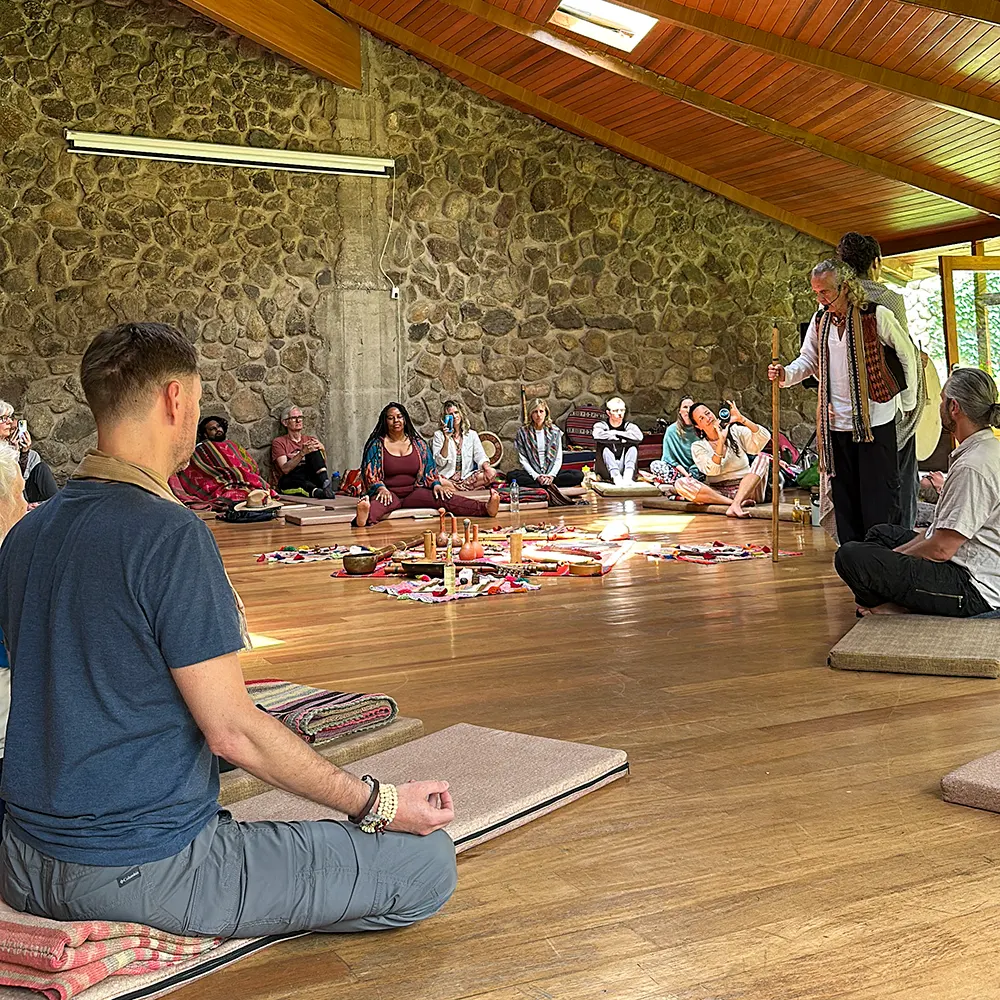
9. INTEGRATION AFTER CEREMONY
The ceremony itself isn’t the point. Integration is.
Integration means taking what happened during the ceremony—the insights, the shifts, the experiences—and actually embodying them in your daily life.
Without integration, a profound ceremony can fade within days. With integration, it becomes a pivot point in your life.
Integration Practices
Keep a journal
Write about the experience without filtering. Don’t worry about making it sound coherent. Let it be messy. Review your notes days and weeks later.
Notice changes
Pay attention to subtle shifts—patterns you handle differently, relationships that feel different, old triggers that don’t hit the same way.
Work with a mentor or therapist
Many people benefit from talking with someone trained in both psychology and spiritual work. They can help you understand what emerged and how to work with it.
Practice what you learned
If the ceremony highlighted a need to be gentler with yourself, practice that. If it showed you something about a relationship, take action. Make it real.
Connect with community
Retreats with groups create natural integration communities. Stay connected with people from your retreat. You’ll support each other’s process.
Don’t force it
Integration doesn’t happen on a timeline. Sometimes the deepest shifts take months to land.
10. PLAN YOUR SPIRITUAL JOURNEY TO CUSCO
Timing
- Best time for major festivals: June (Inti Raymi), August (Pachamama Raymi), September (Qoyllur Rit’i)
- Best time for ceremonies generally: May-October (dry season, easier travel and trekking)
- Consider: Altitude. Cusco is at 11,000 feet. Most people need 2-3 days to acclimatize.
Duration
- Weekend trip: Experience Inti Raymi or a single ceremony (not ideal for plant medicine)
- 1 week: Participate in a ceremony + explore Cusco and Sacred Valley
- 2 weeks: Include a retreat program + trekking + cultural immersion
- 30+ days: Deep healing work, multiple ceremonies, community connection
What to Pack
- Warm layers (Cusco is cool year-round)
- Sunscreen and hat
- Water bottle
- Comfortable walking shoes
- Journal
- Spiritual items if relevant (prayer shawl, mala beads, etc.)
- Medications in original containers
- Travel insurance that covers adventure activities
Getting There
- Fly into Lima, then connect to Cusco (45-minute flight)
- Or fly directly to Cusco if your airline offers it
- Allow 2-3 days for altitude acclimatization before intense ceremonies
Solo vs. Retreat
Go solo if you want maximum flexibility and like exploring independently.
Join a group retreat if you want:
- Pre-planned itineraries with experienced guides
- Community support before, during, and after ceremony
- Medical supervision and safety protocols
- Integration support
Both are valid. Group retreats offer more structure and safety; solo travel offers more freedom.
EXPERIENCE AUTHENTIC CEREMONIES WITH PUMADVENTURES
Reading about ancestral ceremonies is one thing. Participating in them—with experienced guides, in safe containers, with proper preparation and integration—is completely different.
At PumAdventures, we facilitate authentic engagements with Andean ceremonies. Our programs include:
Ceremony-Focused Retreats
Essence of Cusco (5 Days)
Experience Inti Raymi or seasonal ceremonies with the daily exploration of Cusco’s sacred sites and valleys. Ideal for first-timers wanting a balanced mix of ceremony and cultural immersion.
Pachamama Offering Ceremony (1-3 hours)
A standalone ceremony honoring Mother Earth. Available year-round for individuals or groups.
Coca Leaf Reading (1 hour)
Receive guidance through this ancient divination practice.
San Pedro (Wachuma) Ceremony (1 Day)
Heart-opening ceremony conducted by experienced shamans in the Sacred Valley.
Ayahuasca Retreats (1-2 Days)
Profound plant medicine work with medical screening, experienced facilitators, and integration support.
Andean Wedding Ceremony (1 Day)
Bless a marriage or commitment ceremony with authentic Andean traditions.
Extended Retreats
- Healing Peru (10 Days) — Multiple ceremony types, trekking, cultural experiences
- Spiritual Awakening Peru (14 Days) — Deep transformation work combining retreats, ceremonies, and treks
- Spiritualtrip Peru (11 Days) — Sacred sites, ceremonies, community connection
Why Choose PumAdventures
- Family lineage — Led by Puma and his family, rooted in 25+ years of work in Andean traditions
- Multiple medicine traditions — We facilitate ayahuasca, San Pedro, traditional ceremonies, and ancestral practices
- Integration focus — We don’t just facilitate ceremonies; we support your process afterward
- Certified and recognized — PromPeru official partner, ATTA member, Virtuoso Network
- Safety first — Medical screening, experienced facilitators, emergency protocols, psychological support
- Trek integration — Combine ceremony with treks to Machu Picchu or other sacred sites
- Authentic community — Work with indigenous shamans and facilitators who maintain these traditions
YOUR NEXT STEP
Ancestral ceremonies are invitations to deeper connection—with yourself, the earth, and something sacred that many people feel but few learn to access.
The question isn’t whether you believe in these practices. It’s whether you’re willing to show up authentically and see what happens.
Or have questions? Contact Us and let’s discuss which ceremony or retreat is right for your journey.
FAQ: ANCIENT CEREMONIES IN CUSCO
Do I have to be spiritual to participate in ceremonies?
Not at all. Many participants come from agnostic or atheist backgrounds. What matters is respect and openness, not belief.
Can children participate?
Some ceremonies, yes. Plant medicine ceremonies, no. Ask about family-friendly options when inquiring.
What if I don’t feel anything during ceremony?
Common and totally valid. Sometimes the work happens subtly. Sometimes your system needs more time. Don’t judge the experience.
Are these ceremonies safe?
Traditional ceremonies performed by experienced facilitators with proper medical screening are safe. Work with established centers with good reputations.
Can I take medication and still participate?
Depends on the medication and the ceremony. Always disclose to your facilitator. Most traditional ceremonies are fine with medications; plant medicine ceremonies have specific contraindications.
What if I experience something difficult during ceremony?
Experienced facilitators are trained in supporting challenging experiences. That’s part of why you work with professionals, not DIY.
How long does integration take?
It varies. Sometimes insights land immediately. Sometimes it takes weeks or months. Trust your pace.
Can I combine ceremony with trekking?
Absolutely. Many of our retreats combine ceremony work with trekking to Machu Picchu or other sacred sites. It’s a powerful combination.
What’s the difference between a ceremony and a retreat?
A ceremony is a single event (1-6 hours). A retreat is a multi-day program that may include ceremonies, teachings, community, meals, and lodging.
RESOURCES
- UNESCO Intangible Cultural Heritage: Qoyllur Rit’i
- Peruvian Ministry of Culture — Indigenous Traditions
TESTIMONIALS FROM OUR PARTICIPANTS
“Participating in Inti Raymi with PumAdventures changed how I understand spirituality. It wasn’t a performance—it was real. The guides helped me understand the deeper meaning while I experienced the ceremony fully.” — Sarah M., USA
“The Pachamama ceremony opened something in my heart I didn’t know was closed. I’ve never felt so connected to the earth.” — Michael K., Canada
“I was skeptical about plant medicine, but the safety protocols and support from the team made me feel secure. The experience was transformational.” — Elena R., Spain
BEGIN YOUR TRANSFORMATION
Ancestral ceremonies aren’t something you do once and forget. They’re doorways into a way of relating to life—to the earth, to yourself, to others—that many people spend their entire lives cultivating.
Your journey to Cusco can be a vacation. Or it can be the beginning of something that changes you.
The choice is yours.
Questions? Let’s talk.
📧 travel@pumadventures.com
📱 WhatsApp: +51 987 555 135