Spiritual Awakening with San Pedro (Wachuma): What It Really Feels Like
 By PumAdventures
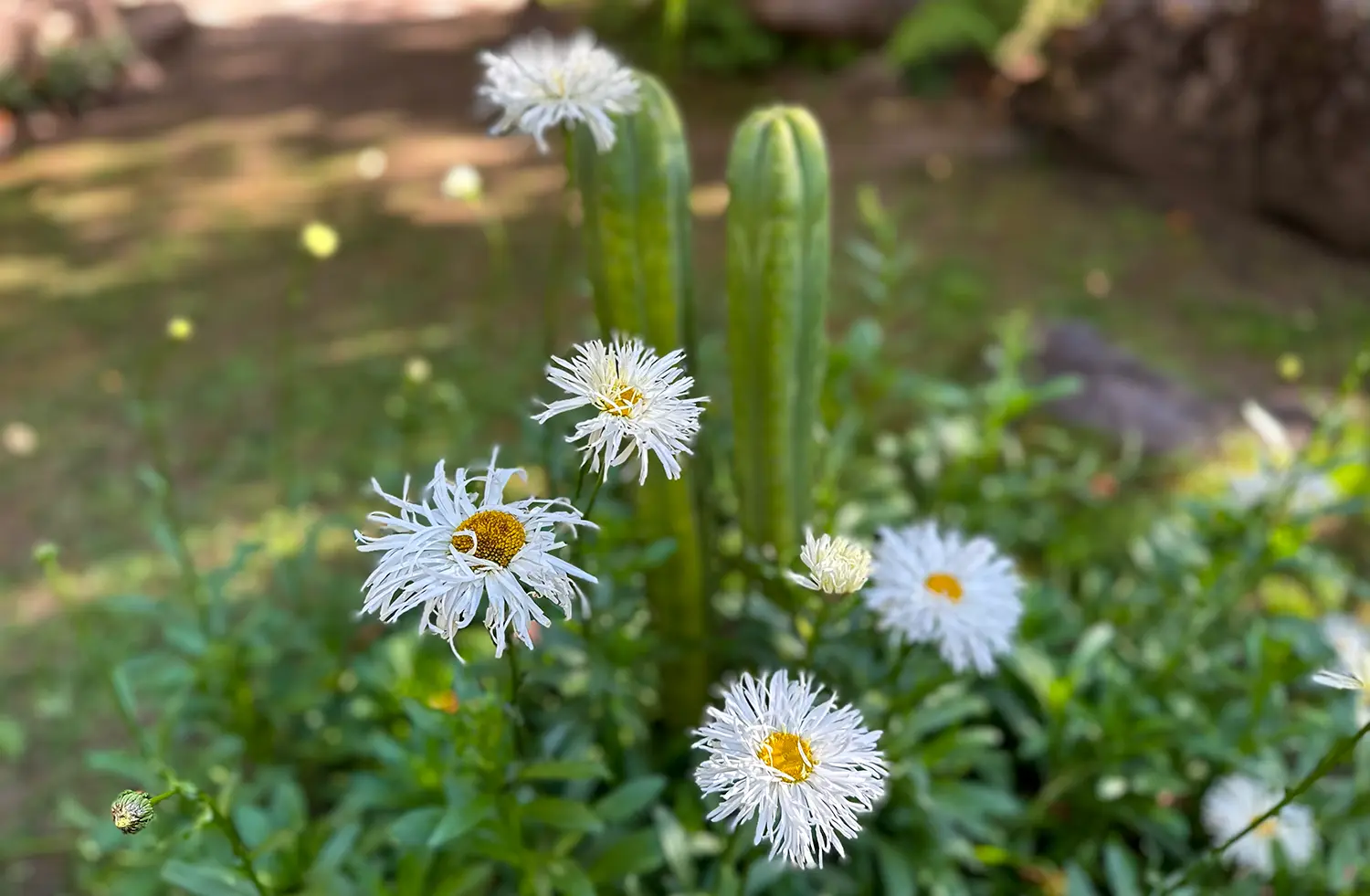
When you have a Spiritual awakening with San Pedro (Wachuma) also known as Wachuma it is usually a gentle experience, but it can be very profound. It helps you feel more grounded. At the same time, it can be very expansive. This experience is subtle. It can change your life.
San Pedro is different from plant medicines. Those medicines can give you visions inside your mind. Wachuma, which is the San Pedro cactus does something else. It opens your heart. Helps you feel less defensive about your emotions. You will feel more connected to nature to yourself and to your spirit. This all happens in a clear way.
What does it really feel like to have this experience?
We will try to explain what it is like in this guide. We will talk about the feelings, the emotions, the spiritual things you learn and how you can use these lessons in your life after the experience. We will focus on what it’s like to have a spiritual awakening, with Wachuma in the special Andes mountains of Cusco, Peru.
What Is Wachuma (San Pedro)?
Native to the Andes of Peru and Ecuador, San Pedro—also known as Wachuma—grows from the Echinopsis pachanoi cactus. It has been employed in Andean cosmology for healing, divination, and spiritual alignment for more than 3,000 years.
Experience a Sacred San Pedro Wachuma Ceremony in Cusco
A San Pedro Wachuma ceremony in Cusco is not just an experience — it is an invitation to reconnect with your heart, with nature, and with your authentic self.
Book Pedro Wachuma Ceremony in CuscoWhat Is San Pedro Wachuma?
The San Pedro cactus (Wachuma) is a revered medicinal plant from the Andes which embodies an extensive cultural history of spiritual connection to people.
Read ArticleUnlike more visionary plant remedies, Wachuma is commonly referred as:
- The Heart-Opening Medicine
- The Grandfather Spirit
- The Medicine of the Andes
Usually in natural settings—mountains, streams, holy valleys—where the link to Pachamama (Mother Earth) becomes part of the healing itself, it is usually taken in a holy ritual led by an expert Andean healer (paq’o or maestro).

What Does a Spiritual Awakening Mean in a Wachuma Ceremony?
A spiritual awakening is not necessarily fireworks, mystical beings, or dramatic revelations. With Wachuma, awakening is often described as:
- A return to authenticity
- A soft dissolving of emotional walls
- A deep remembering of who you are
- A sense of unity with nature and life
It is less about “leaving your body” and more about fully inhabiting it—fully feeling, fully seeing, fully loving.
Wachuma awakening is embodied spirituality.
The Full Journey: What It Really Feels Like (Stage by Stage)
Every ceremony is unique, but most Wachuma spiritual awakenings unfold in recognizable phases.
1. Stage 1: The Psychological Threshold — Before You Drink
Something powerful is already happening even before Wachuma makes its way to your mouth.
Preparation in a traditional Wachuma ceremony in Cusco is not just a symbol of decoration it is psychological alignment. The circle, the silence, the offering to Pachamama, and the invocation of the Apus (sacred mountain spirits) set the stage for a liminal space. You are no longer an everyday reality, but you are not yet in the medicine space either. You are at the threshold.
This threshold is significant as spiritual awakening with Wachuma is a relational one. The medicine does not dominate you it works with you. Your openness, your intention, your emotional sincerity have a direct impact on how deep your experience will be.
Many people at this point experience subtle yet impactful internal changes:
- Heightened self-awareness
- Nervous anticipation
- Emotional vulnerability
- A soft dismantling of social masks
It is not uncommon that we find out that conscious intention is rarely the way we come into life. Mere uttering inwardly, “I am ready to see the truth, ” can be at once unsettling and liberating.
This is the point when spiritual awakening commences the deliberate choice to move toward alignment.

Stage 2: The Somatic Activation — The Body Wakes Up
It is the body that gets awakened first when the San Pedro (Wachuma) cactus medicine begins to circulate through your system.
Wachuma is different in that it does not cause a sudden change in perception as other drugs do, but it acts very slowly. It is a deeply sensory experience. You don’t feel like you have been separated from your body, on the contrary, you feel much more in touch with the physical sensations.
Participants often report:
- A warmth radiating from the chest outward
- Subtle energetic movement in the hands or feet
- A feeling of expansion in the ribcage
- Enhanced sensitivity to temperature, wind, and touch
The body becomes intelligent in a new way. Muscles relax without sedation. Breathing deepens naturally. Posture adjusts spontaneously.
This somatic activation is critical. Many people live primarily in cognitive space — thinking, analyzing, planning. Wachuma gently shifts awareness into the heart and nervous system.
You begin to feel rather than analyze.
And in that shift, insight becomes experiential rather than conceptual.
Spiritual awakening with Wachuma is not abstract philosophy. It is cellular understanding.
Stage 3: Emotional Softening — The Dissolving of Inner Armor
One of the most defining aspects of a Wachuma spiritual experience is emotional disarmament.
As the medicine deepens, psychological defenses begin to soften. Patterns of self-protection that once felt necessary start to feel heavy and outdated.
You may notice:
- Tears emerging without narrative
- Memories surfacing without emotional overwhelm
- Compassion arising toward people you once resented
- A sudden understanding of your parents’ humanity
- A desire to forgive yourself
Unlike reopening old wounds, the release of emotions here is frequently helped by a sense of steadiness. You are not overwhelmed by the feelings you allow them to be present in an accepting way.
The heart loosens its defenses.
A good number of participants say that this step is the most life, changing because it changes one’s sense of self. Instead of being the one who must always guard, control, or prove, you come to see your true self as naturally deserving and united.
This emotional re, tuning is the basis of spiritual awakening with San Pedro.
It doesn’t involve a massive release of emotions.
It is profound emotional harmony.

Stage 4: Unity with Nature — The Collapse of Separation
In a Wachuma ceremony in the Sacred Valley, nature is not background scenery. It becomes relational.
As perception refines, the boundaries between “self” and “environment” soften. You may find yourself looking at a mountain and feeling that it is looking back. Sitting beside a tree may feel like sitting beside an elder.
This is not hallucination in the clinical sense. It is relational awareness expanding.
You begin to sense that consciousness is not confined to the human mind.
Common realizations include:
- The Earth is not an object but a living system
- You are not separate from ecosystems
- The body mirrors natural cycles
- Your anxiety feels smaller in vast landscapes
For many modern individuals who feel isolated from nature, this reconnection can be profoundly healing. The nervous system recalibrates when it perceives belonging.
Spiritual awakening with Wachuma often feels ecological. It dissolves the illusion that you are alone in a mechanical universe.
Instead, you feel embedded in a living network of intelligence.
This is why experiencing a San Pedro ceremony in Peru, especially in the Andes, intensifies the awakening. The landscape carries ancestral memory and symbolic power.
The mountains — the Apus — are not metaphor. They are energetic presences within Andean cosmology.
And during Wachuma, that cosmology feels tangible.
Stage 5: Mental Clarity — Insight Without Chaos
A surprising element of the Wachuma heart-opening experience is mental lucidity.
Unlike visionary medicines that produce rapid symbolic imagery, Wachuma often quiets mental noise. Thoughts slow down. Internal commentary decreases.
In that silence, clarity emerges.
You may experience:
- Sudden understanding of recurring relationship dynamics
- Clarity about career direction
- Recognition of self-sabotaging behaviors
- Insight into childhood conditioning
The key difference is how the insight feels.
It does not feel forced or overwhelming.
It feels obvious.
Many participants say:
“I always knew this, but now I finally understand it.”
This is the difference between intellectual knowledge and embodied realization.
Spiritual awakening here is not new information — it is alignment between mind and heart.
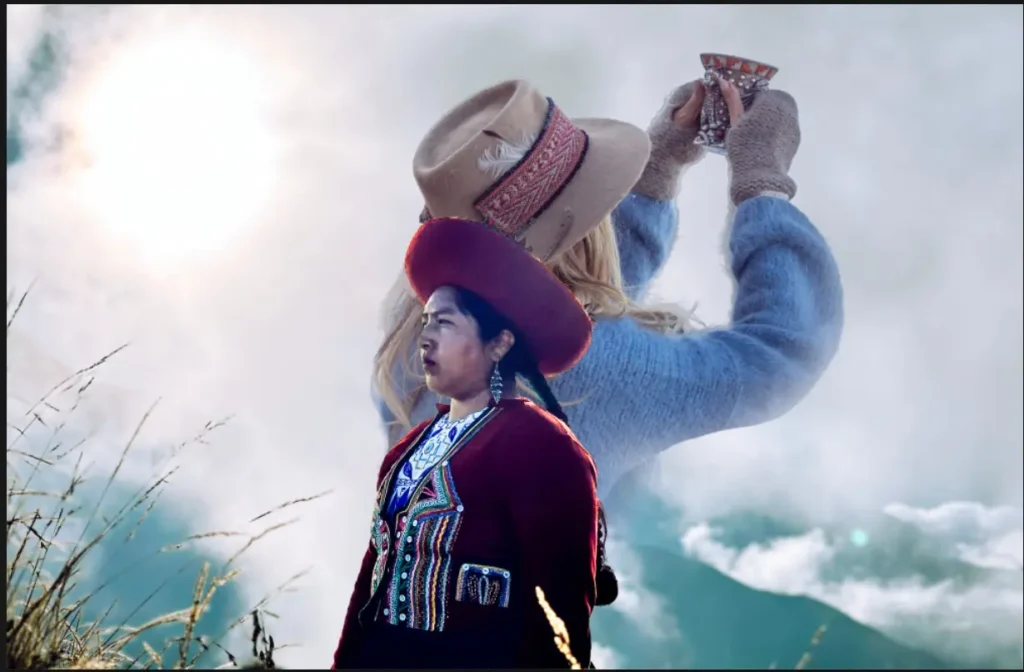
Stage 6: Ego Softening — Identity Becomes Flexible
Wachuma rarely produces complete ego dissolution. Instead, it softens identity rigidity.
You remain aware of who you are, but your attachment to fixed narratives loosens.
You may see:
- Where pride has prevented vulnerability
- Where fear has dictated decisions
- Where identity has been built on survival rather than authenticity
Importantly, this realization is not accompanied by shame.
Wachuma’s teaching style is compassionate.
It shows you your patterns while simultaneously showing you that you are more than those patterns.
This is why many people describe San Pedro as a “grandfather spirit.” It teaches firmly but gently.
Ego softening creates psychological flexibility — a core component of long-term transformation.
Stage 7: The Experience of Unconditional Love
Perhaps the most frequently reported aspect of spiritual awakening with Wachuma is unconditional love.
This love is not euphoric or dramatic. It is steady and expansive.
You may feel:
- Love for strangers
- Love for your younger self
- Love for aspects of your life you previously rejected
- Love that is not dependent on outcome
Neurologically, this may correspond with increased empathy pathways and reduced defensive activity in the brain.
Spiritually, it feels like remembering your inherent wholeness.
For many participants, this is the moment when fear dissolves.
Not because life becomes predictable — but because trust replaces control.
Stage 8: Sacred Stillness — Integration Begins Within the Ceremony
As the peak softens, a deep state of stillness often emerges.
You may sit in silence for long periods. The landscape feels vast yet intimate. There is no urgency.
This stillness is not emptiness.
It is fullness without agitation.
Many participants describe this stage as:
- Feeling complete
- Feeling aligned
- Feeling deeply peaceful
- Feeling grounded in something larger than personal narrative
This phase is critical because it demonstrates that awakening is not stimulation.
It is equilibrium.
The ceremony may last 8–12 hours.
But the internal shift that occurs during this sacred stillness can redefine how you relate to life long after returning home.

The Neuroscience Behind Wachuma Spiritual Awakening
Wachuma contains mescaline, a naturally occurring psychedelic compound.
Mescaline primarily interacts with serotonin receptors, influencing:
- Mood regulation
- Emotional processing
- Sensory perception
- Cognitive flexibility
Research suggests that psychedelic experiences can:
- Reduce rigid thought patterns
- Increase neuroplasticity
- Enhance emotional empathy
- Decrease default mode network dominance
This may explain why participants feel:
- Less self-judgment
- More openness
- Reduced anxiety
- Increased clarity
The “awakening” is not only spiritual — it is neurological recalibration.
Wachuma vs Ayahuasca: Different Gateways to Awakening
Many seekers ask about the difference.
| Wachuma (San Pedro) | Ayahuasca |
| Daytime ceremony | Night ceremony |
| Nature-centered | Inner visionary |
| Gentle and steady | Intense and fast |
| Heart-focused | Deep psychological purge |
| Clear and grounded | Often overwhelming |
Wachuma feels like sunlight.
Ayahuasca can feel like a storm.
Both are powerful. They simply open different doors.
Why Experience Wachuma in Cusco?
A Wachuma ceremony in Cusco offers unique depth because:
- The Andes are the plant’s ancestral homeland
- The Apus (mountain spirits) are central to Andean spirituality
- Traditional lineages are preserved here
- The Sacred Valley provides energetic isolation from modern noise
Many participants report that the land itself amplifies the awakening.
It does not feel commercial.
It feels ancestral.

Is Wachuma Always Blissful?
No.
While gentle, Wachuma can still bring:
- Emotional release
- Temporary discomfort
- Truth that challenges identity
- Vulnerability
Spiritual awakening is not constant bliss.
It is alignment.
Sometimes alignment requires discomfort.
The difference is that Wachuma rarely overwhelms. It supports.
Long-Term Effects of a Wachuma Spiritual Awakening
The ceremony lasts 8–12 hours.
The awakening can last a lifetime.
Common long-term shifts include:
Emotional
- Increased emotional intelligence
- Reduced reactivity
- Greater self-acceptance
Relational
- Healthier boundaries
- More authentic communication
- Greater compassion
Spiritual
- Deeper connection to nature
- Less fear of death
- Expanded sense of purpose
Many describe it as returning home to themselves.
Integration: Turning Insight into Transformation
Integration determines whether the awakening becomes permanent.
Recommended practices:
- Journaling your insights
- Spending time in nature
- Limiting digital overload
- Practicing breathwork or meditation
- Therapy or integration circles
Without integration, the experience fades into memory.
With integration, it becomes identity.
Who Is Called to Wachuma?
You may feel drawn if:
- You seek heart healing
- You feel disconnected from nature
- You prefer gentle transformation
- You want clarity without chaos
- You resonate with Andean spirituality
Wachuma does not demand surrender through intensity.
It invites surrender through love.
Are You Ready for a Wachuma Ceremony in Cusco?
If you feel called to experience a San Pedro ceremony in Peru, choose a retreat that prioritizes:
- Medical screening
- Experienced facilitators
- Small groups
- Ethical sourcing
- Integration support
A true spiritual awakening is not about escaping life. It is about returning to it — more open, more aware, and more aligned than ever before.